Five Days in Marrakech: From Medina Magic to Atlas Mountains
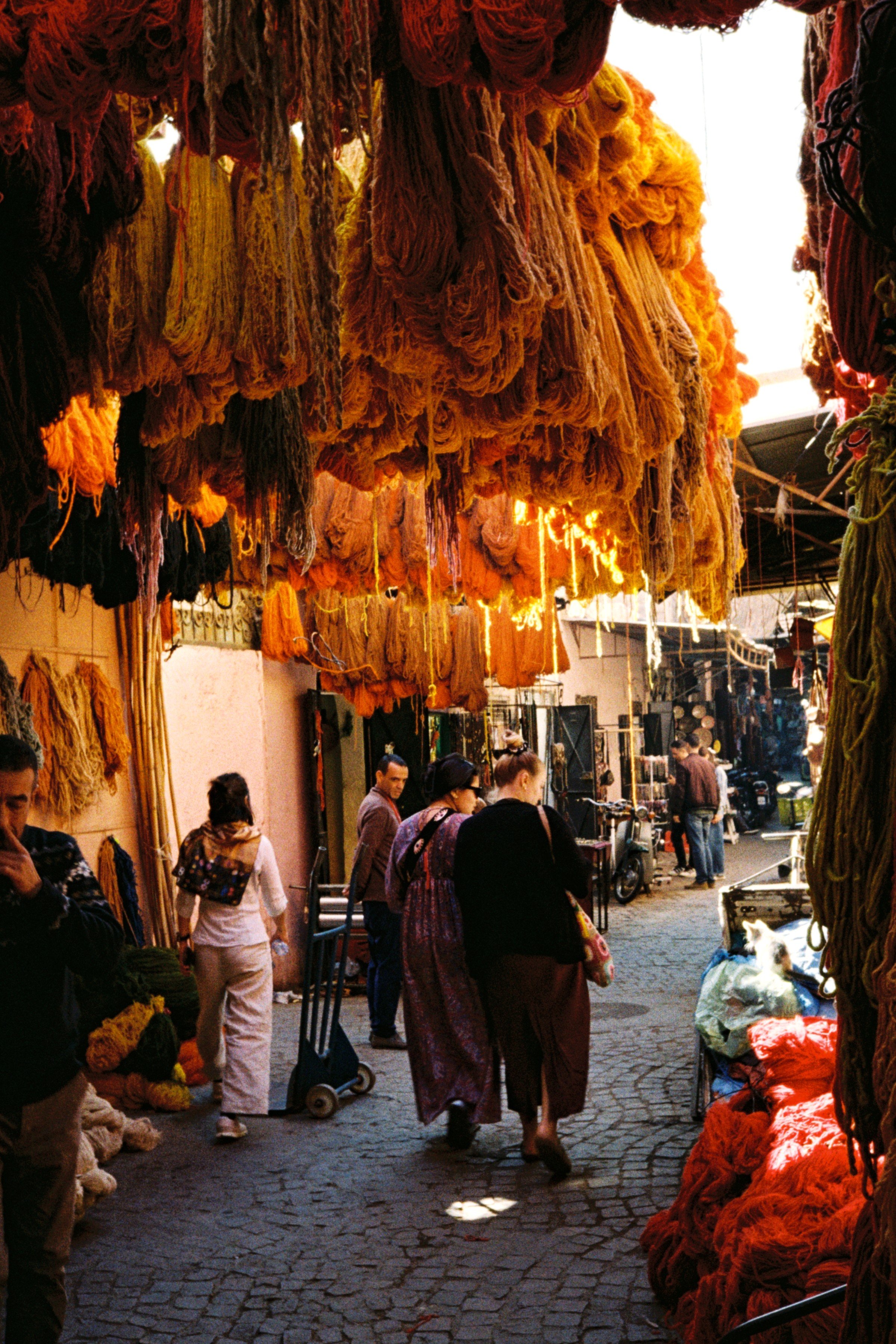
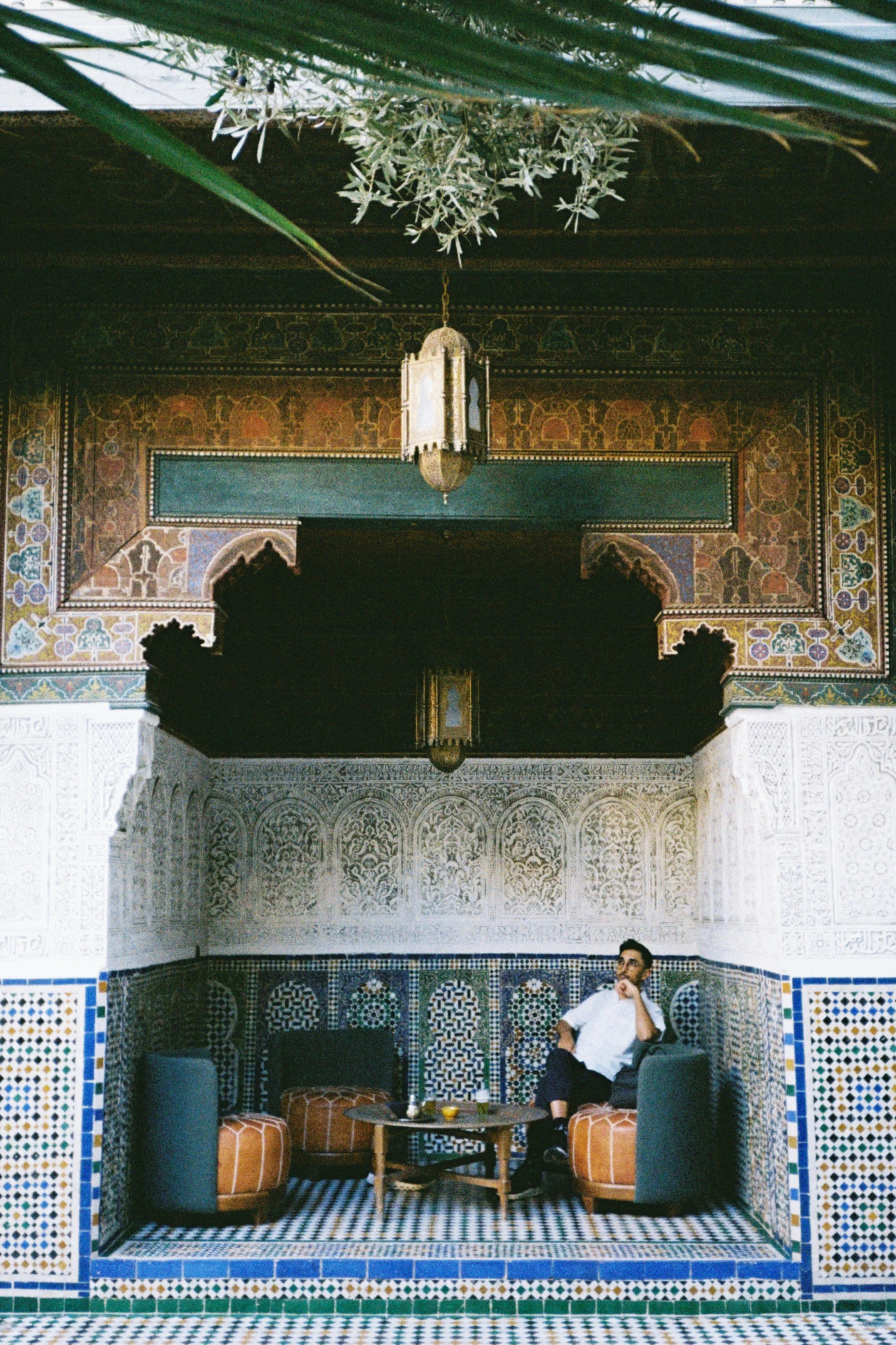
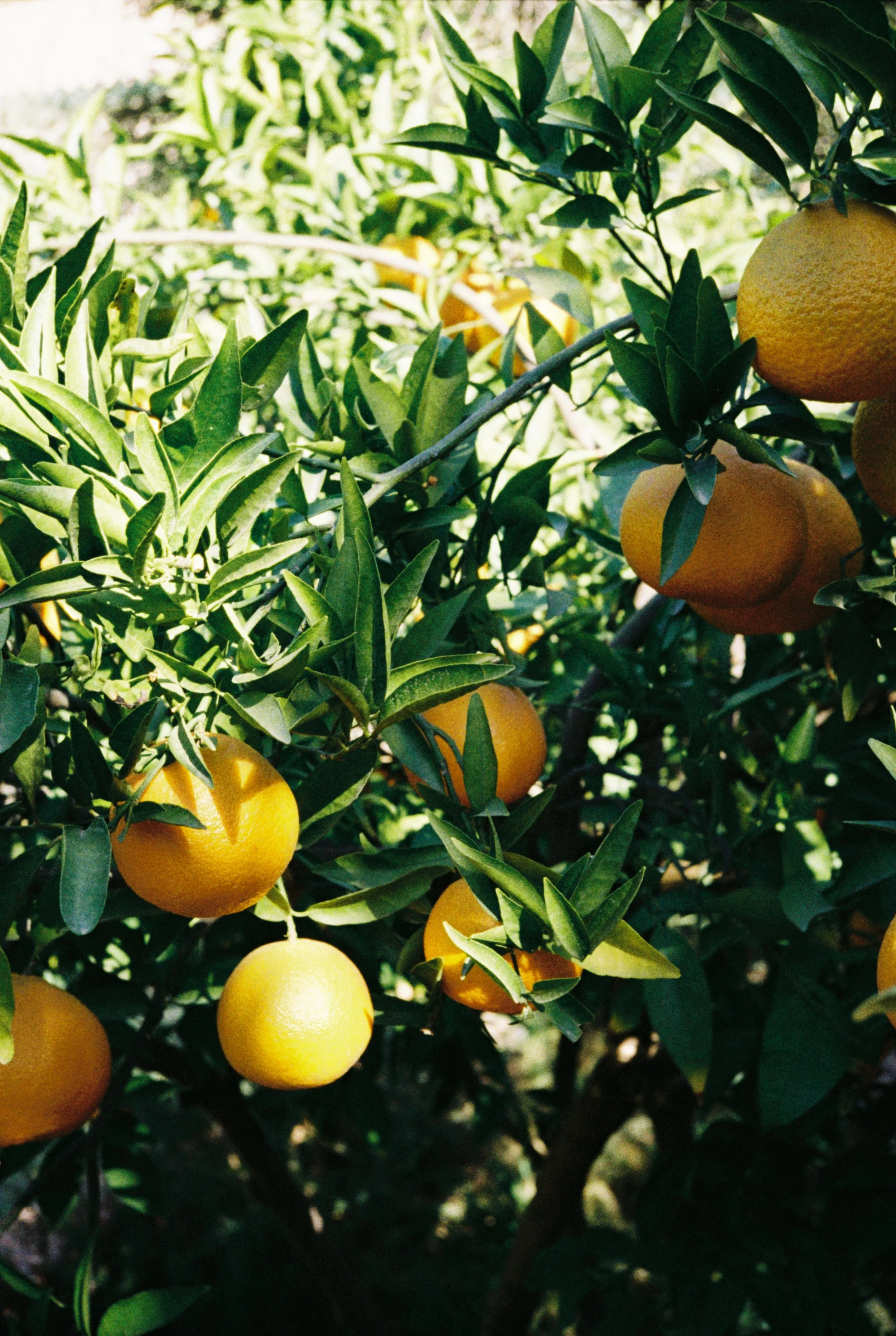
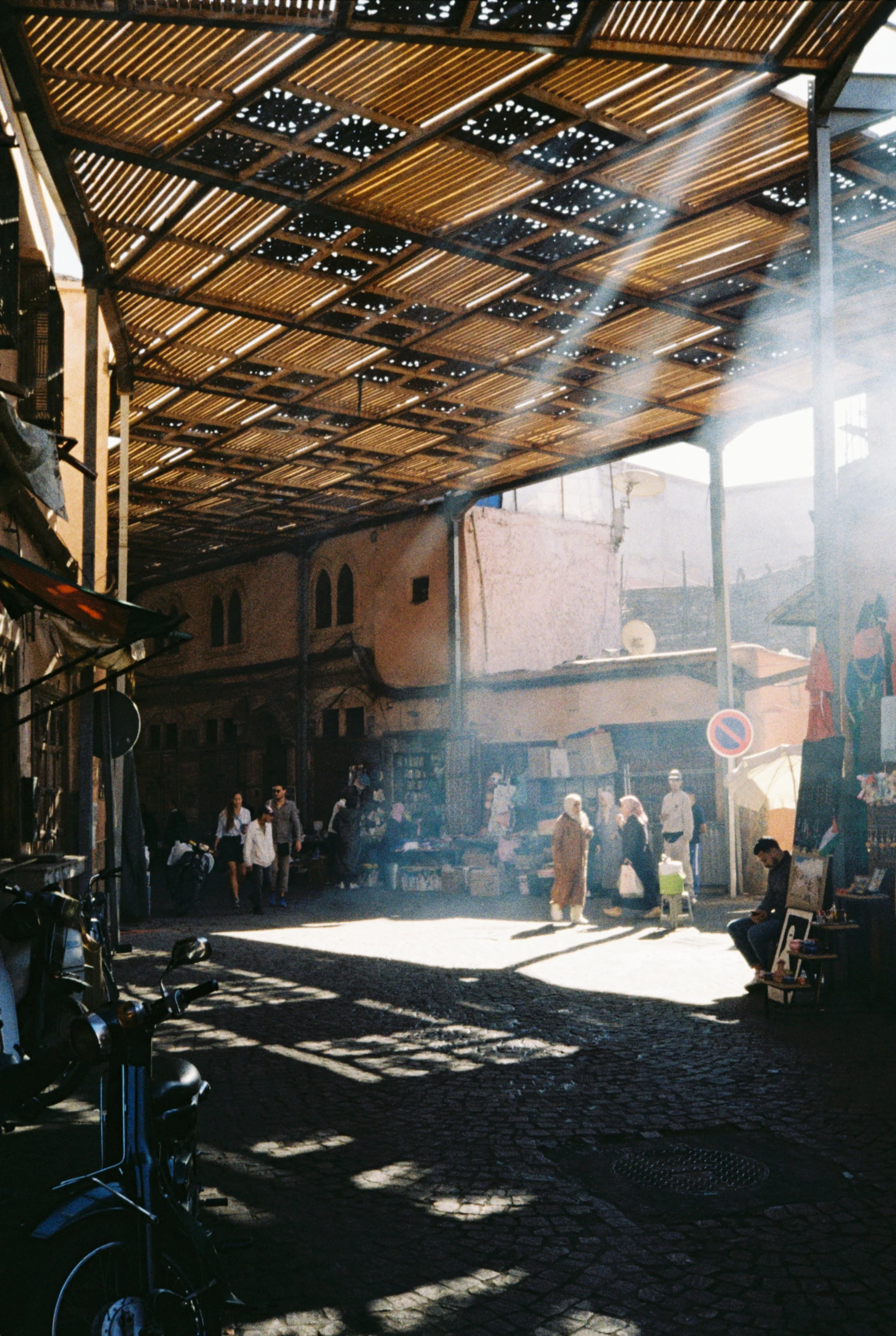
Marrakech isn’t a place that tiptoes into your imagination — it arrives with colour, scent, and sound, wrapped in a kind of energy that feels older than memory. We had heard so much about the city before our visit: that the medina was overwhelming, the souks chaotic, the pace relentless. And yet, when we finally arrived, it felt surprisingly manageable — busy, yes, but not the sensory storm we had prepared for. Instead, we were met with a city of contrasts: intensity softened by quiet riads, pockets of calm found in places where mint tea steamed gently in the afternoon light, and landscapes that opened out into a desert stillness that stayed with us long after we left.
Over five days, Marrakech revealed itself slowly. It became a place where small rituals — like ducking into a teahouse for a moment of shade and a pot of something fragrant — anchored our experience amid the swirl of spices, colours, and mountain roads. And between the medina’s maze-like alleys and the endless horizons of the Atlas, we found a rhythm that felt both vivid and deeply grounding.
Day 1: Arrival & First Impressions
Our flight touched down in Marrakech just before noon, and by 11:50 we were stepping out into the warm North African air. We’d pre-booked a driver through the riad, keen to skip the airport taxi negotiations, and sure enough he was waiting for us in the arrivals hall — a gentle, stress-free welcome to the city.
Riad Smara was our first glimpse of Marrakech’s hidden worlds. Outside: the hum of scooters, narrow lanes, and the layered soundtrack of the medina. Inside: calm. A courtyard garden. Soft light. We were greeted by the friendly receptionist who brewed us a pot of mint tea before showing us our room. We dropped off our bags, took a moment, and then headed back out in search of lunch.
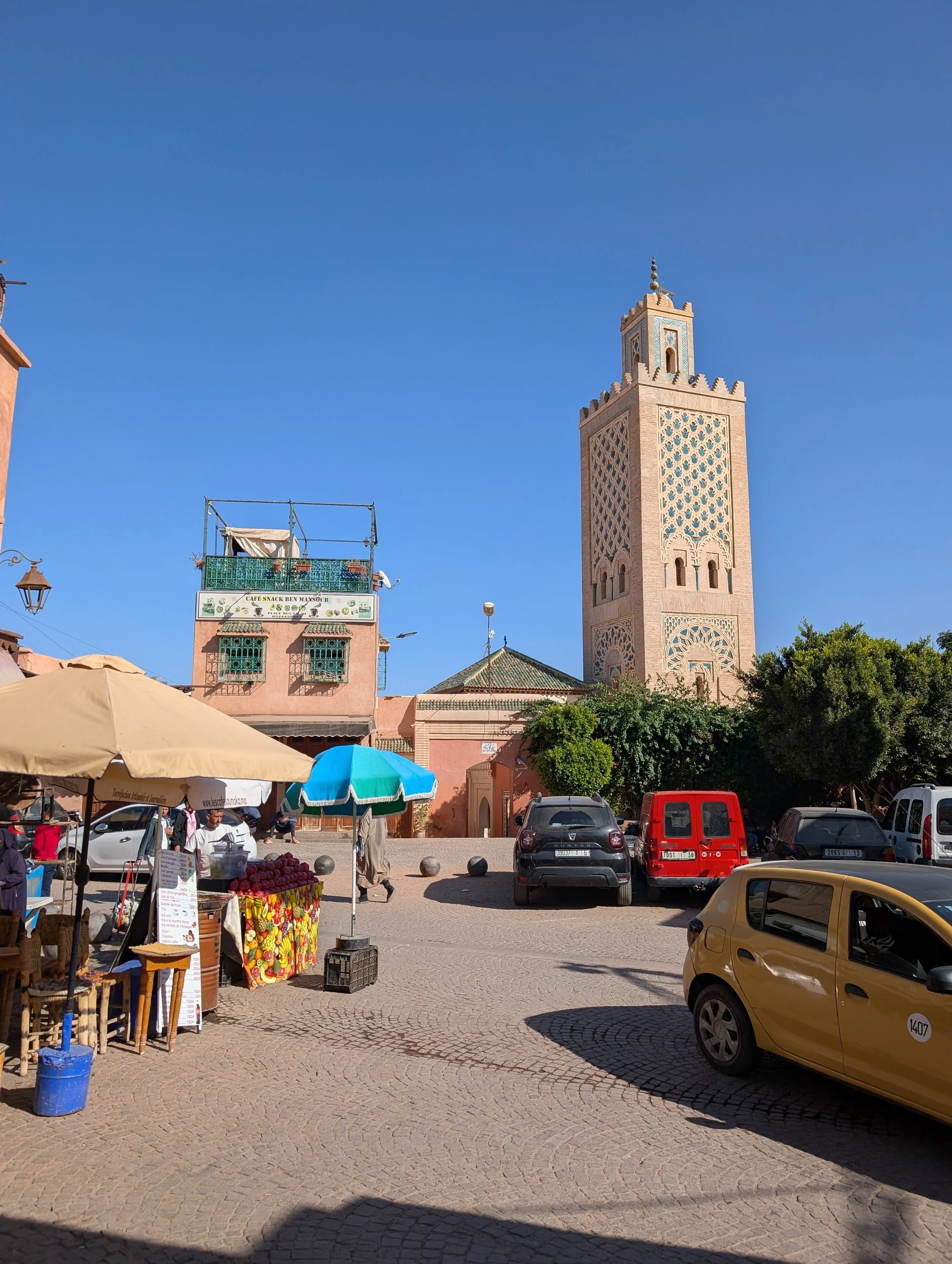
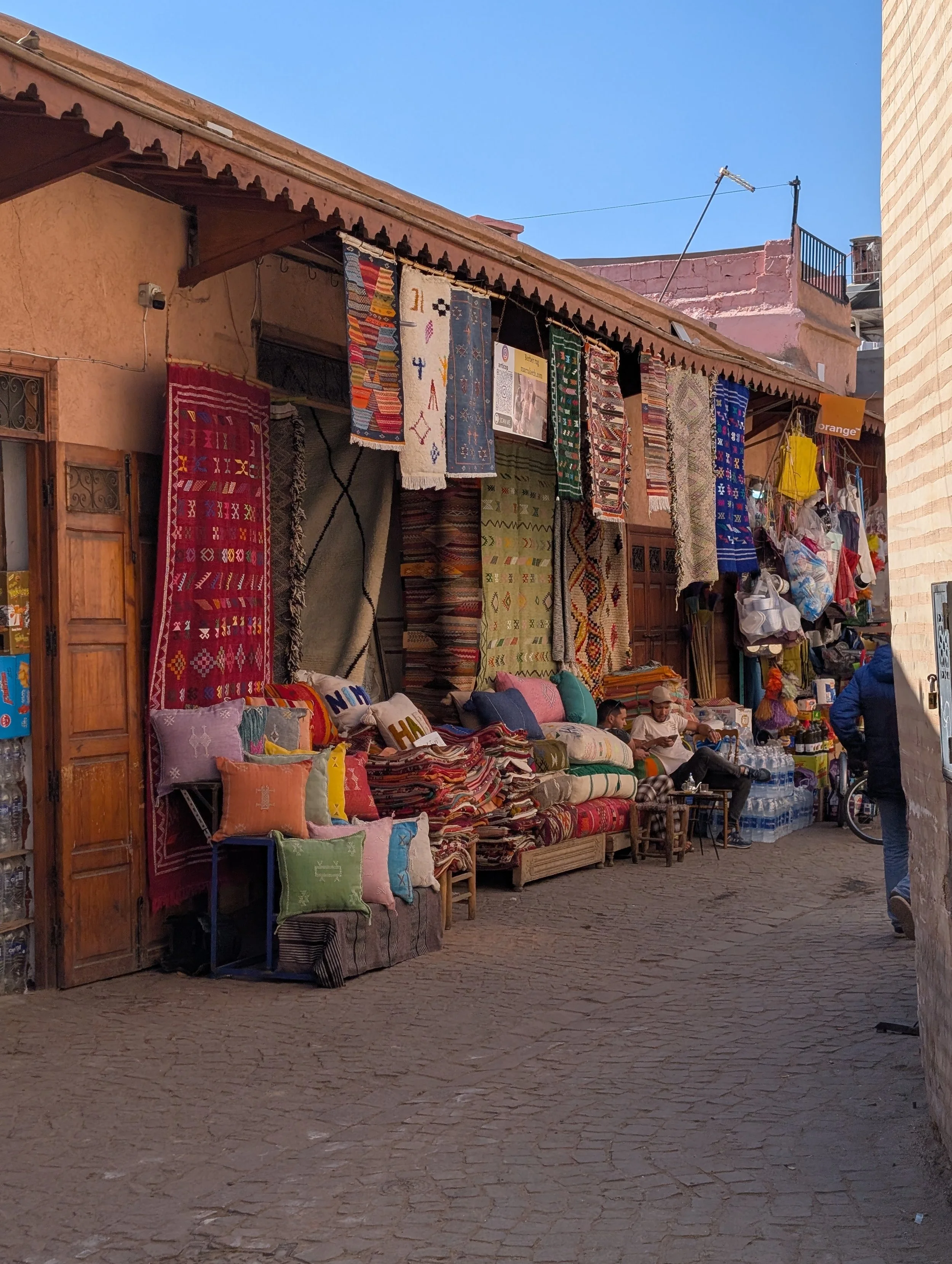
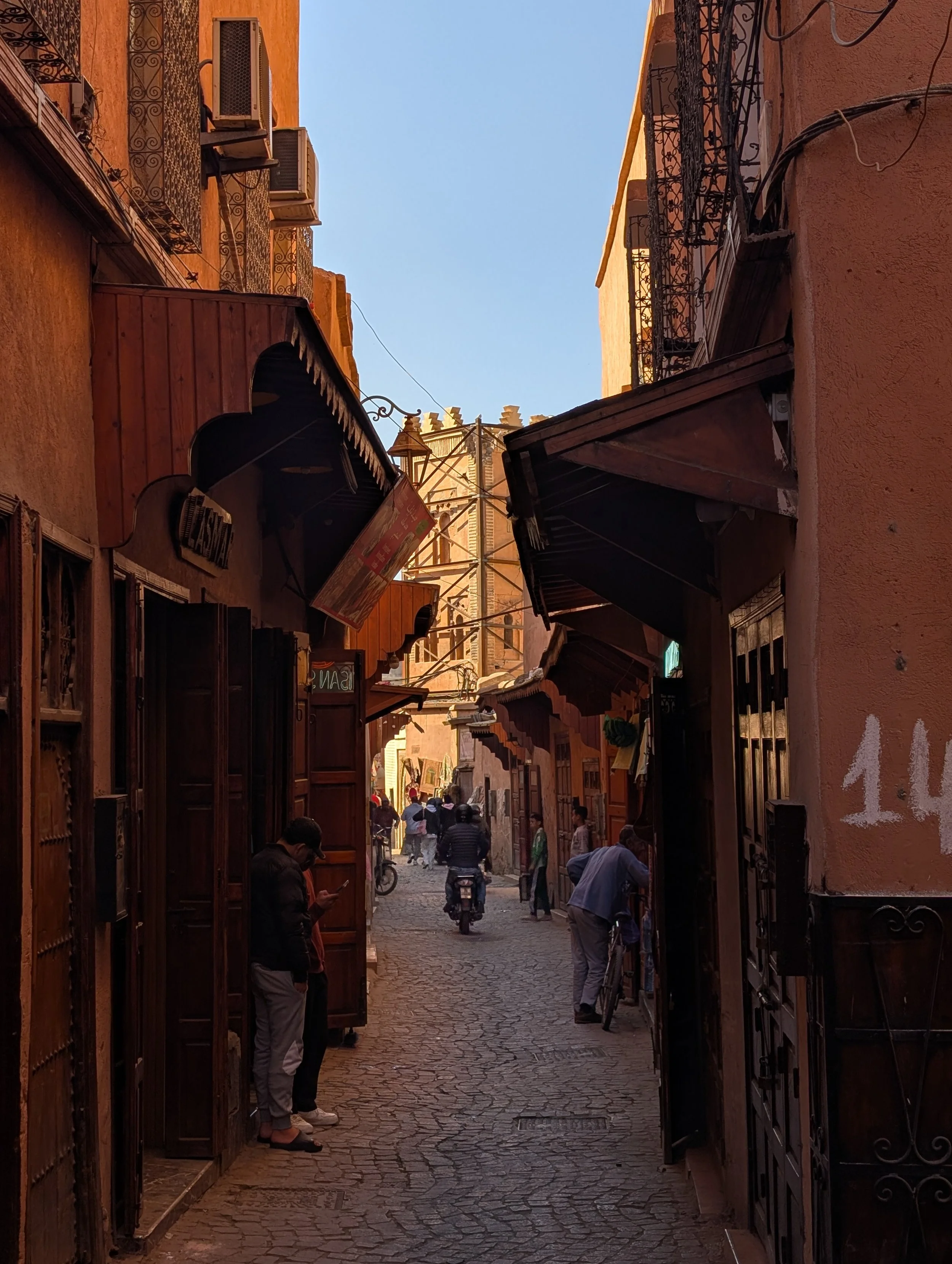
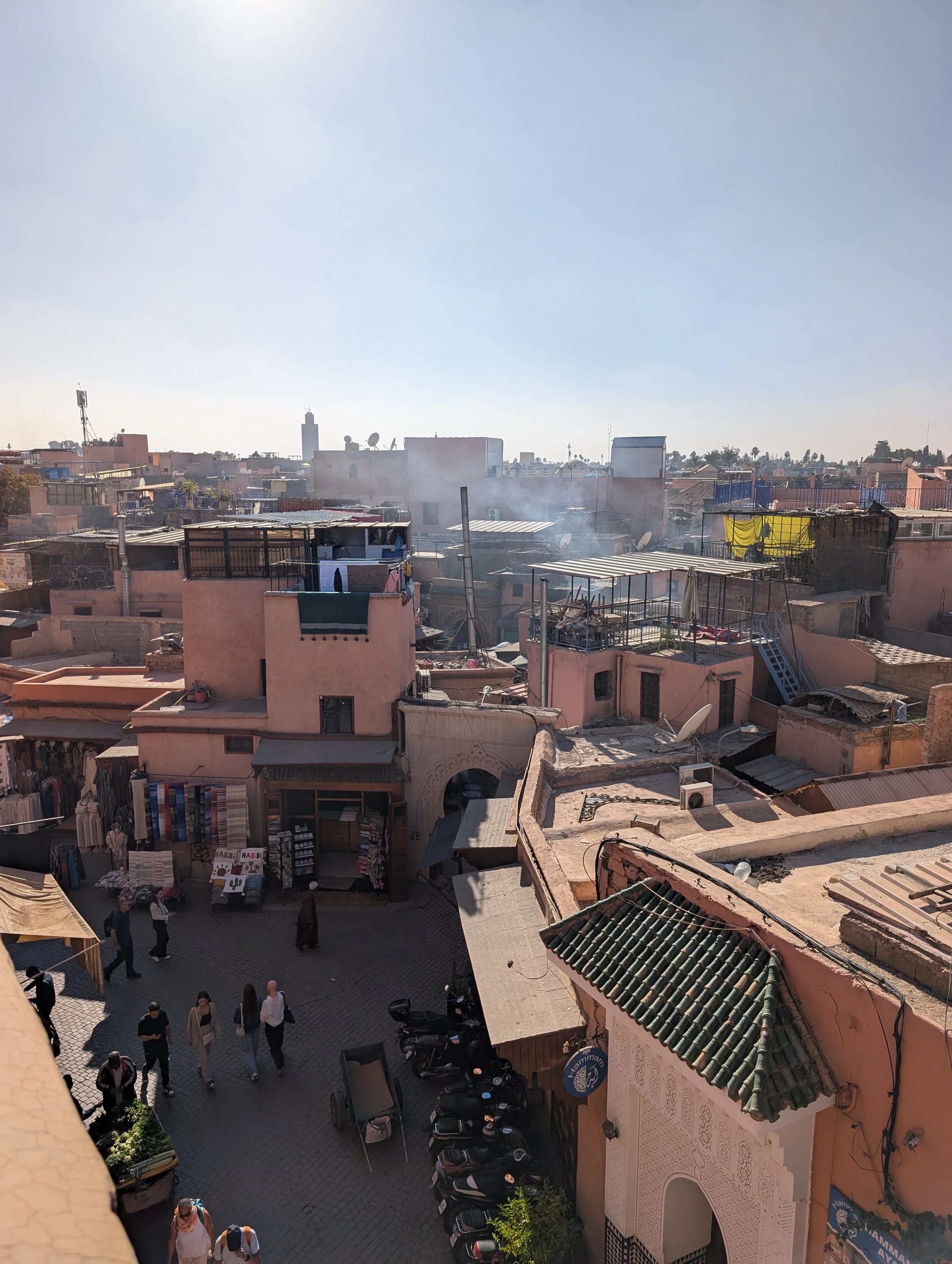
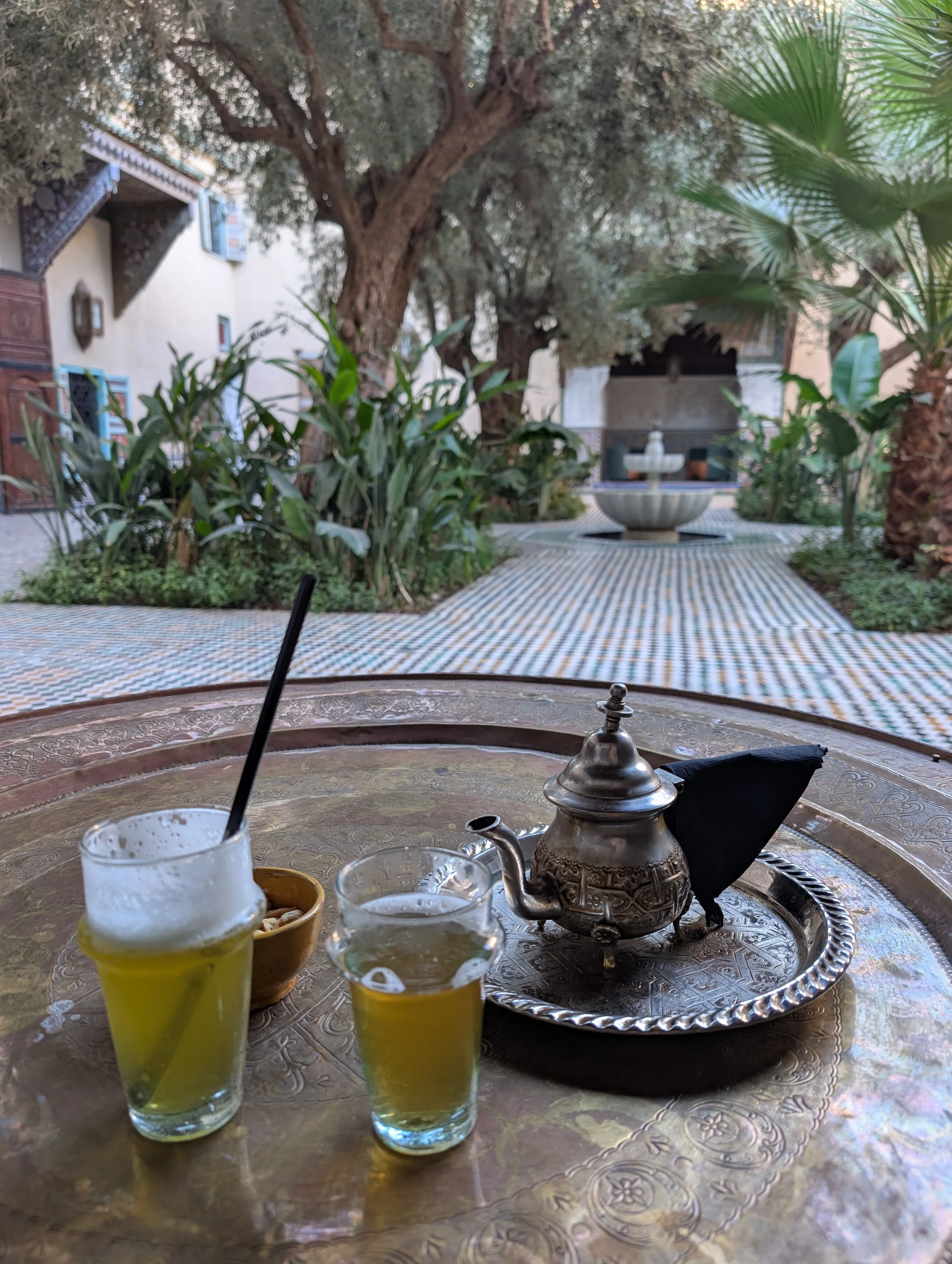
For this trip, we wanted more of an analogue experience, so we didn’t have any phone data. Somehow, we still managed to find our way to 1112 Marrakech, however, and discovered what would become one of our absolute favourite places in the city. Nestled right in the heart of the medina, it was hard to believe such a peaceful oasis of a teahouse could exist so close to the crowds. We tried their “regional teas paired with regional dishes” menu — my husband choosing the Fes-Meknes selection, and I going for the Marrakech-Safi. Everything was flavourful, balanced, and beautifully presented. It set the tone for our trip: tea, tranquillity, and Moroccan hospitality at its best.

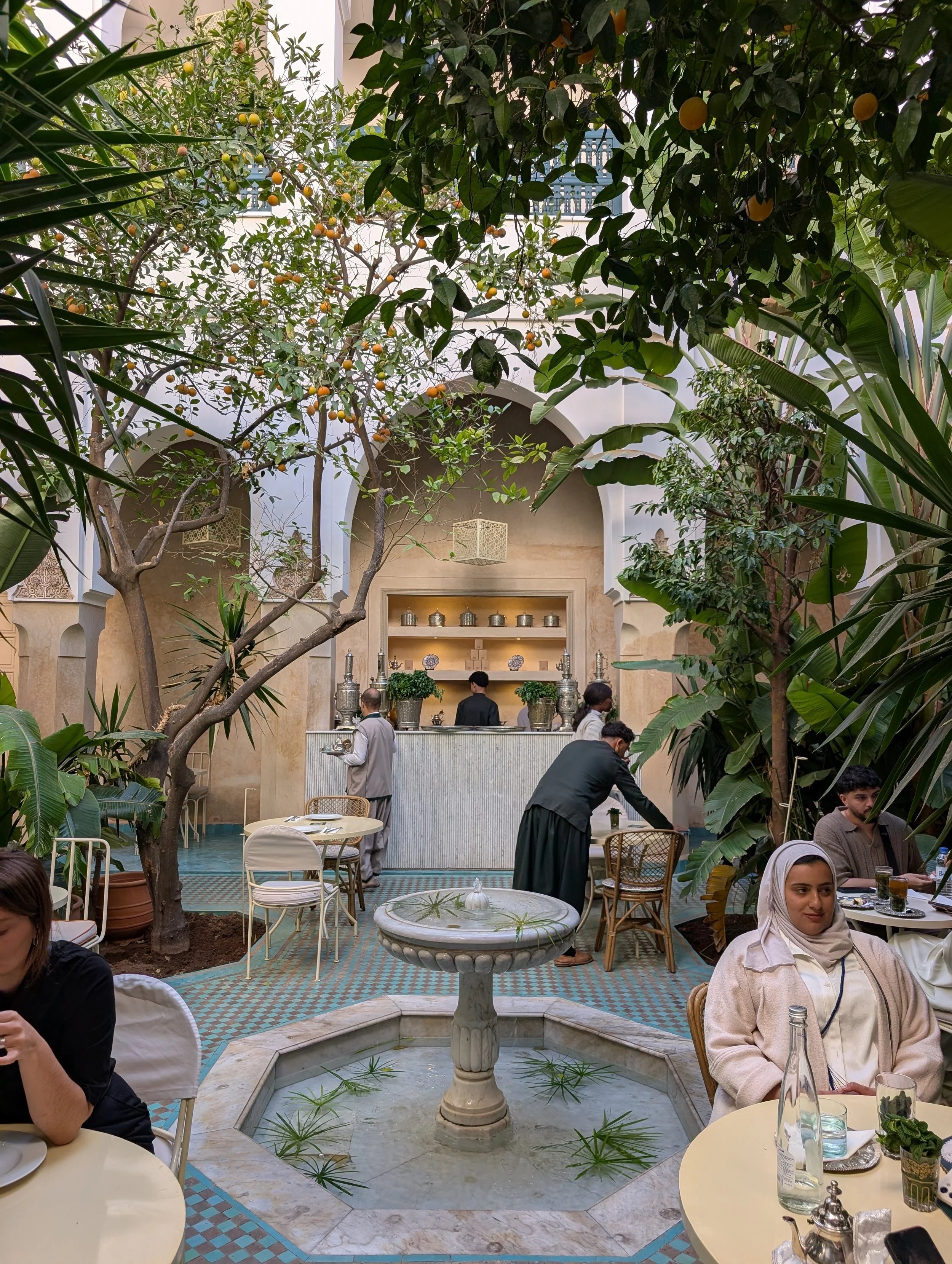
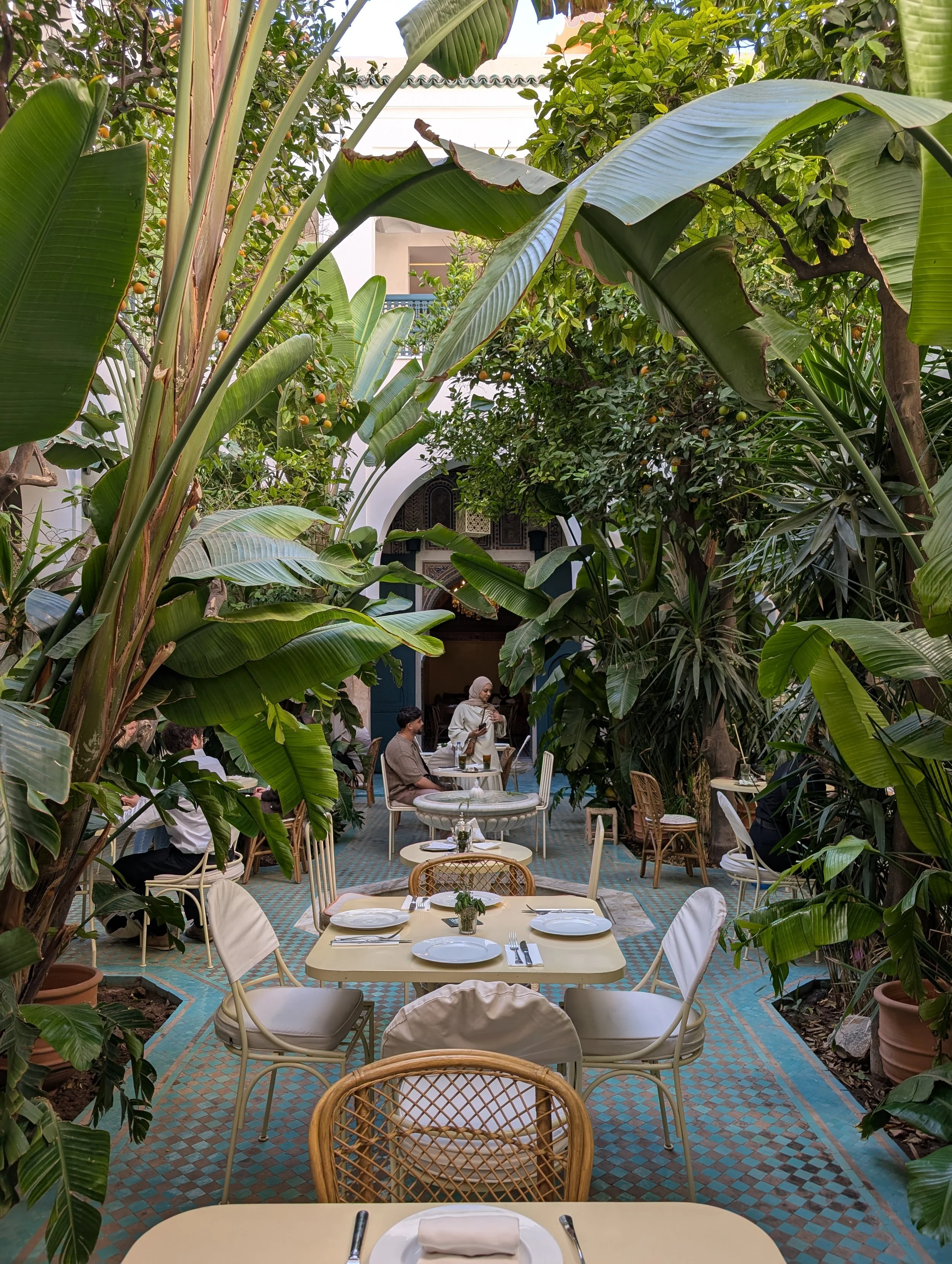
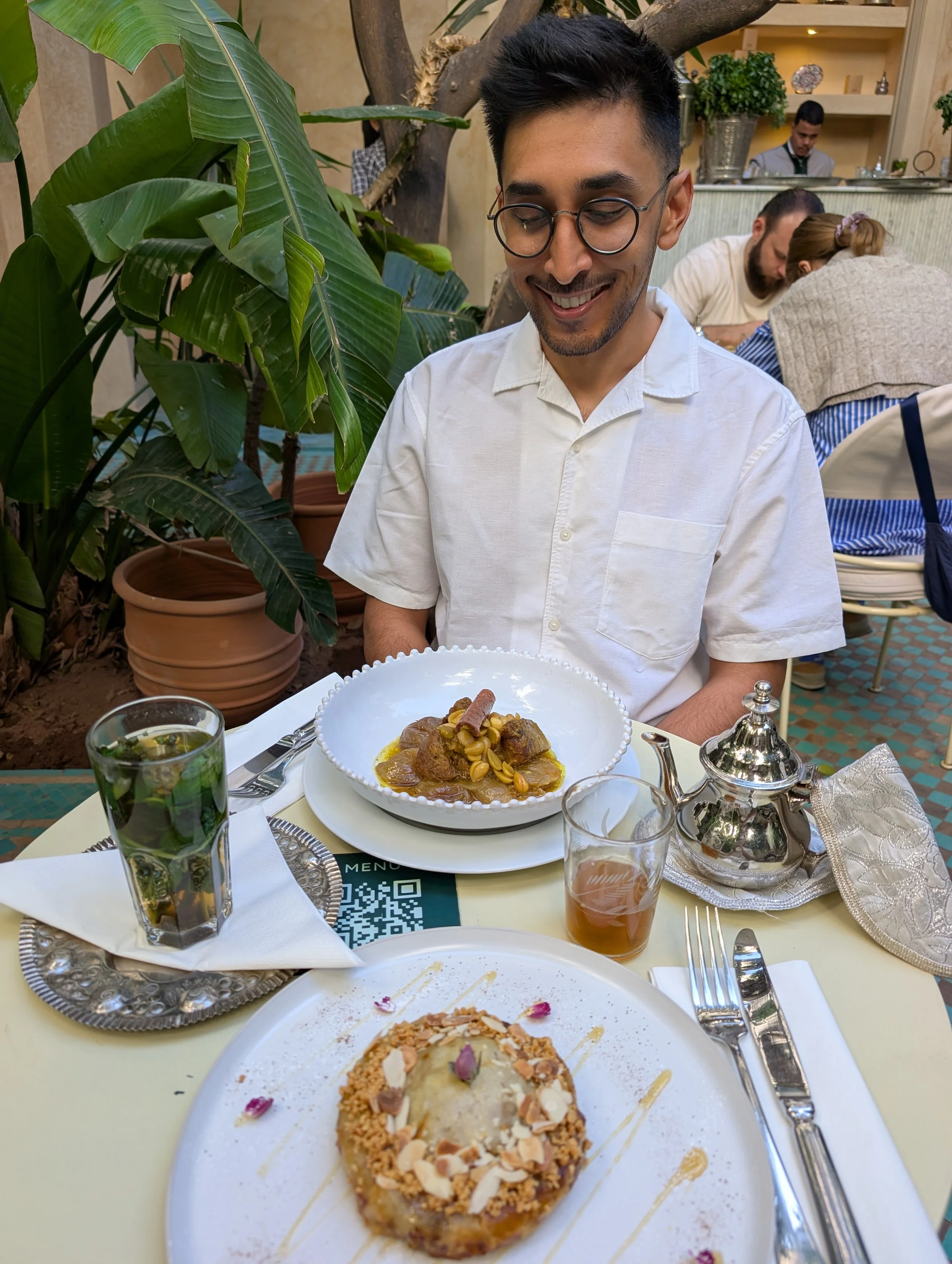
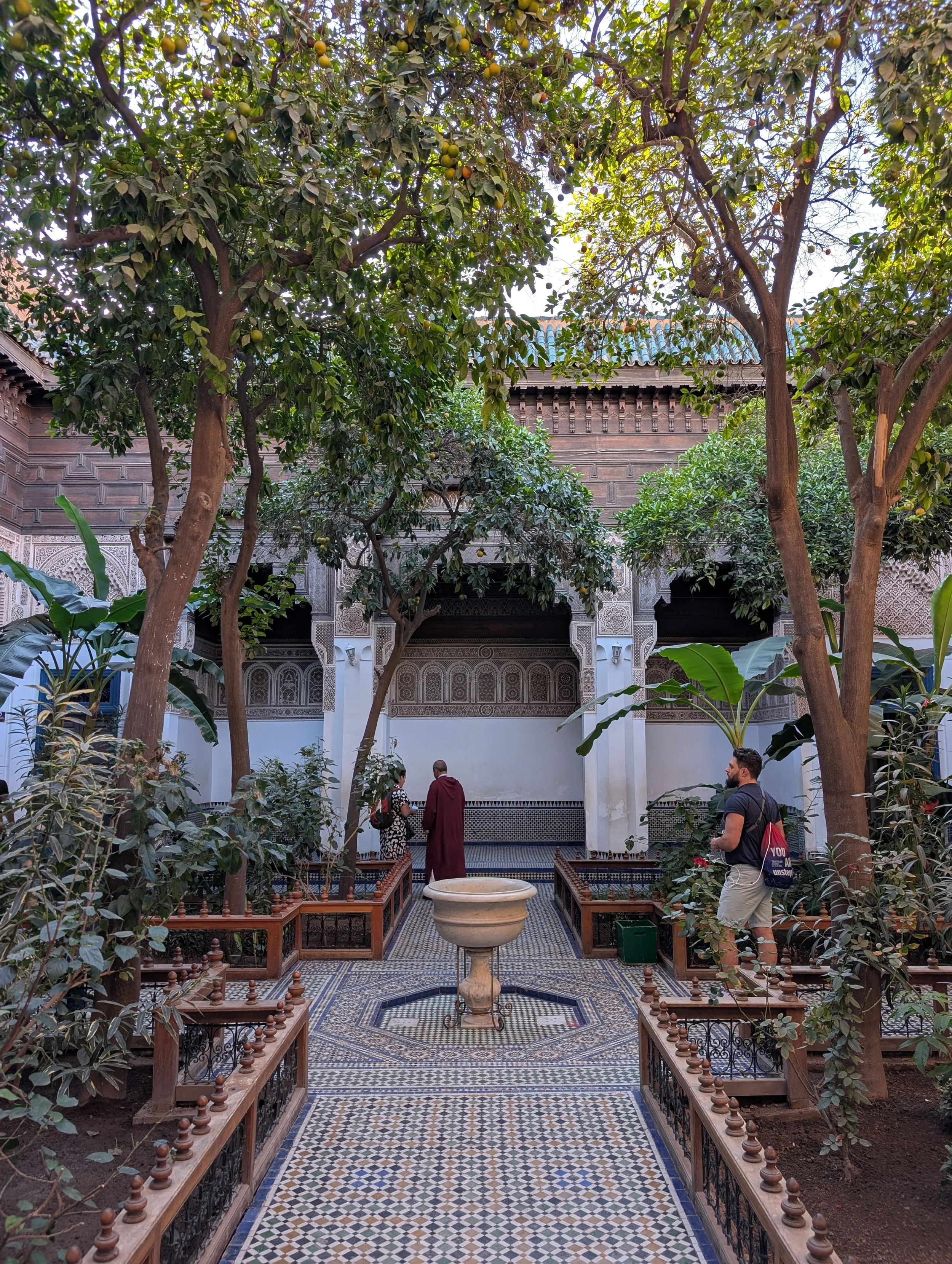
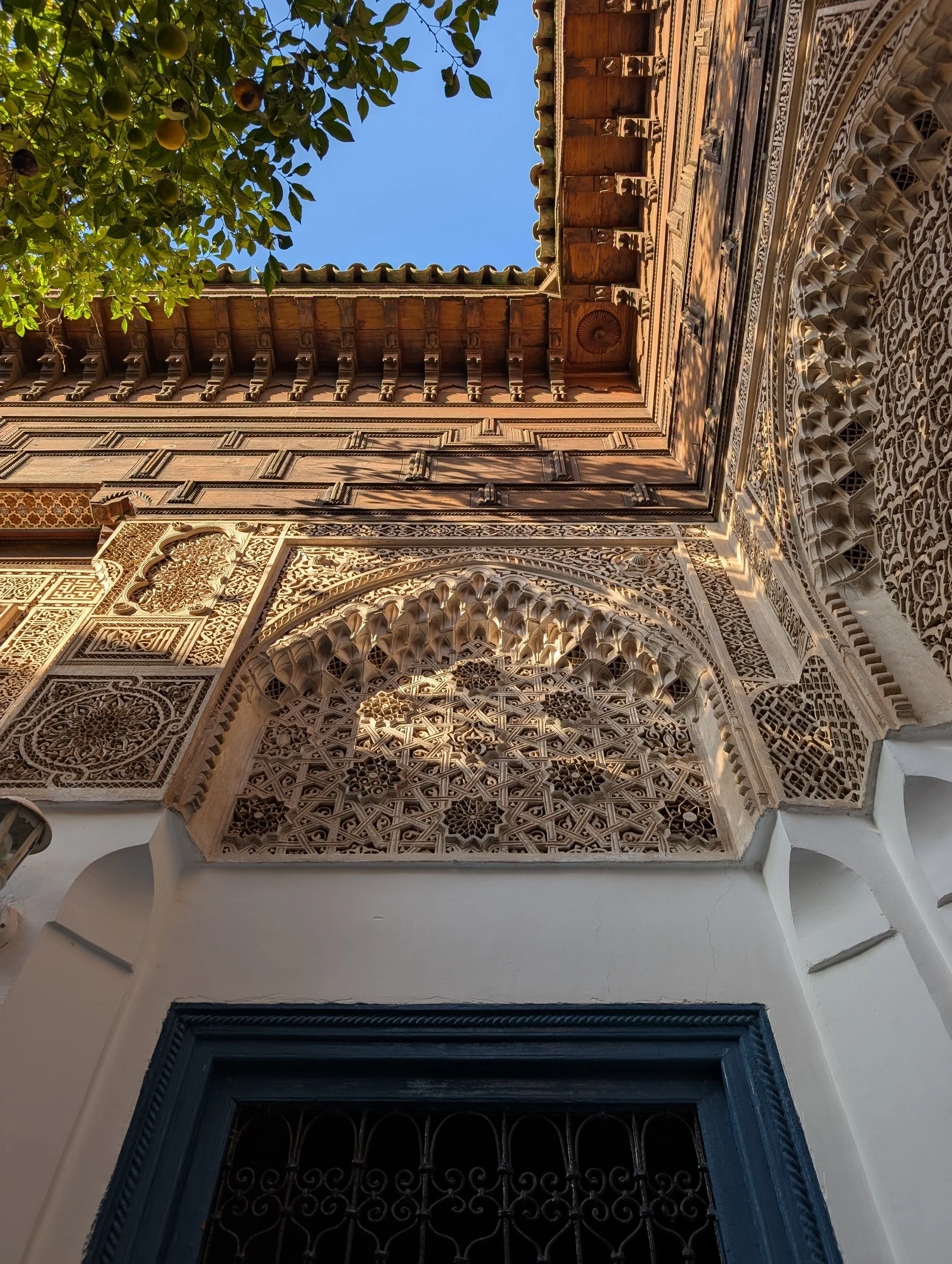
The afternoon took us past Jemaa el-Fnaa to draw out cash at Al Barid Bank before wandering to the Bahia Palace, where carved cedarwood, stained glass, and sunlit courtyards told stories of a different era. Afterwards, we found ourselves at the teahouse of the Moroccan Culinary Art Museum (MCAM) — another quiet corner with strong brews and soft colours.
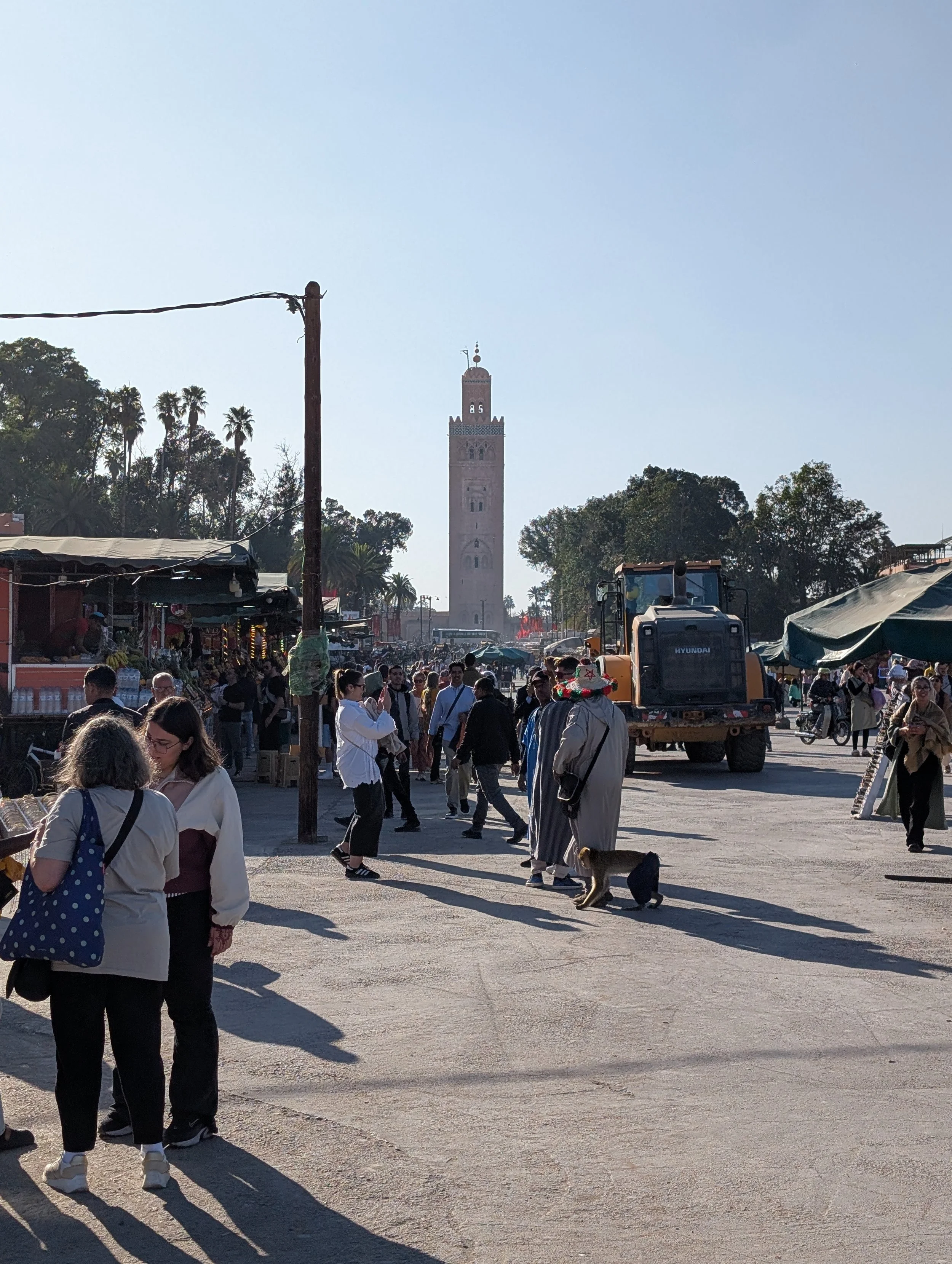
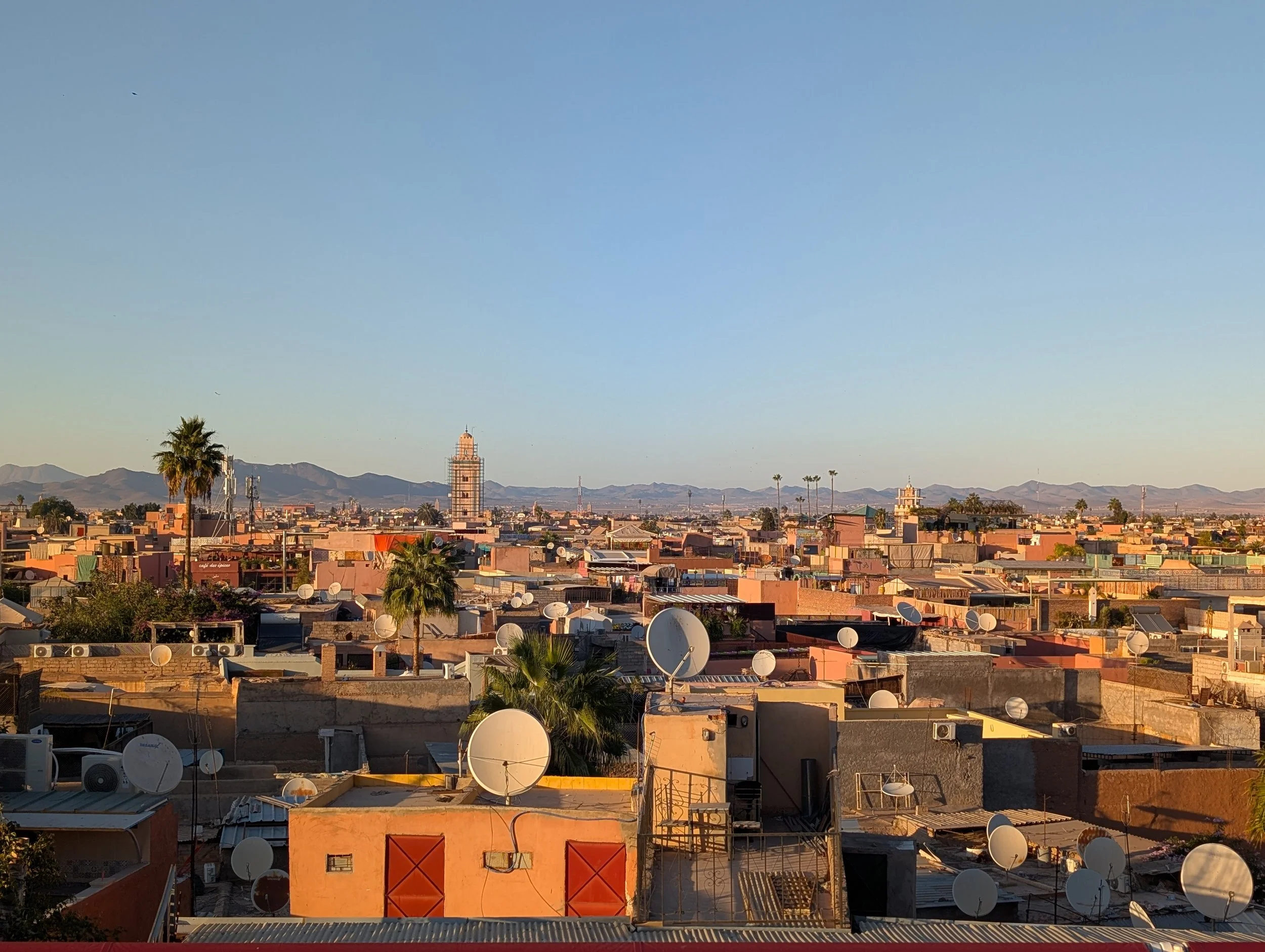
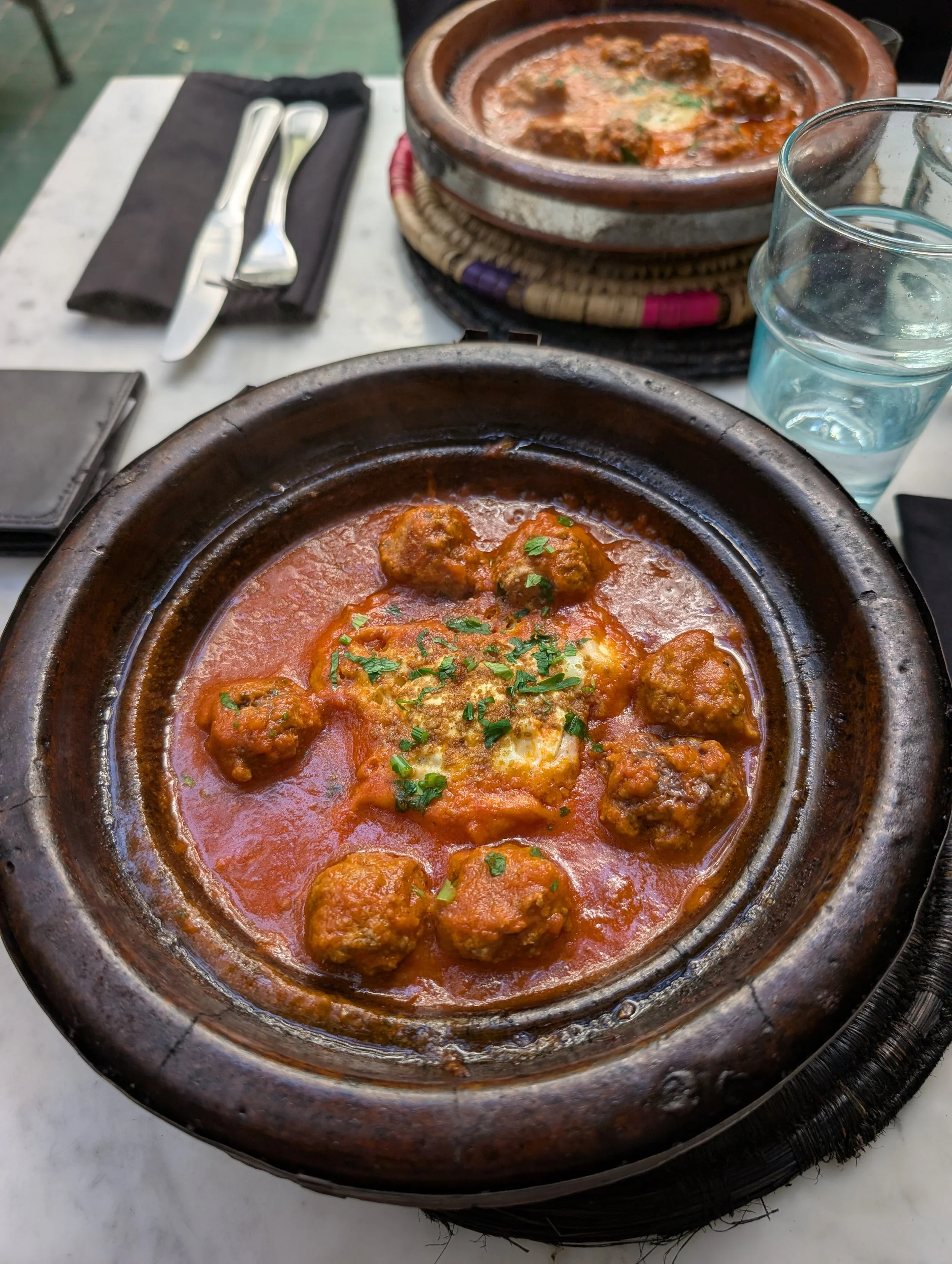
Dinner was at Le Grand Bazar Marrakech, where we took a rooftop table with sweeping views across the medina and the Atlas Mountains glowing faintly in the distance. A chicken tagine, warm bread, and a cool evening breeze — an easy, gentle start to our time in Morocco.
Day 2: Into the Atlas – Ouarzazate & Aït Benhaddou
Our second day was the highlight of the entire trip: a full-day guided excursion to Ouarzazate & Aït Benhaddou, booked through GetYourGuide.
We left the riad around 7:20am, winding our way out of Marrakech and up into the High Atlas Mountains. The landscapes shifted constantly — village terraces, red earth cliffs, long stretches of quiet road framed by snow-dusted peaks. A brief photo stop at the Tizi Tishka panoramic viewpoint offered a moment to breathe it all in.
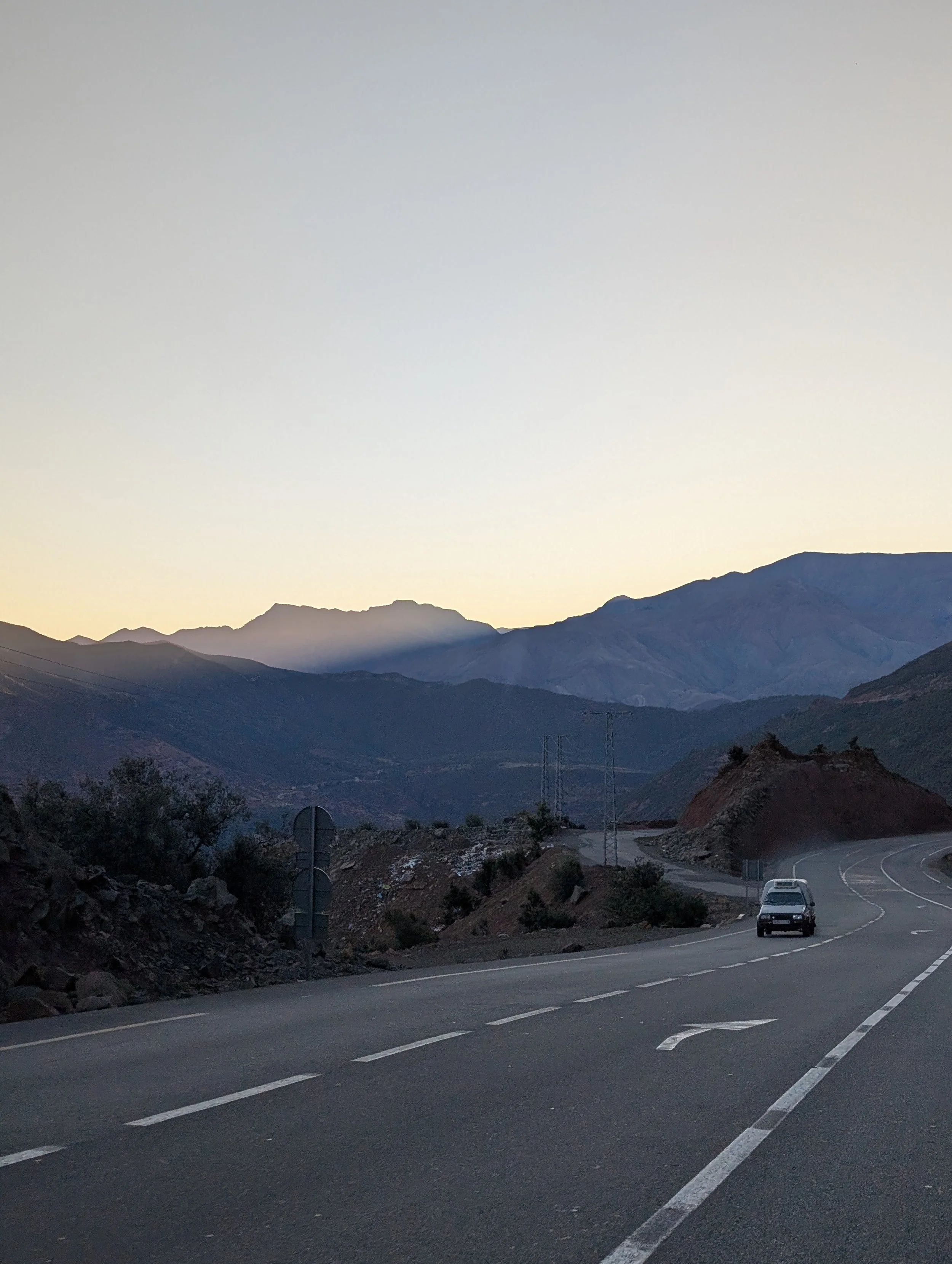
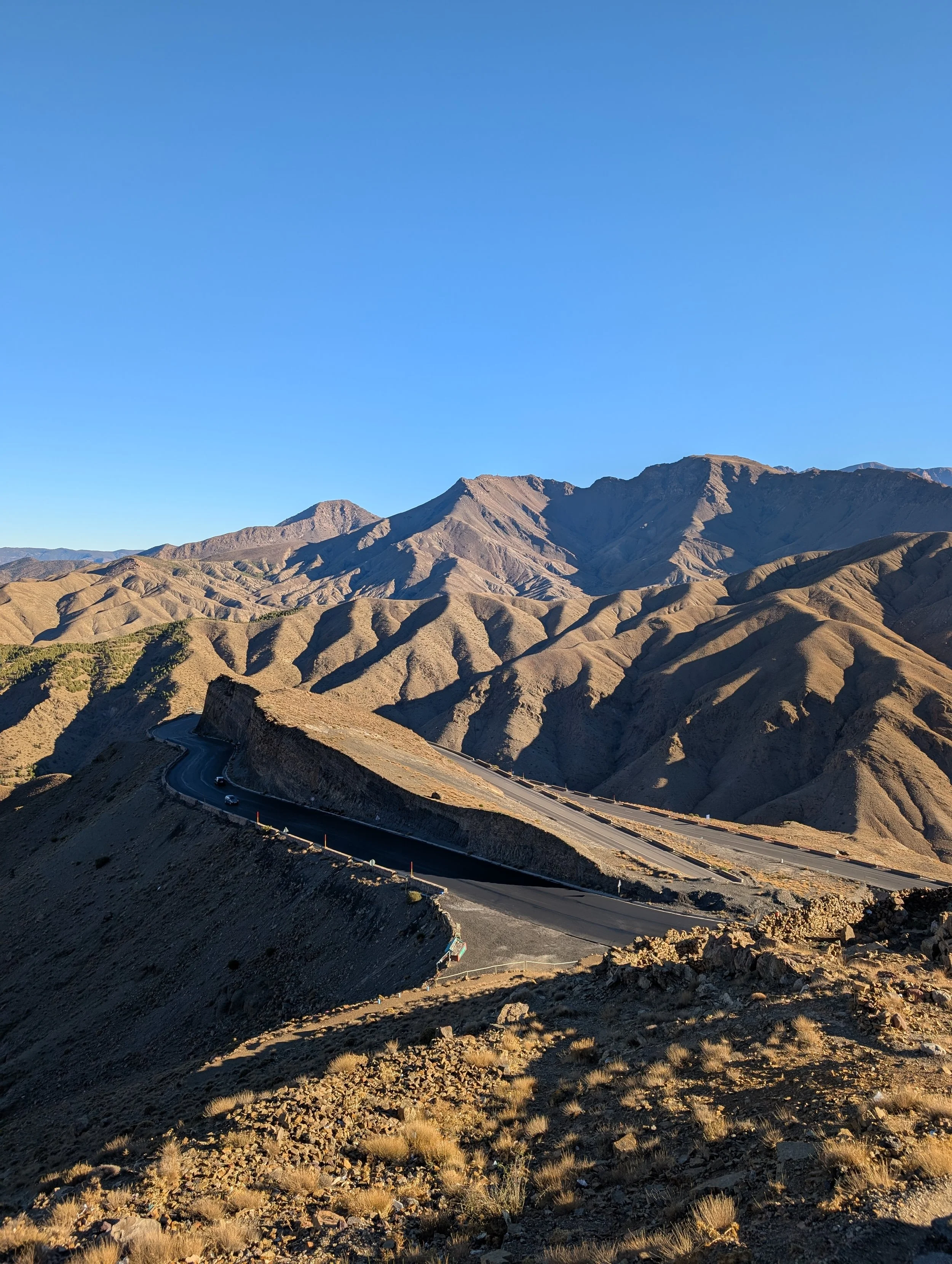
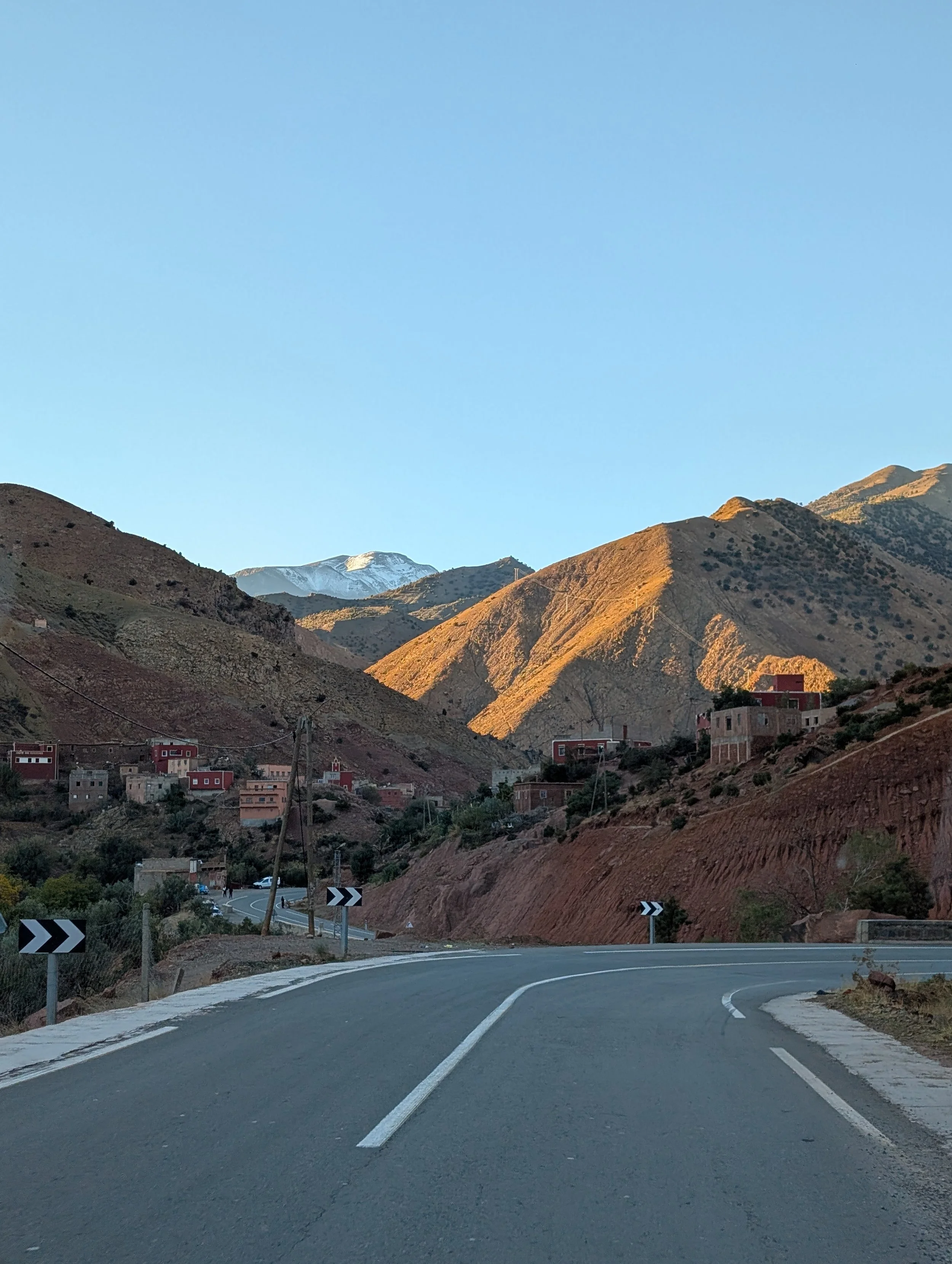
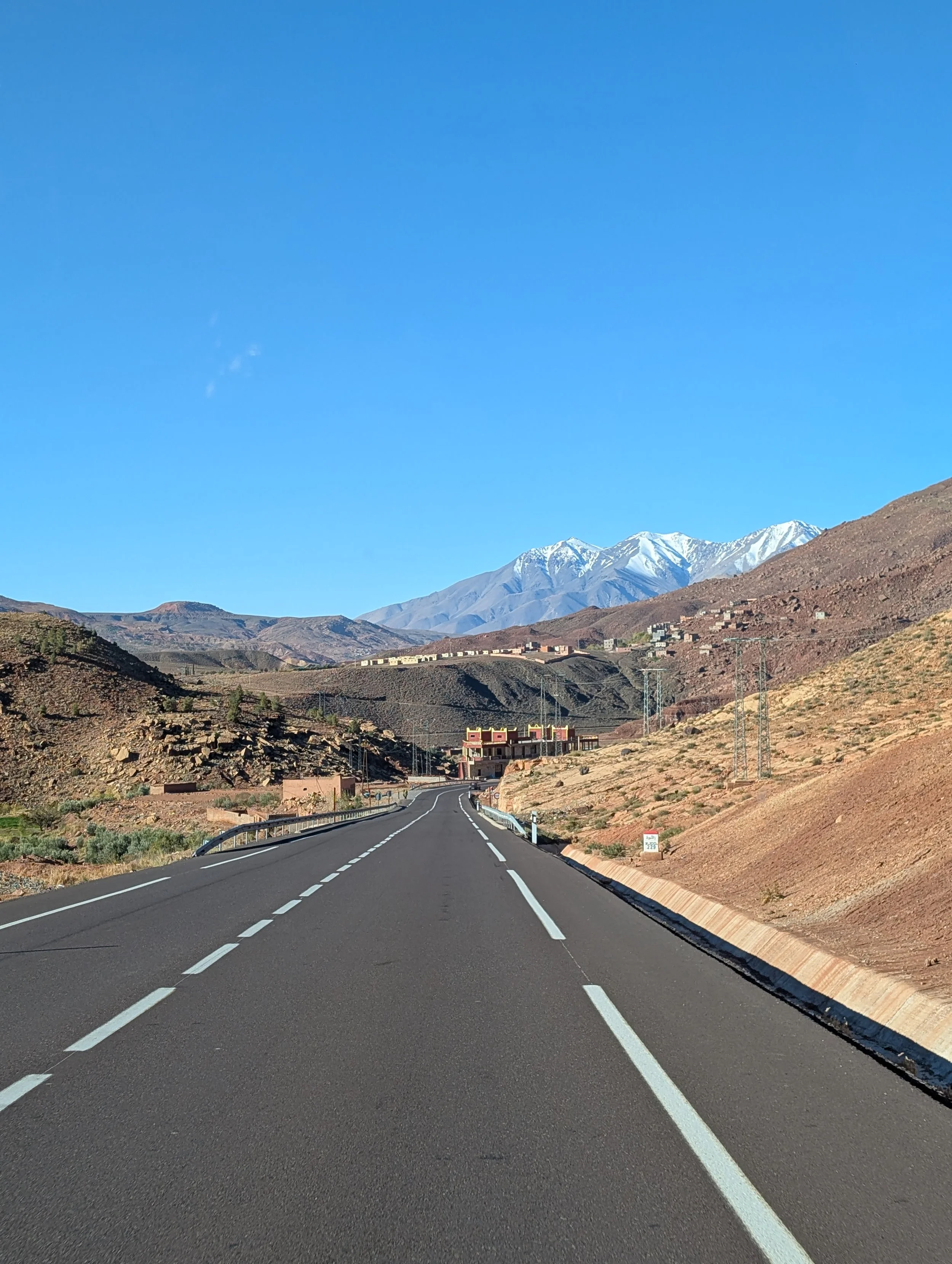
Crossing the Tizi n’Tichka Pass at 2,260 metres was nothing short of spectacular. Every turn revealed a new horizon, raw and astonishing. By the time we descended into Ouarzazate, the sky had stretched into a wide desert blue.
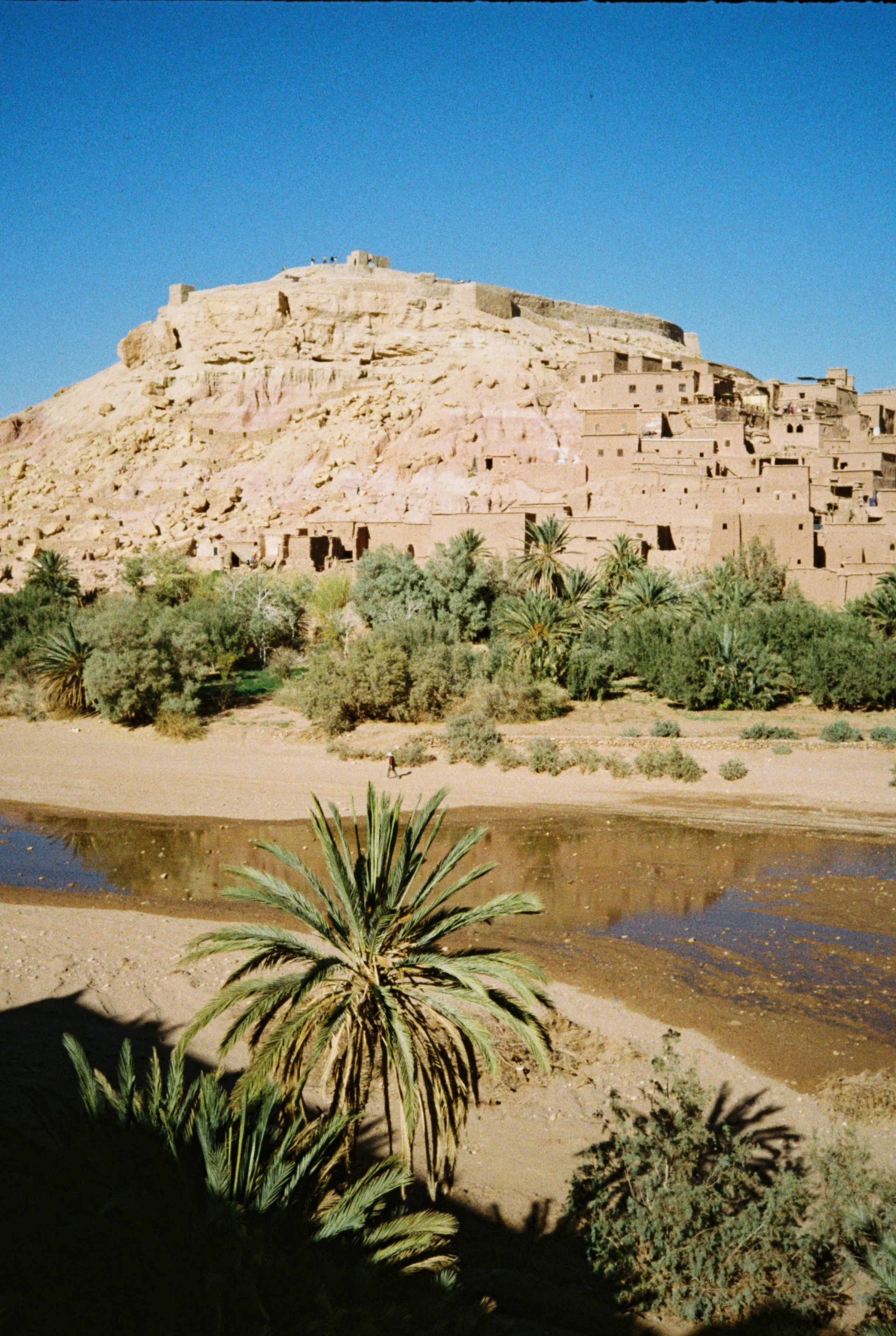
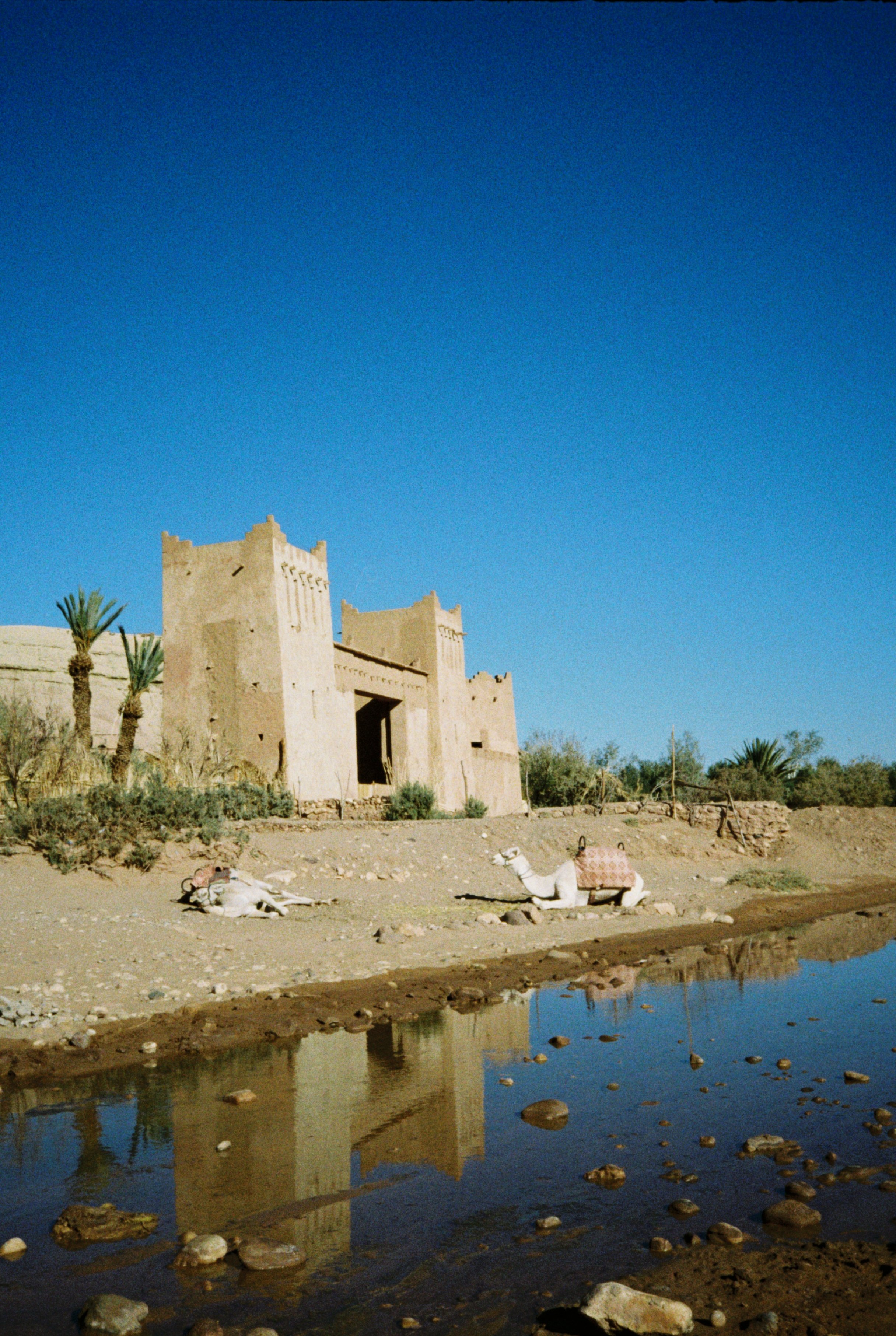
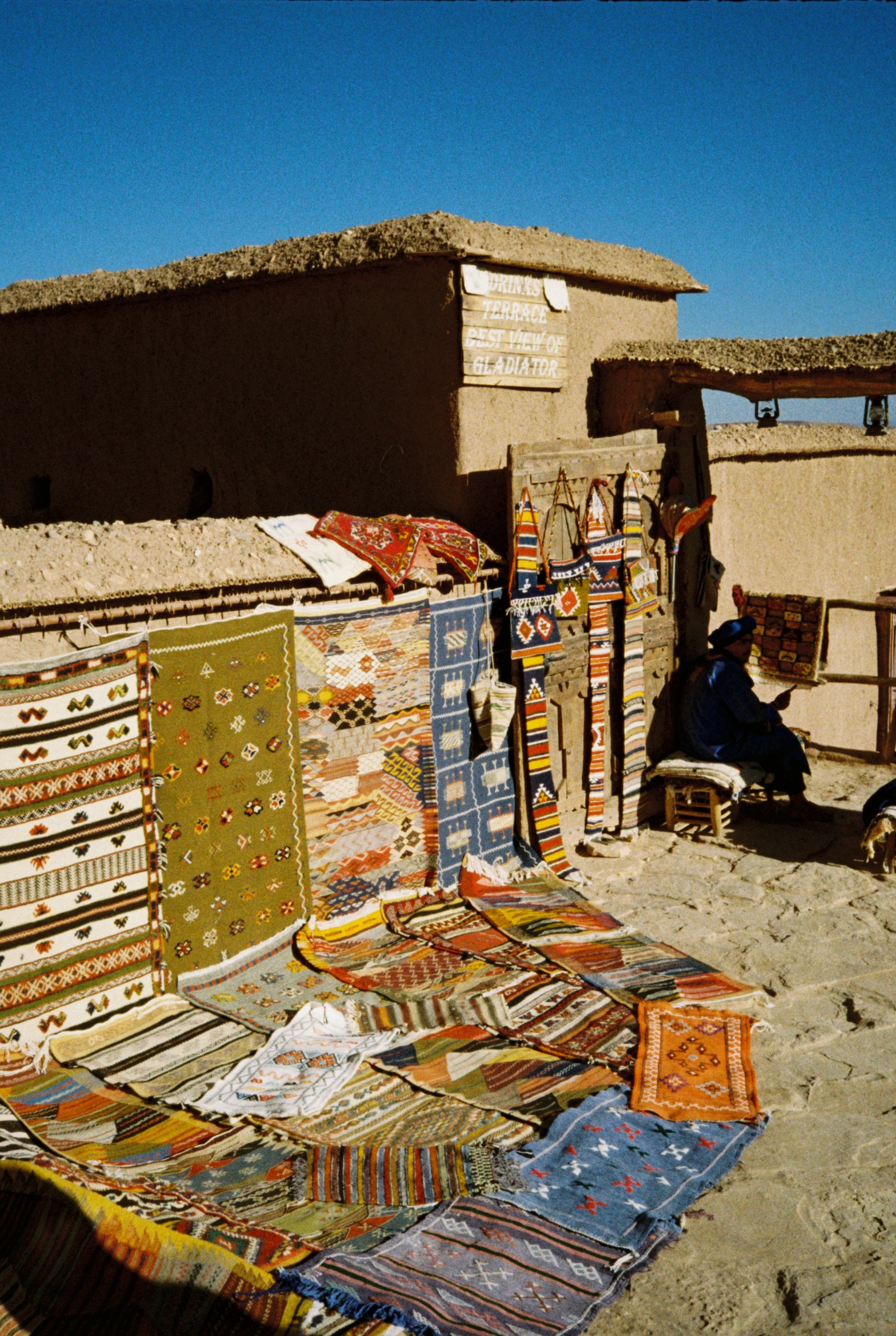
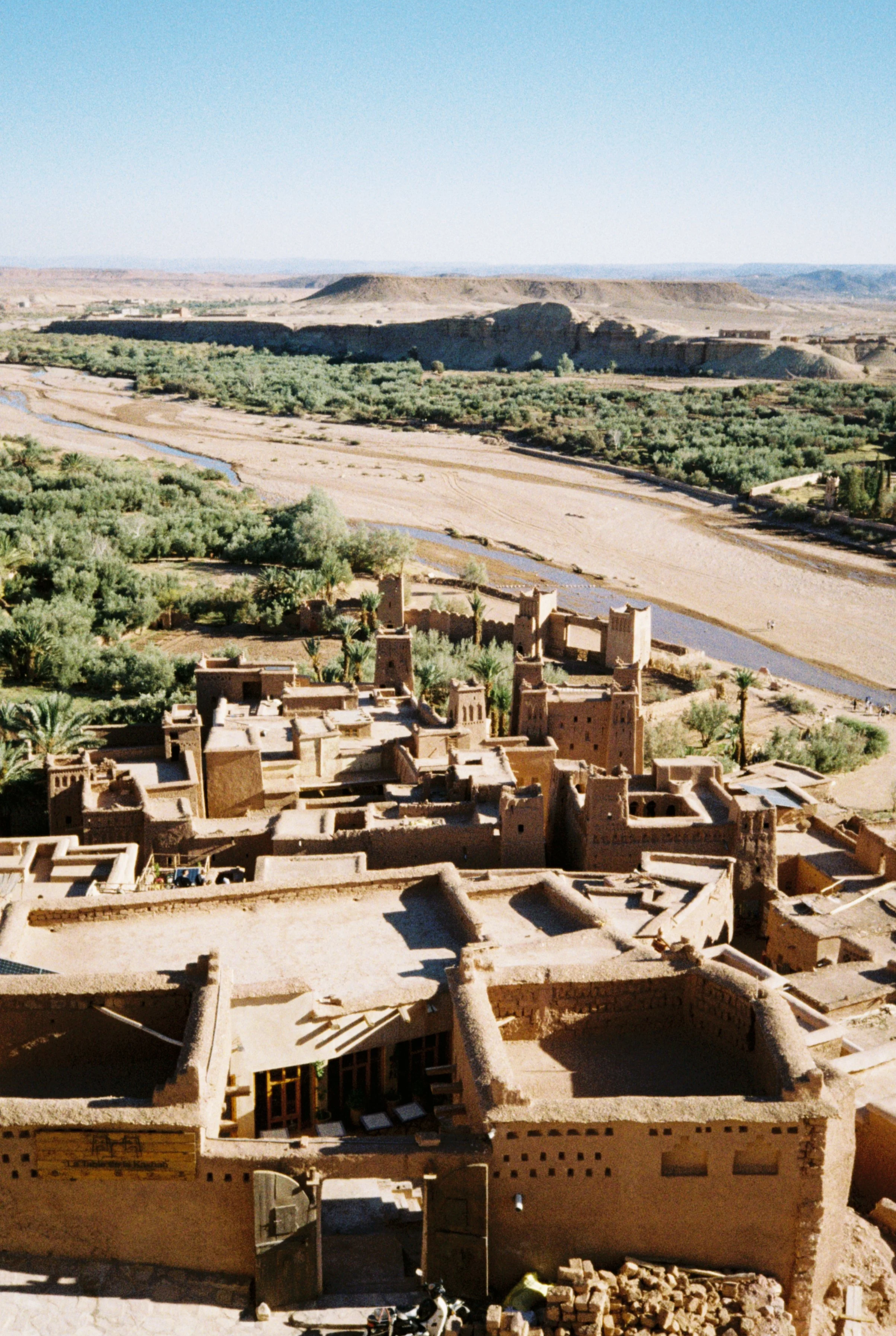
Bhav loved exploring the Atlas Film Studios — seeing sets from films and series he adores, including some of his all-time favourites. For me, the magic came later, walking the narrow pathways of Aït Benhaddou, a UNESCO World Heritage Site that rises like a sandcastle carved from the mountains themselves. The quiet there felt sacred, ancient.
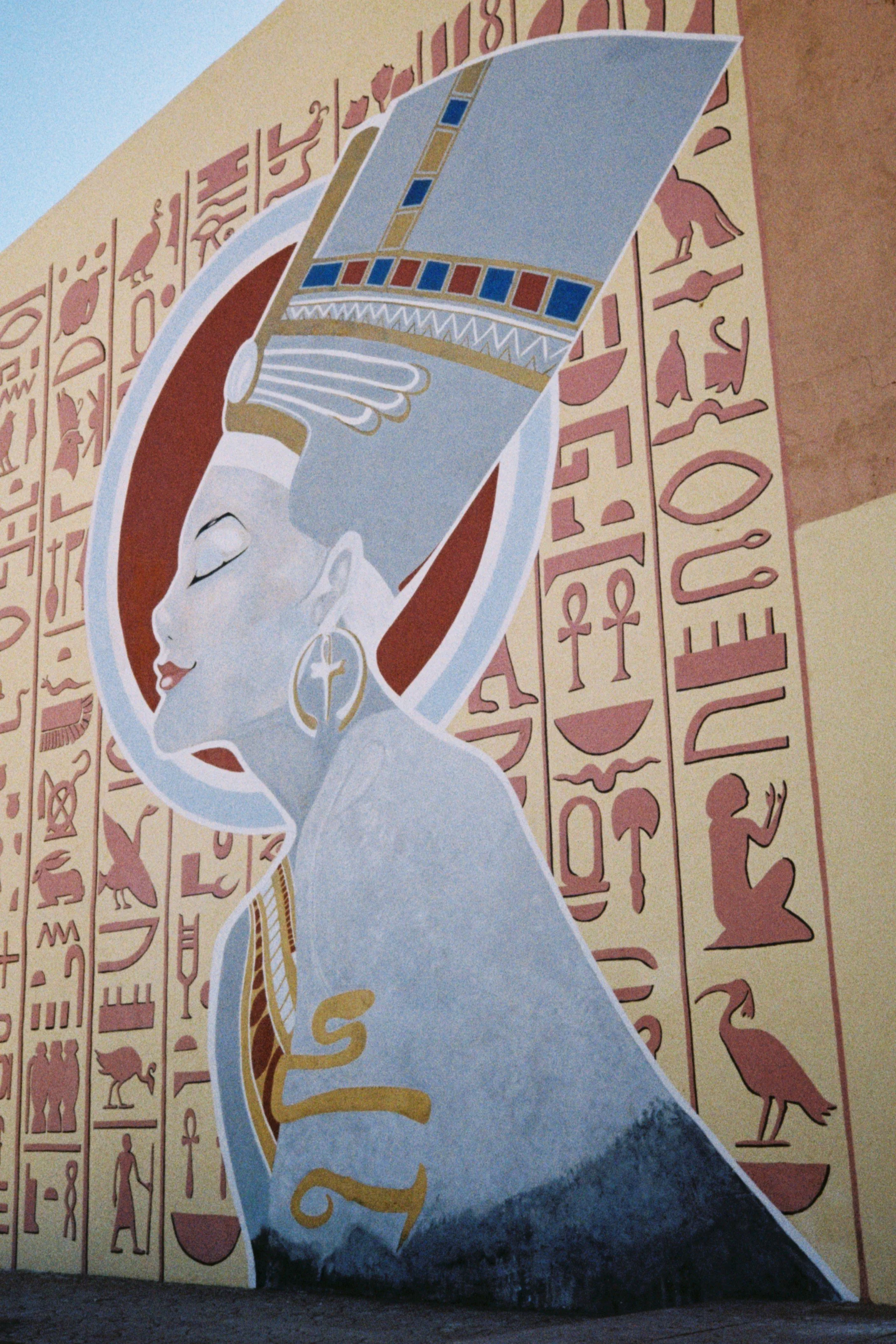
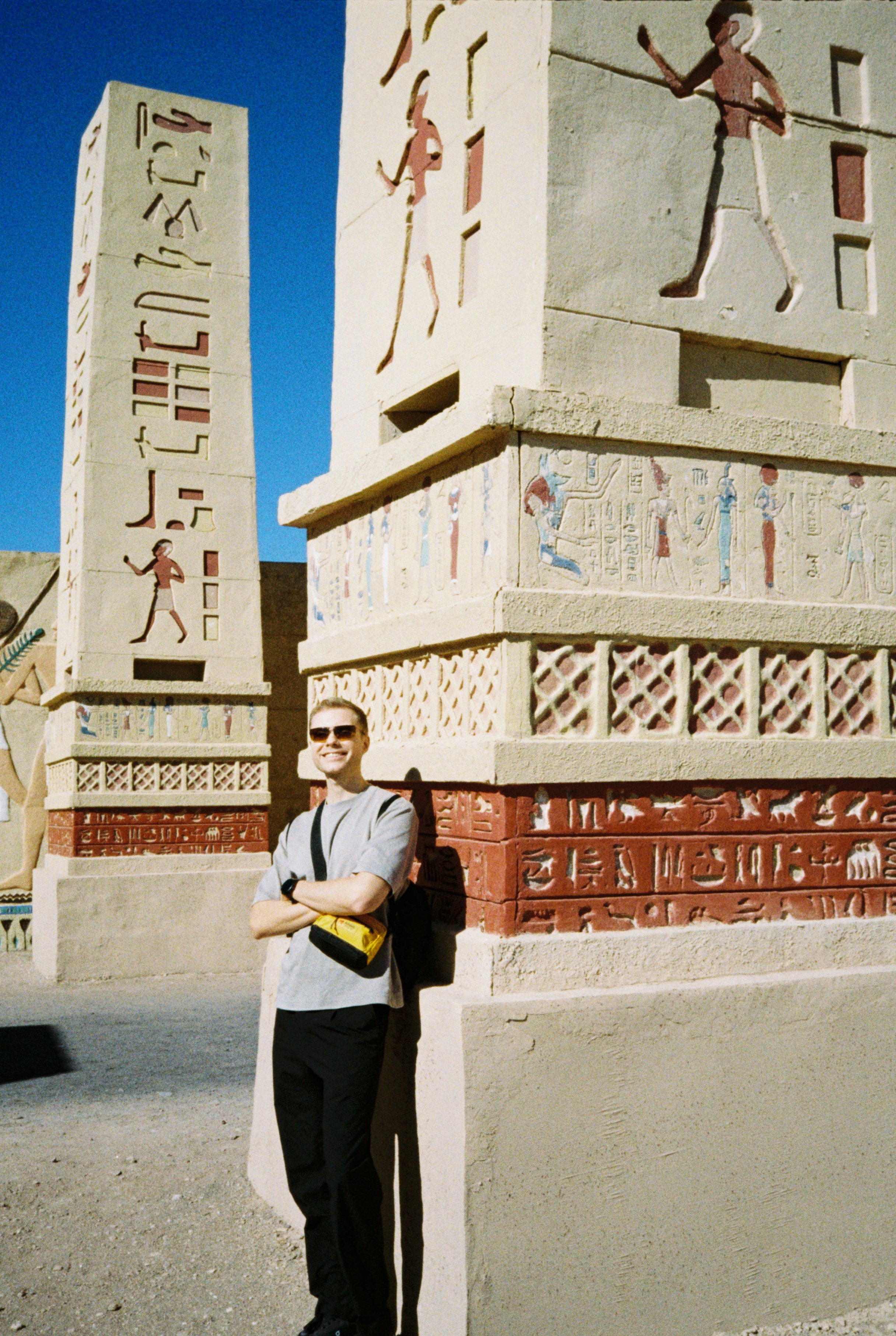
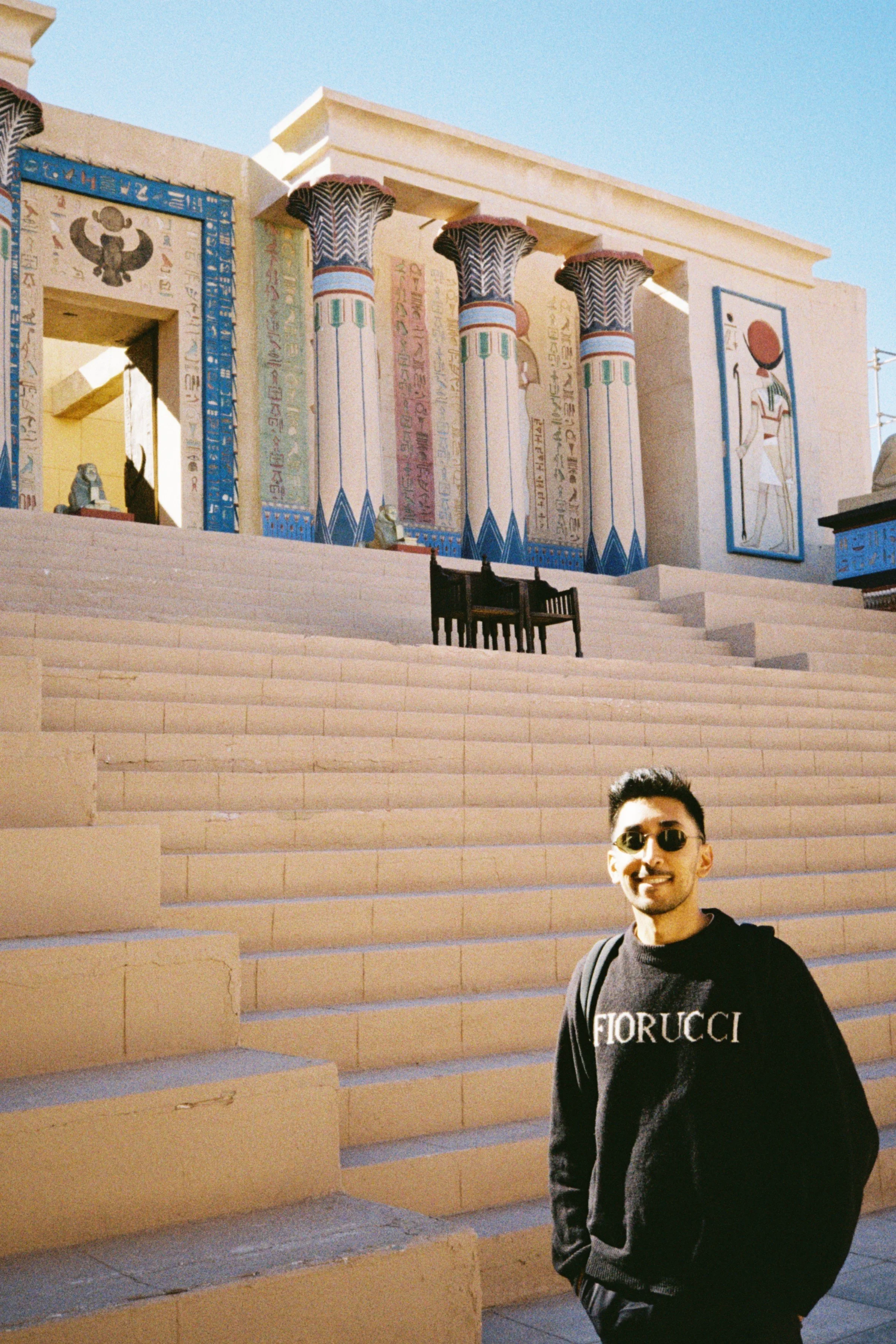
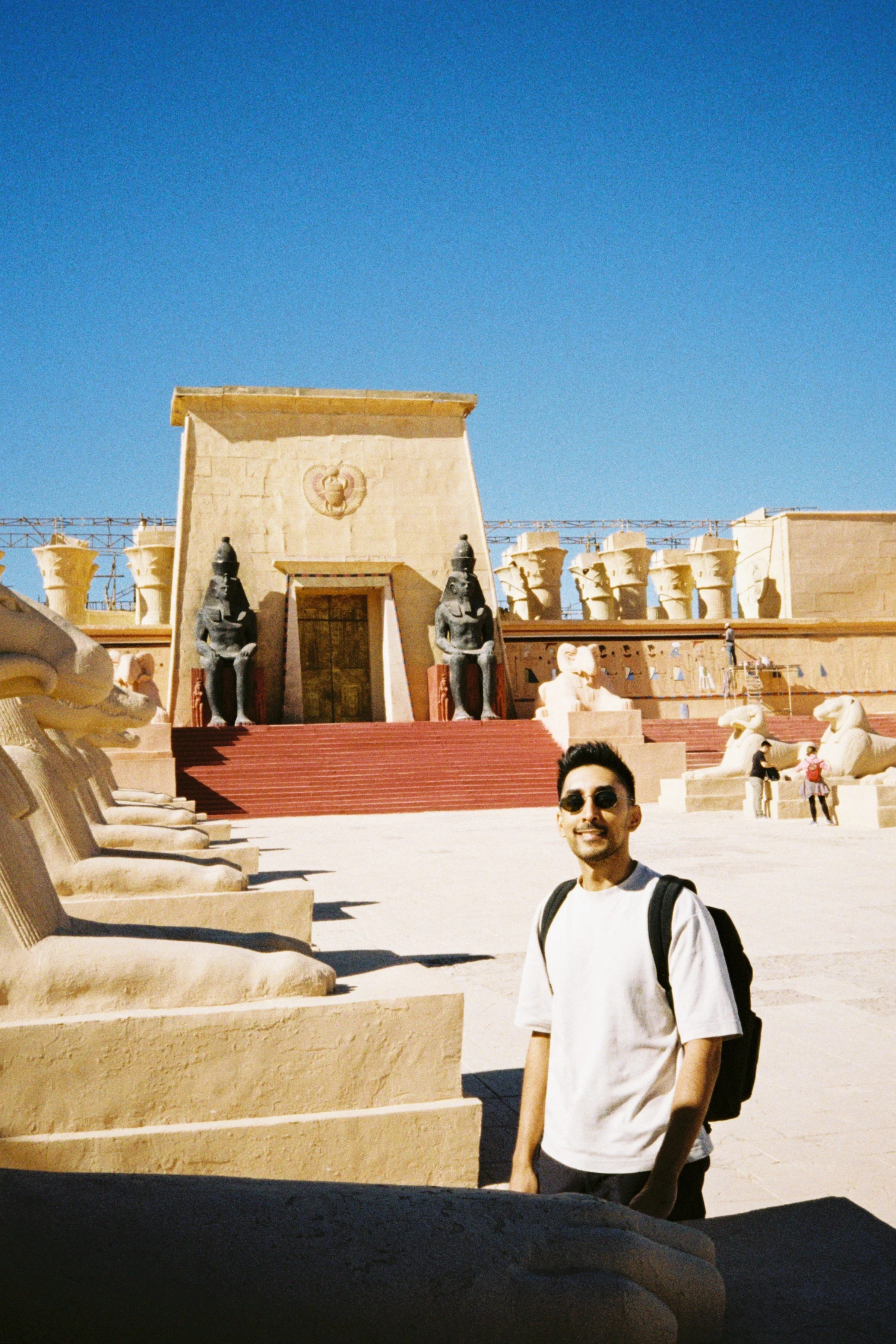
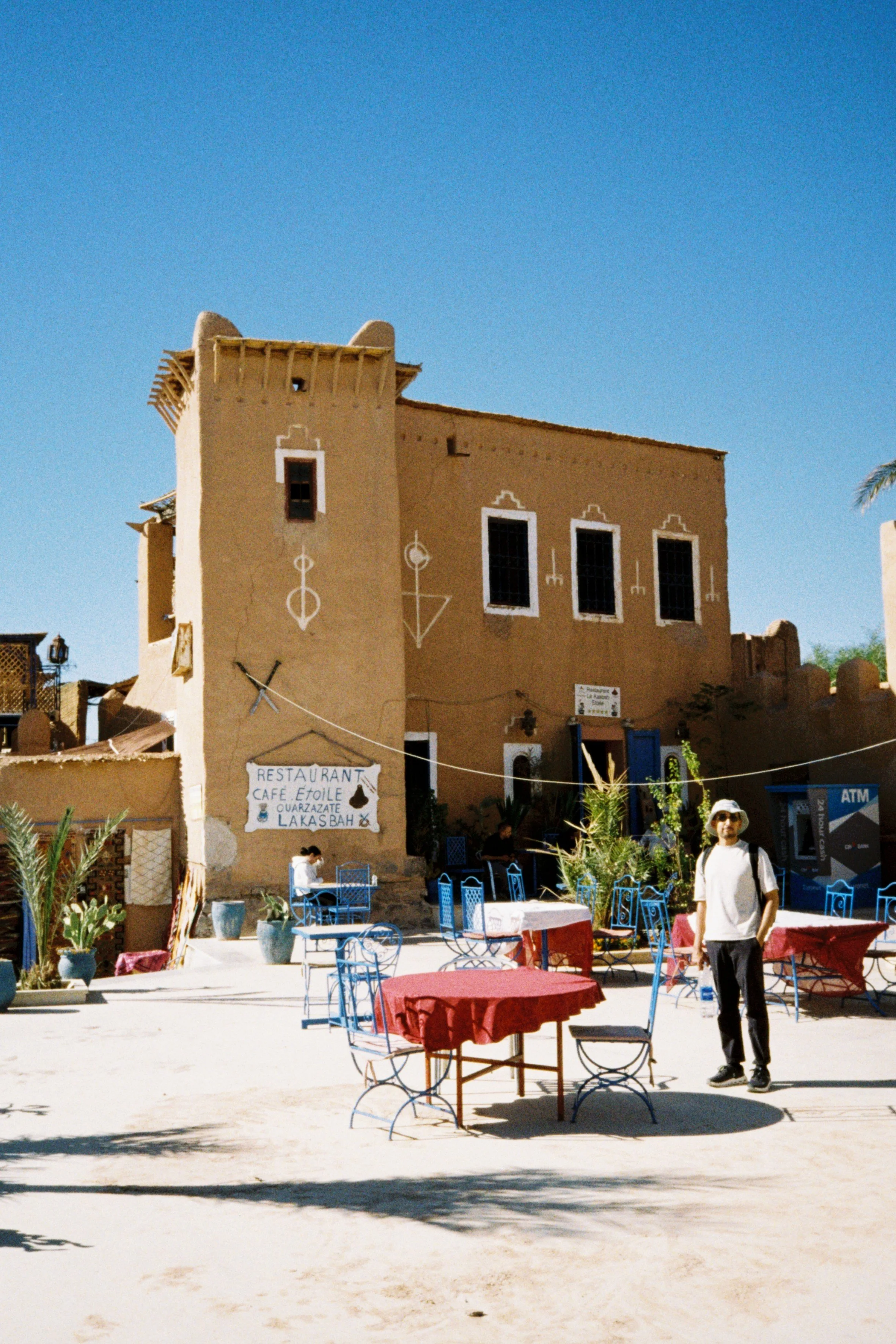
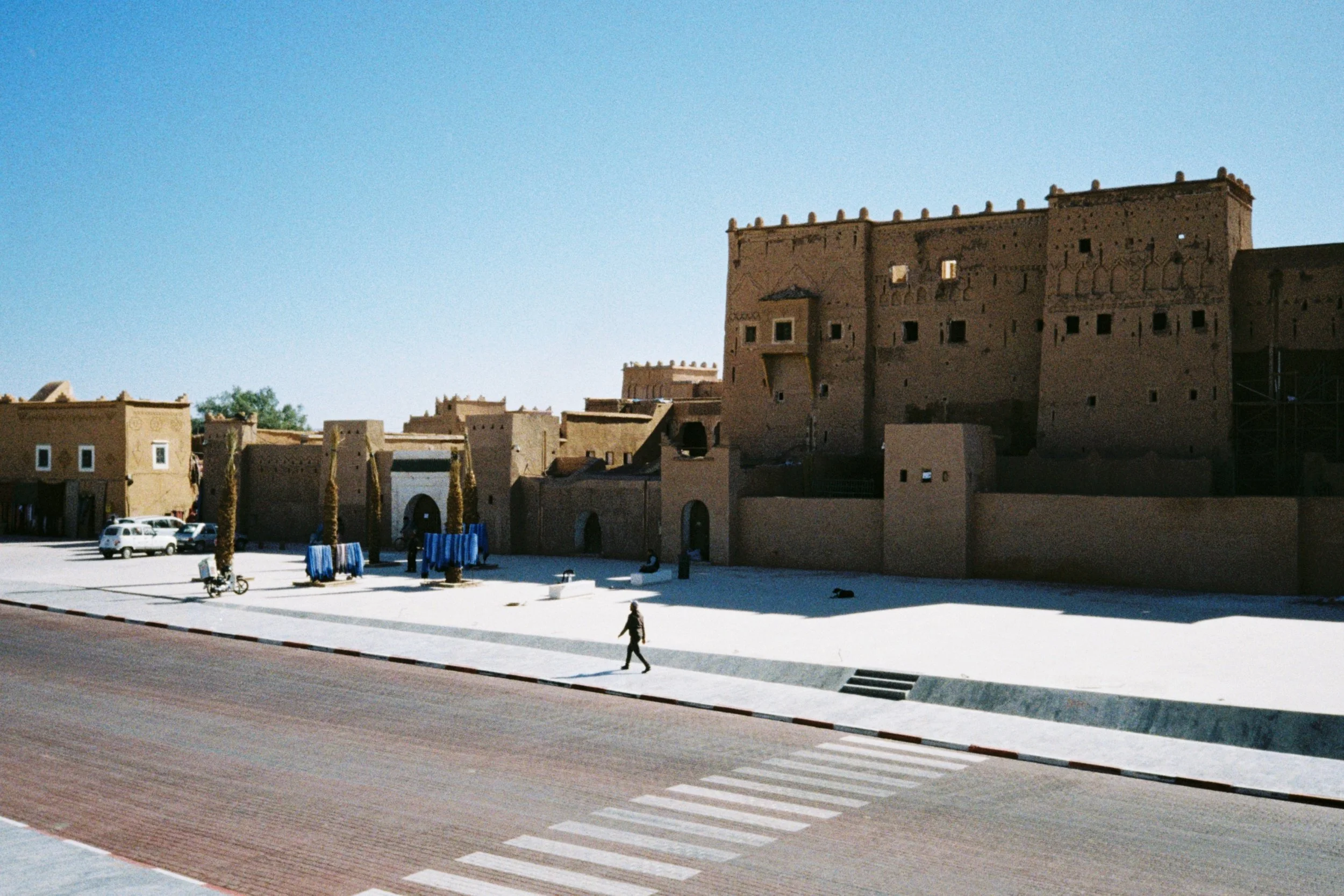
Lunch was served at Restaurant Lakasbah Etoile, just across from Kasbah Taourirt, with views over the landscape. Simple, satisfying, and perfectly timed after hours on the road.

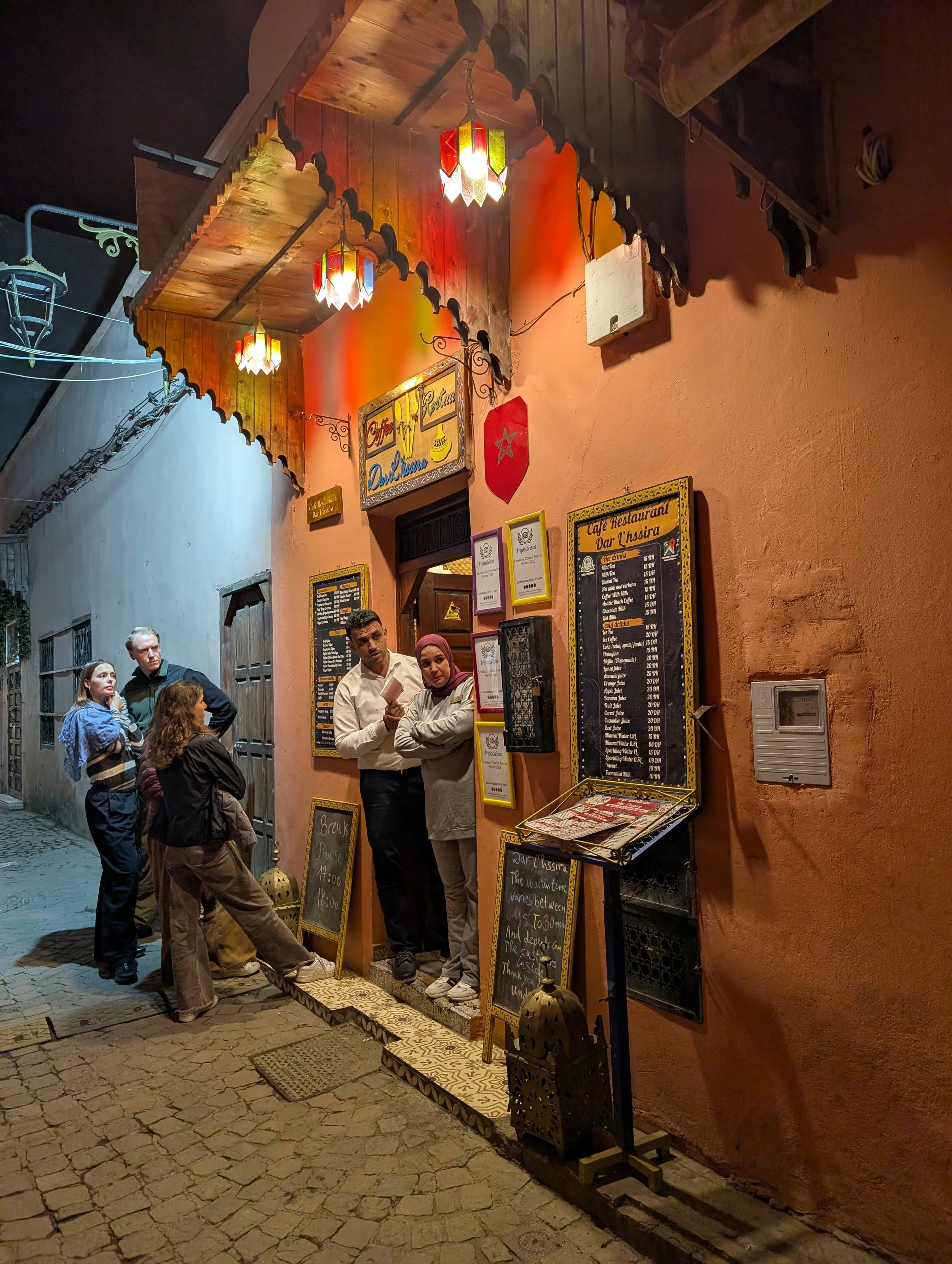
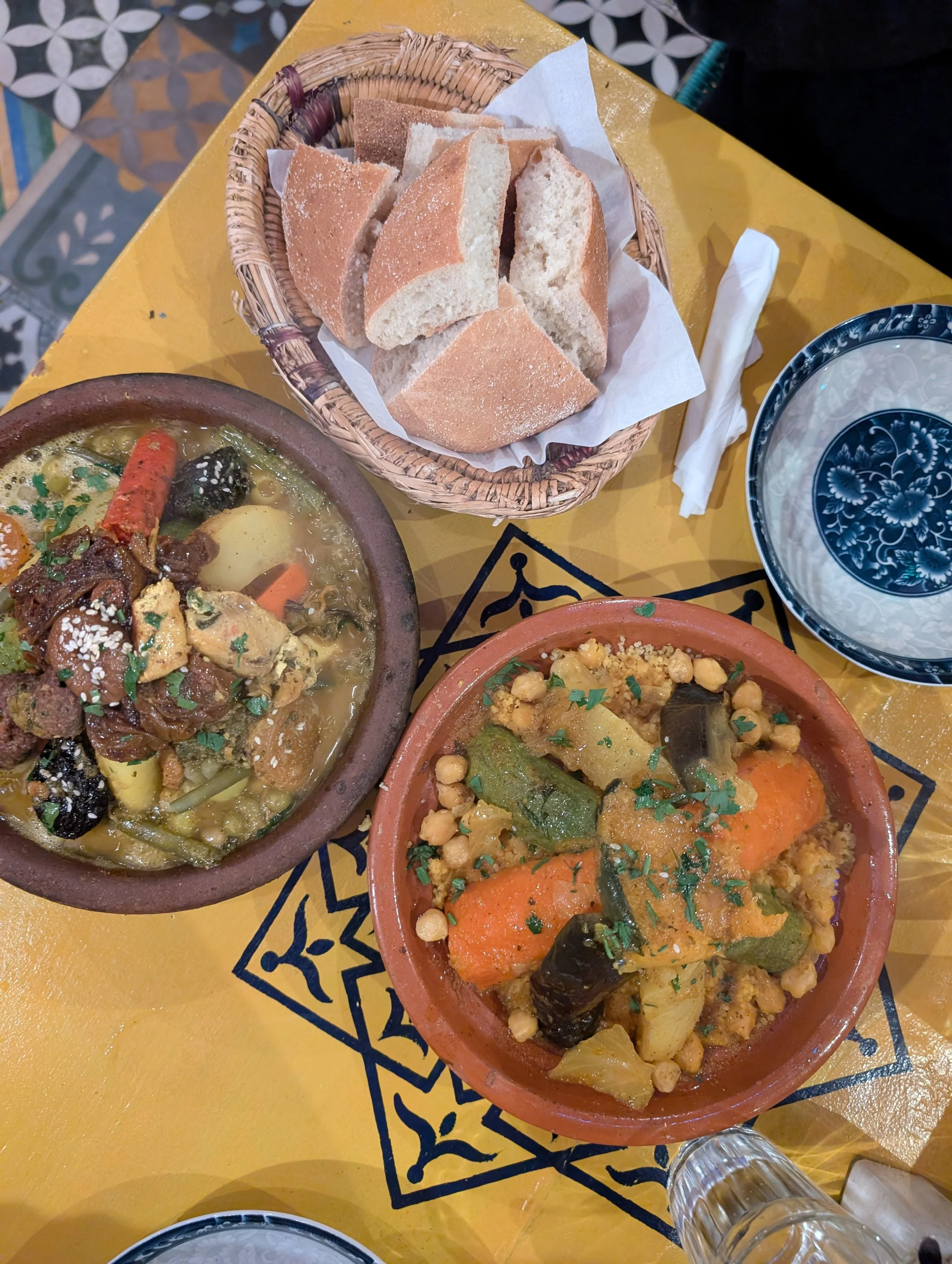
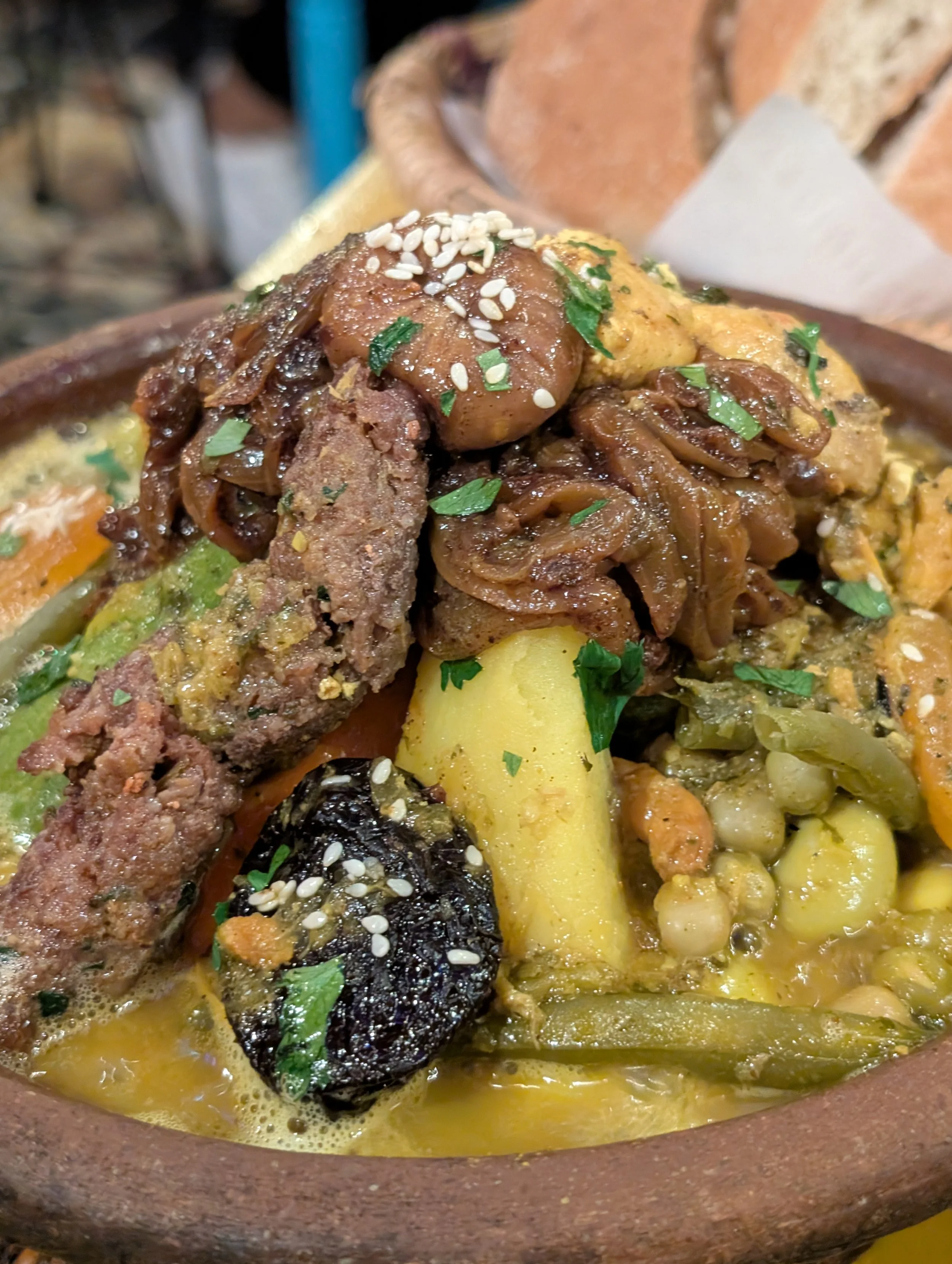
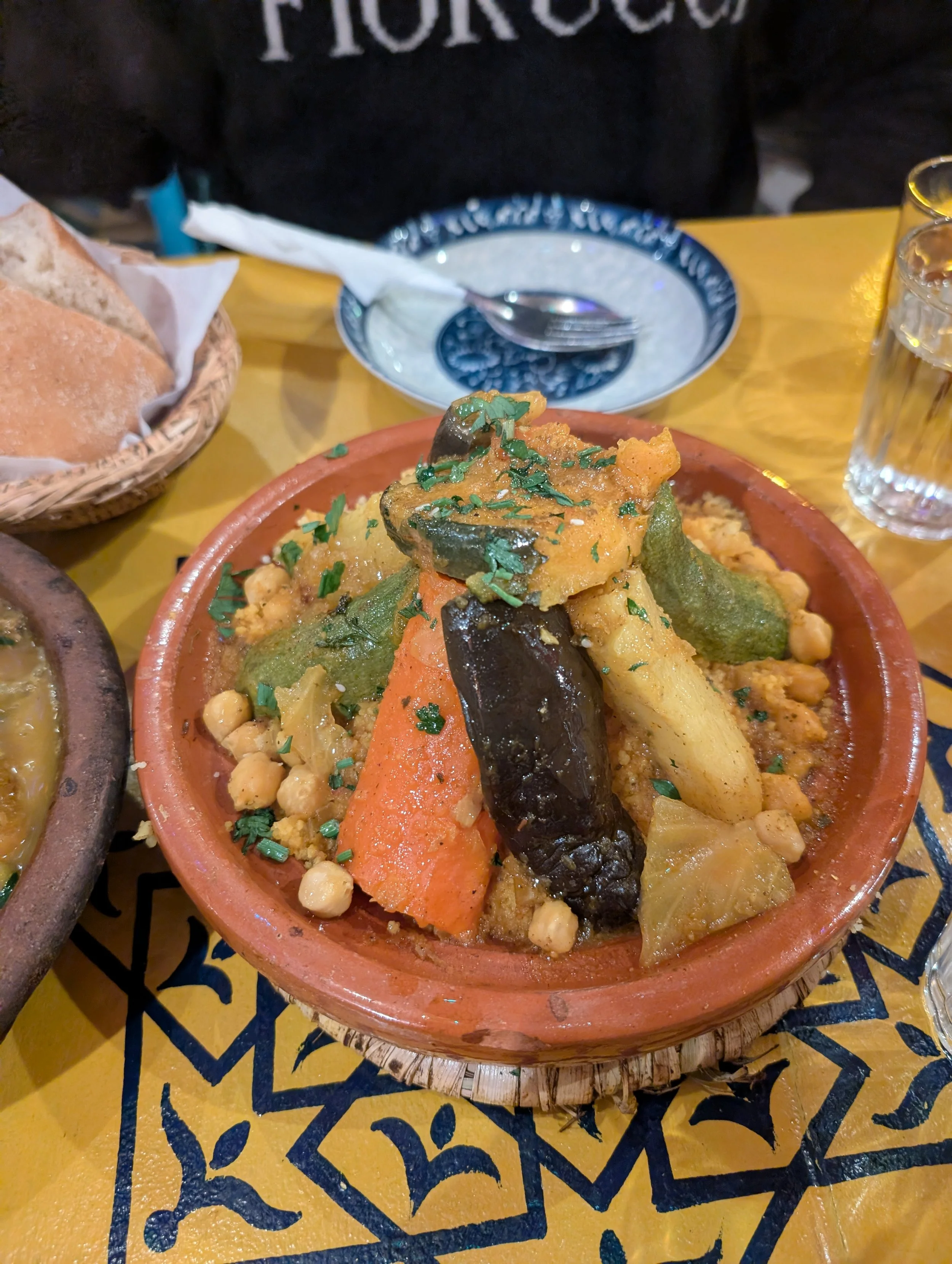
By 8pm we were back in Marrakech, ready for dinner at Café Restaurant Dar L’hssira. The 40-minute queue would normally be a dealbreaker, but this time it became part of the experience. Inside, we shared a vegetarian couscous and a royal tagine — both wonderfully fresh, fragrant, and cooked to perfection. The entire meal cost far less than we expected, making it one of the trip’s best surprises.
Day 3: Madrasa, Gardens & a Jazz-Filled Evening
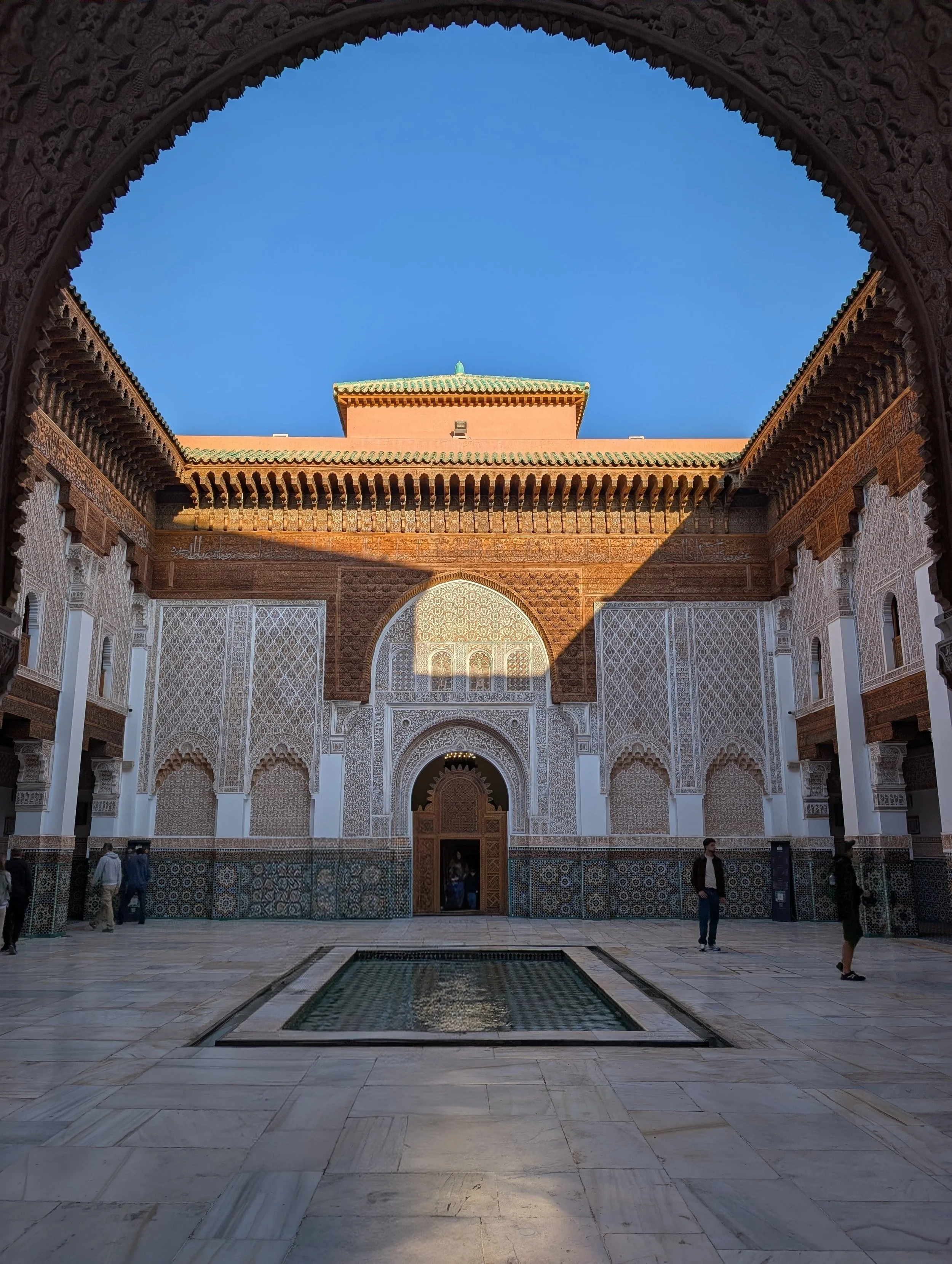
We devoted our third day to Marrakech itself. After a fantastic breakfast at the riad, we walked to the Ben Youssef Madrasa, a masterpiece of Islamic architecture where quiet courtyards, pale tiles, and carved plasterwork invited slow wandering. From there, we stepped into the green refuge of Le Jardin Secret, lingering among palms, fountains, and the gentle hum of the city beyond its walls — and, of course, enjoying a pot of mint tea at its garden café.
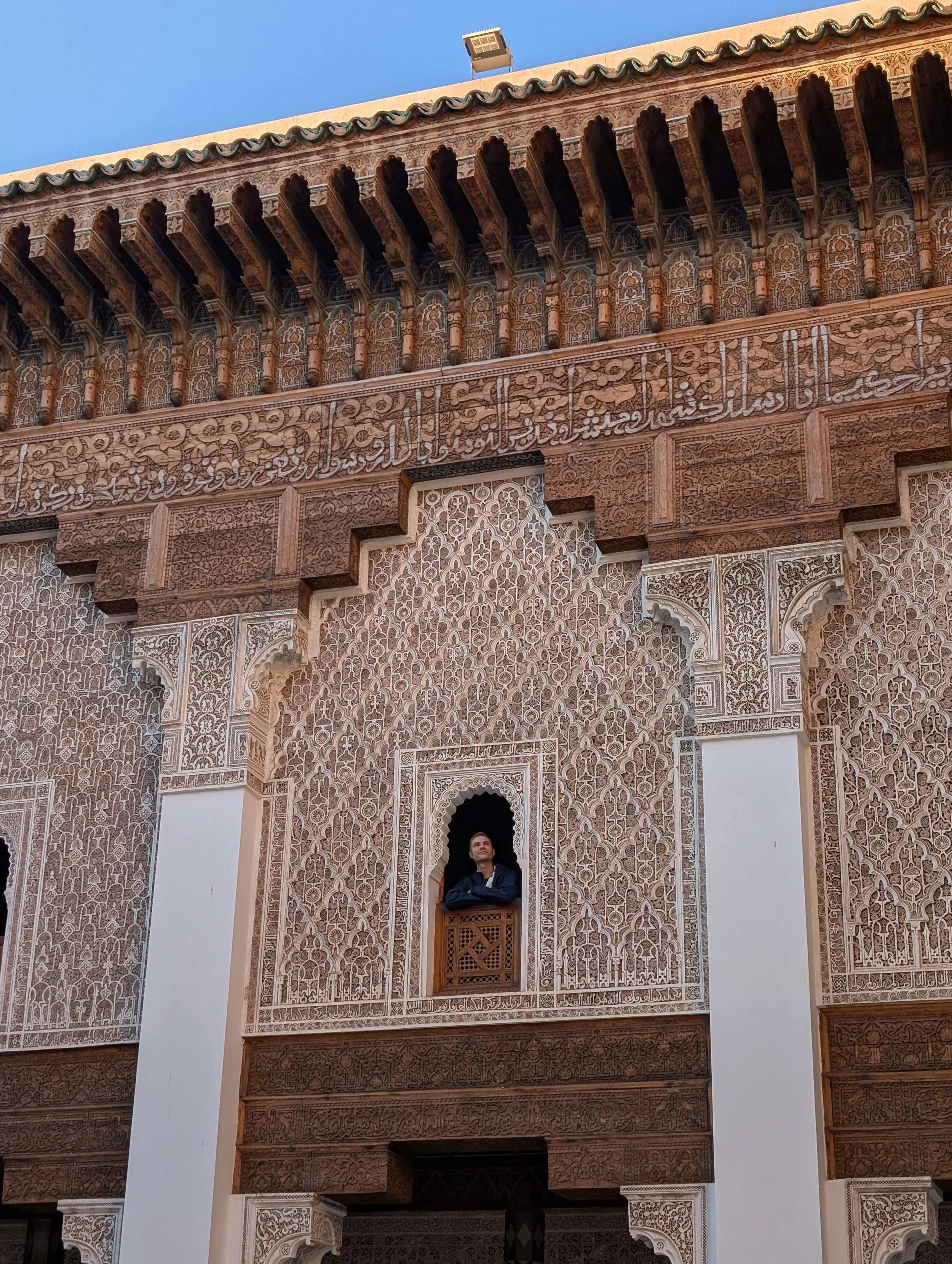
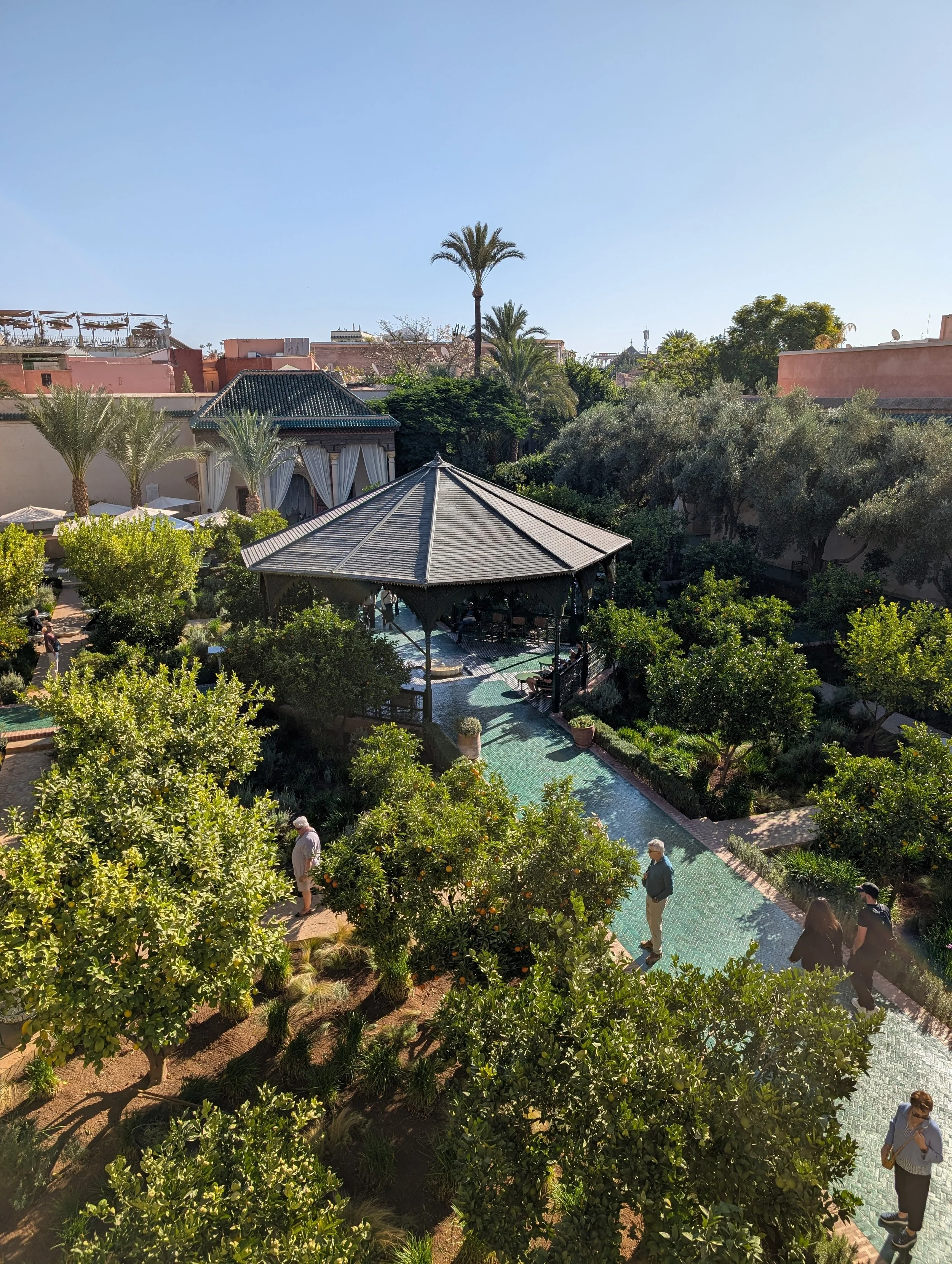
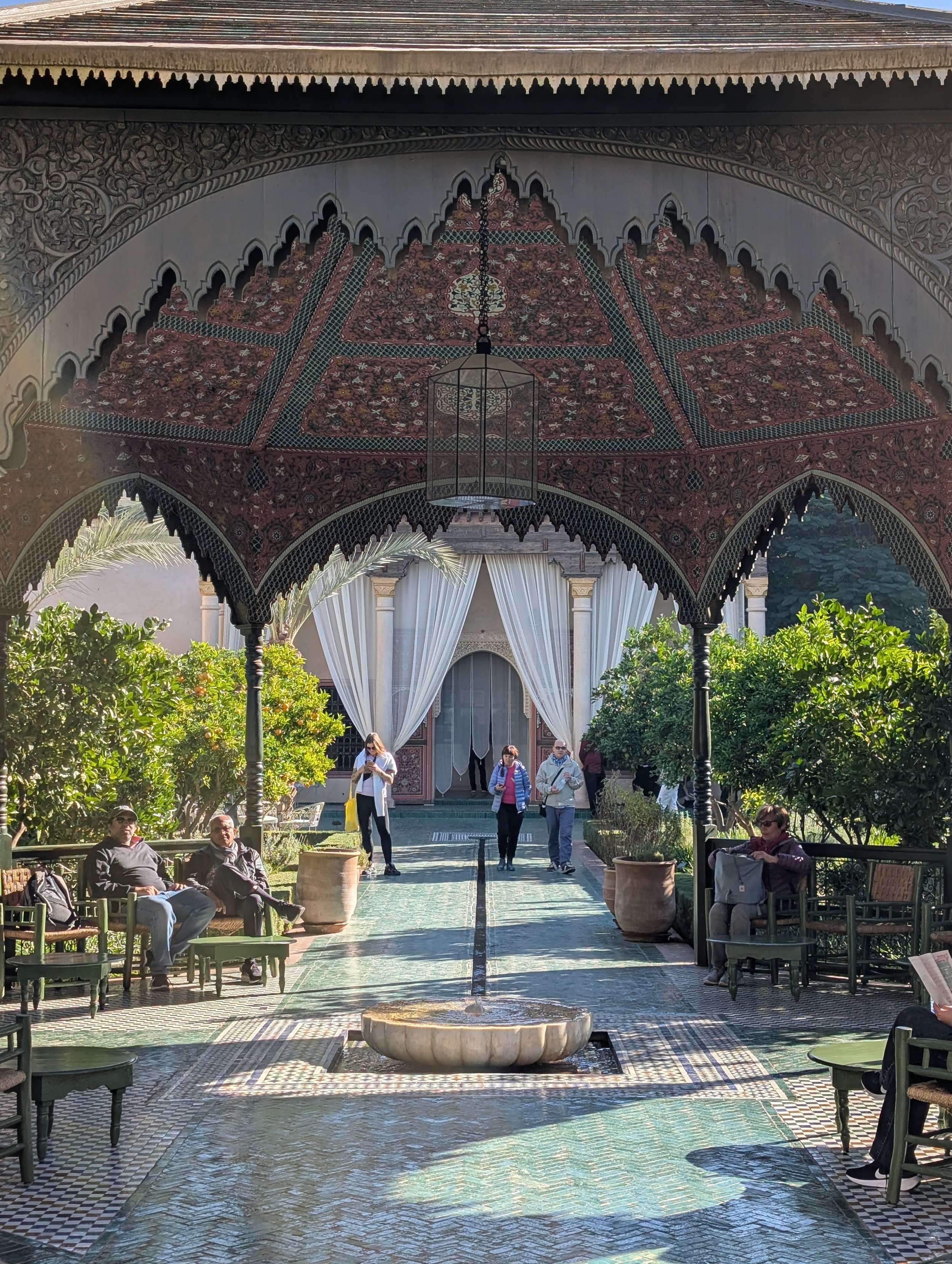
Lunch was at La Table Berbère, where warm spices, fresh herbs, and hearty Berber dishes made for a comforting midday pause.
In the afternoon, we headed to the iconic Jardin Majorelle. Even with the crowds, nothing quite prepares you for the electric blues, bold yellows, and sculptural cacti. There’s a reason this garden is one of the city’s most beloved landmarks. If you plan to visit, make sure to set aside enough time and to book your ticket in advance, as there are no ticket sales at the entrance.
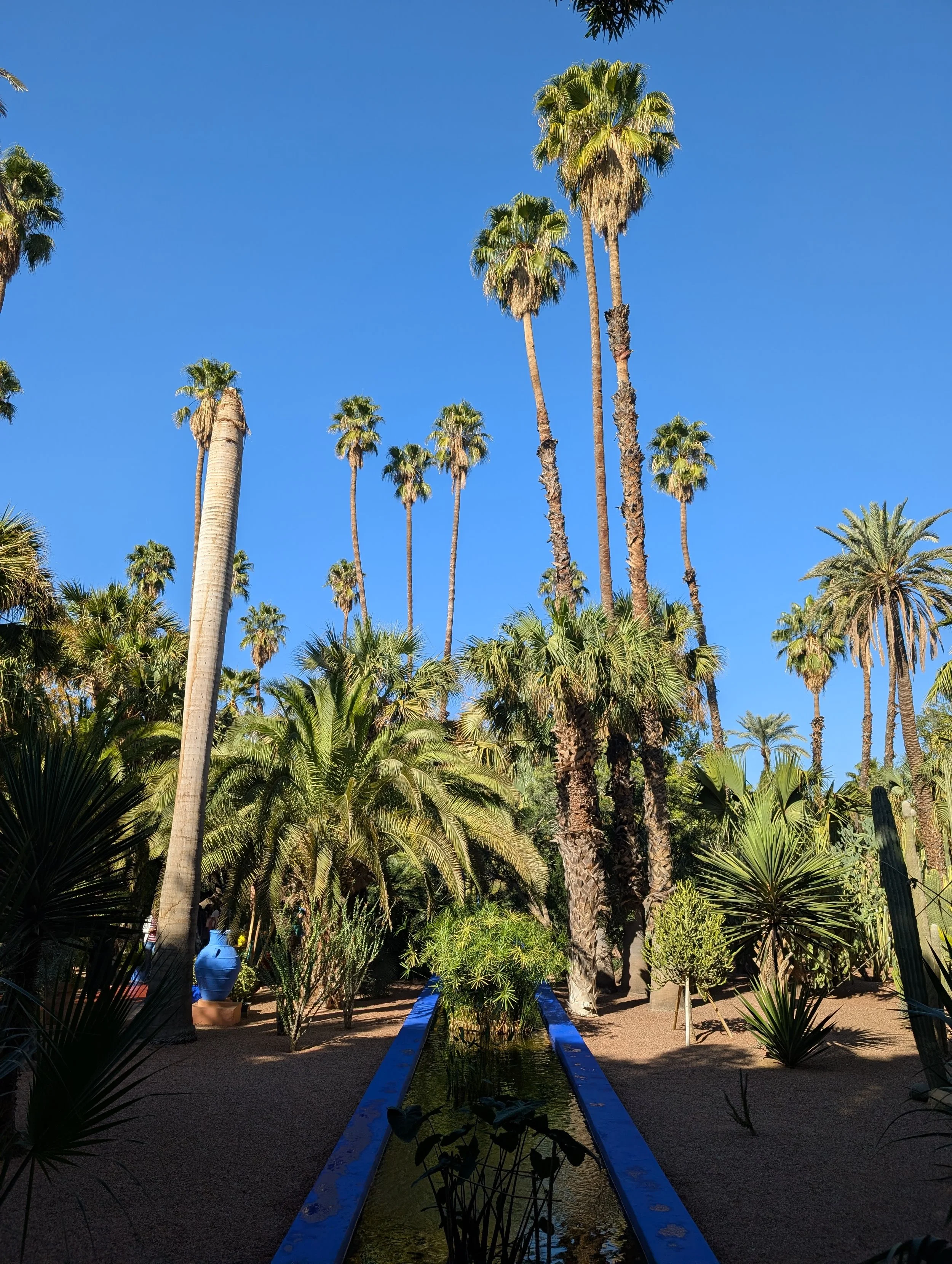
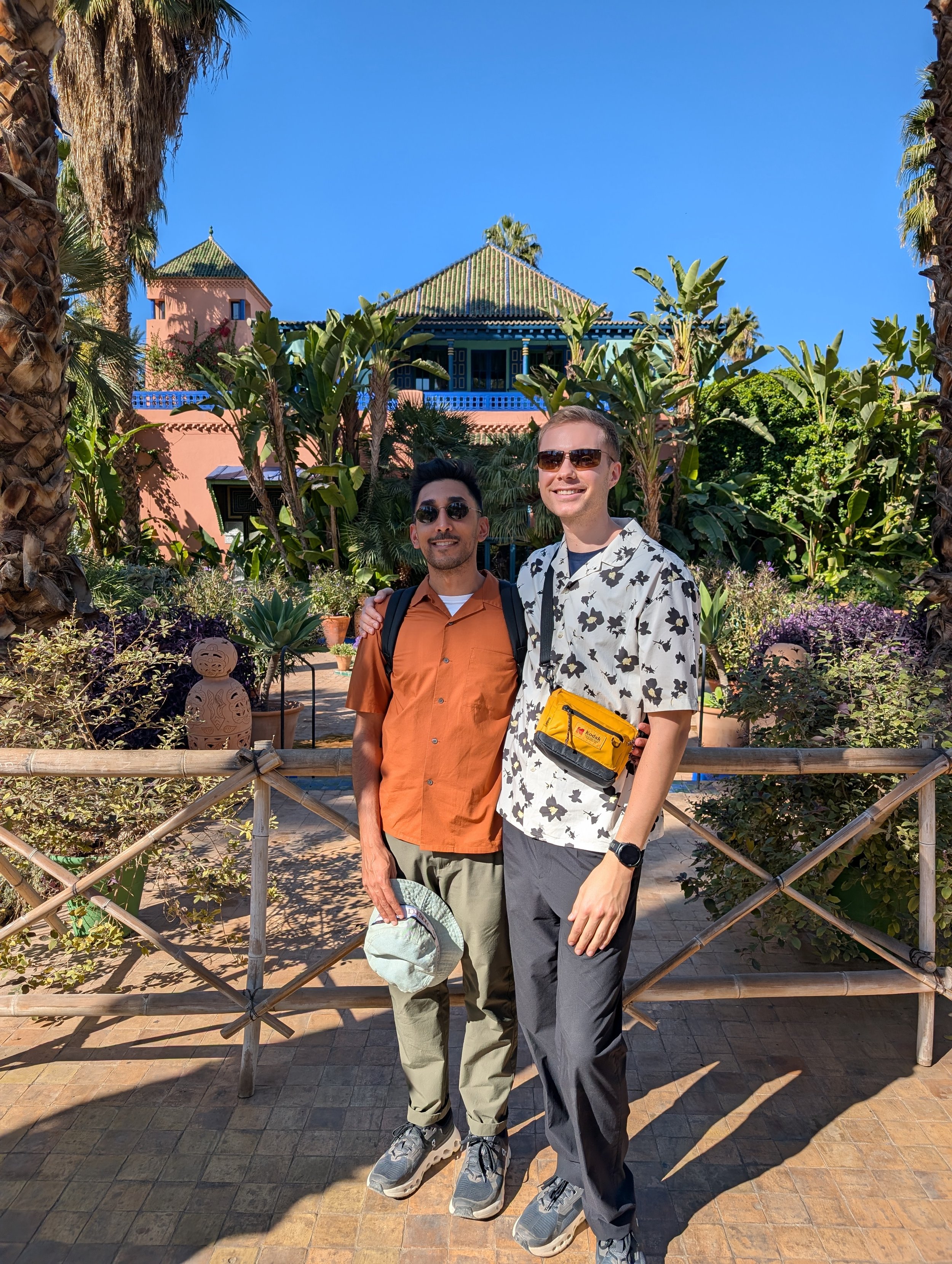
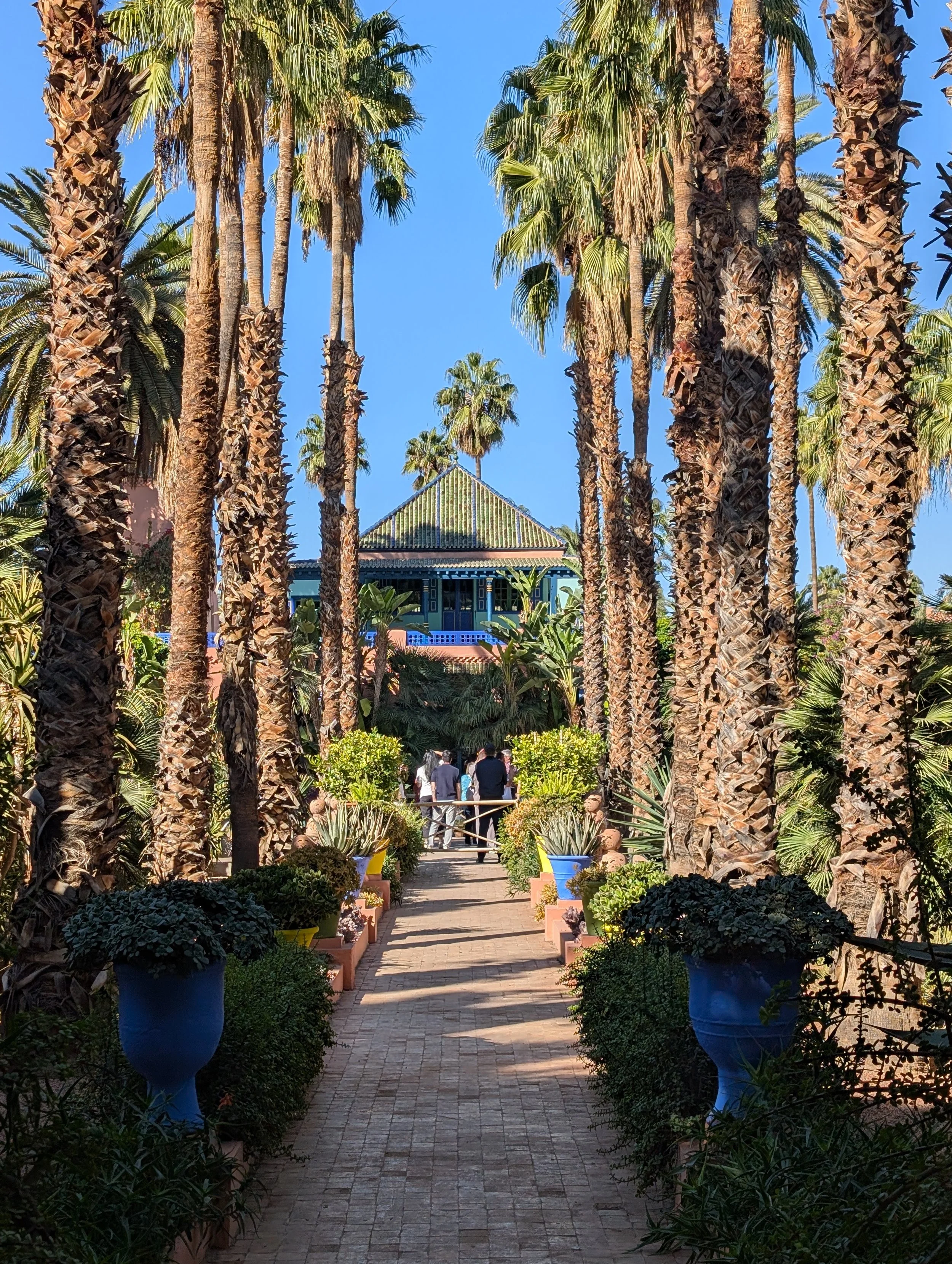
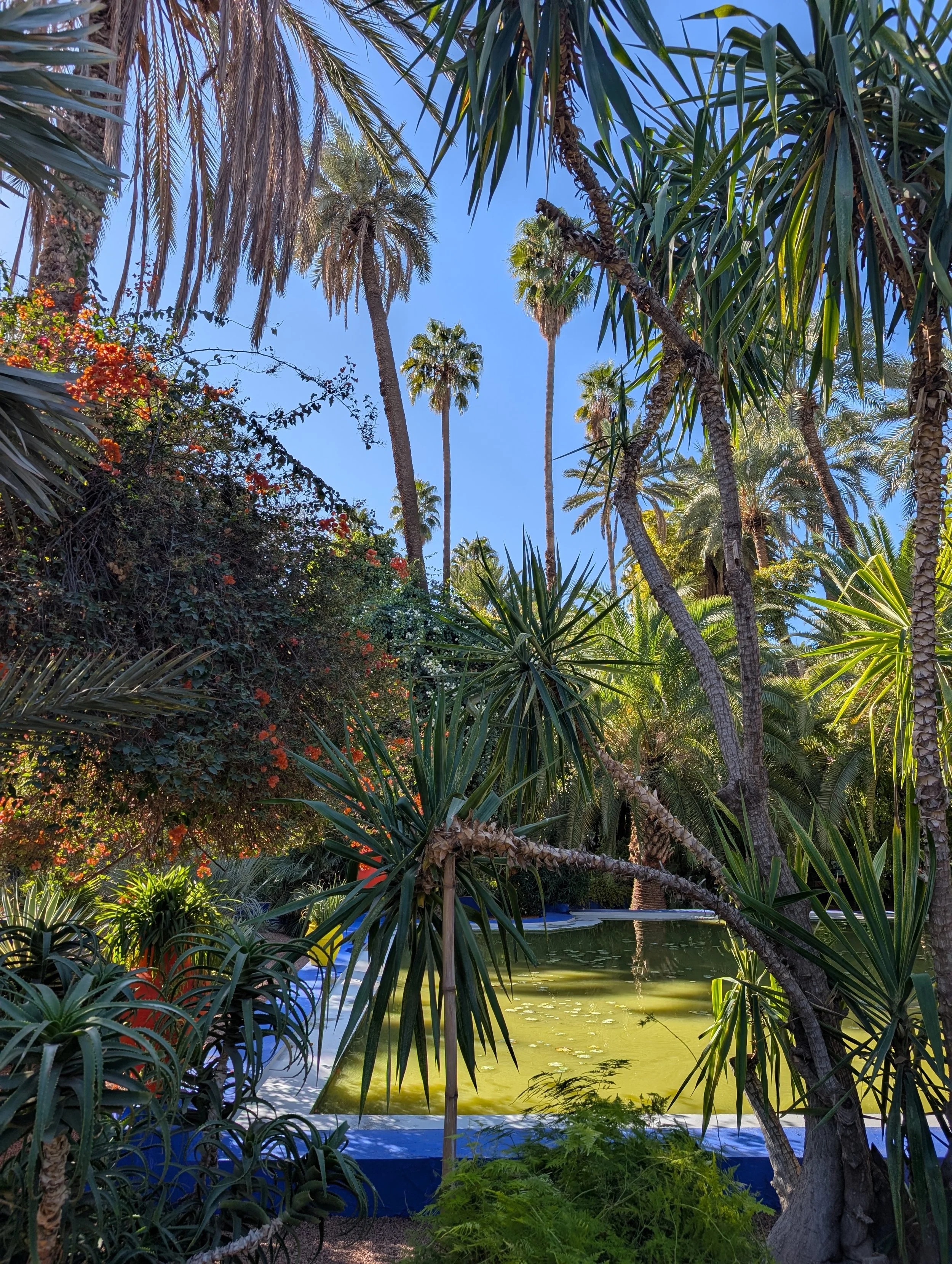
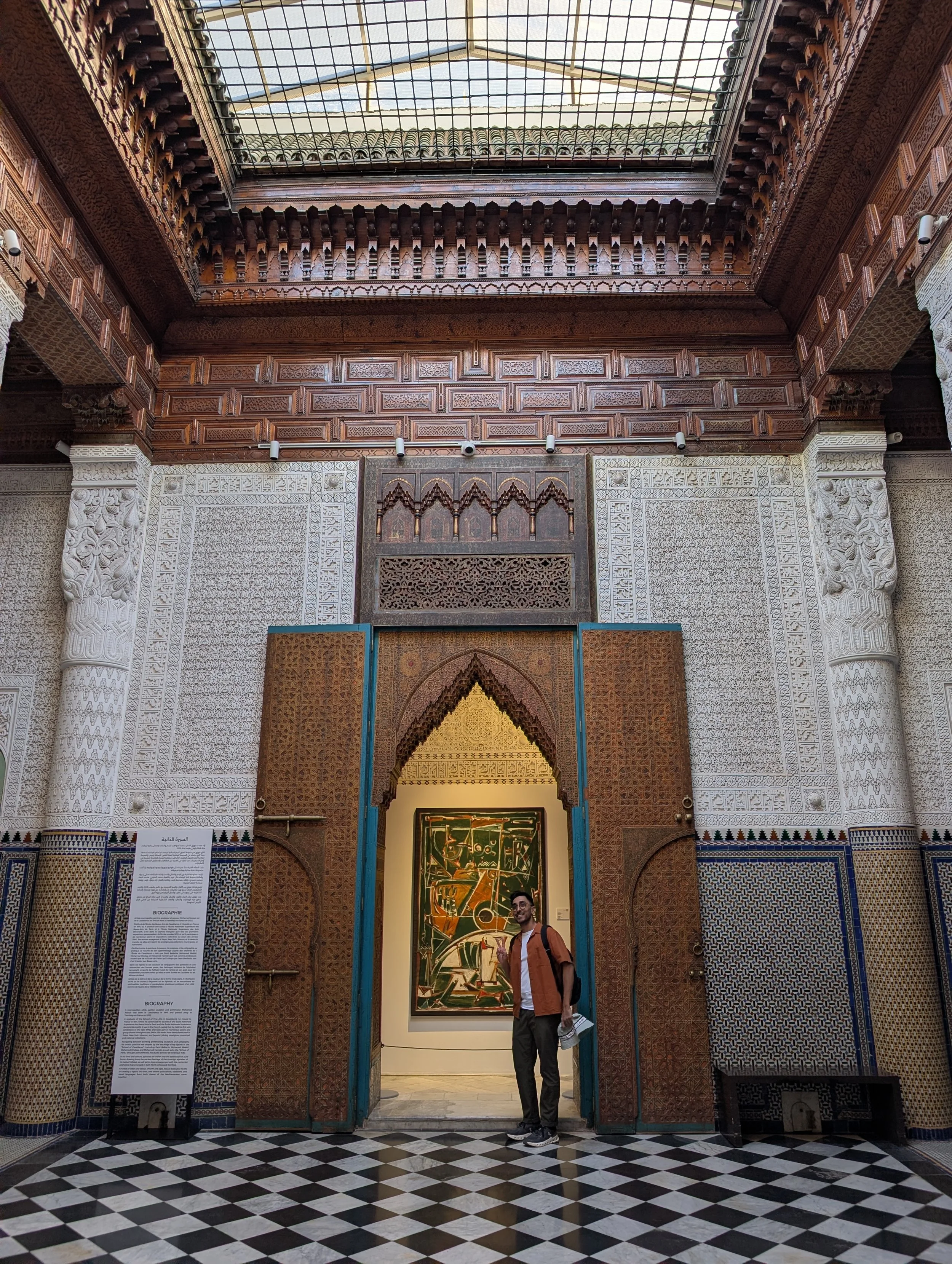
Later, the tranquil halls of Dar El Bacha offered another shift in mood — ornate, elegant, and beautifully preserved. Dar el Bacha, now the Musée des Confluences, is known for its stunning zellij tilework and its rotating exhibitions exploring Morocco’s cultural exchanges with the wider world.
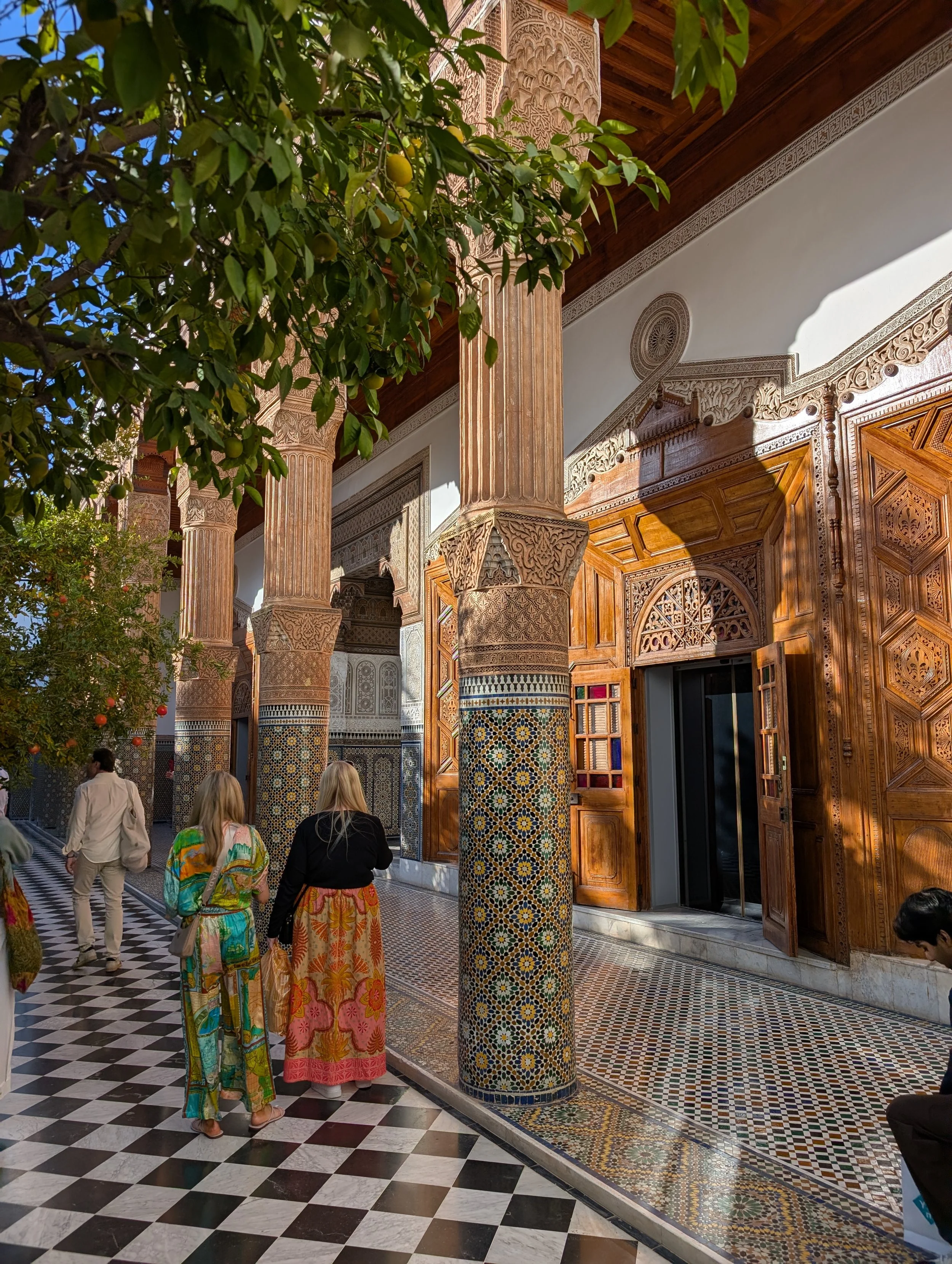
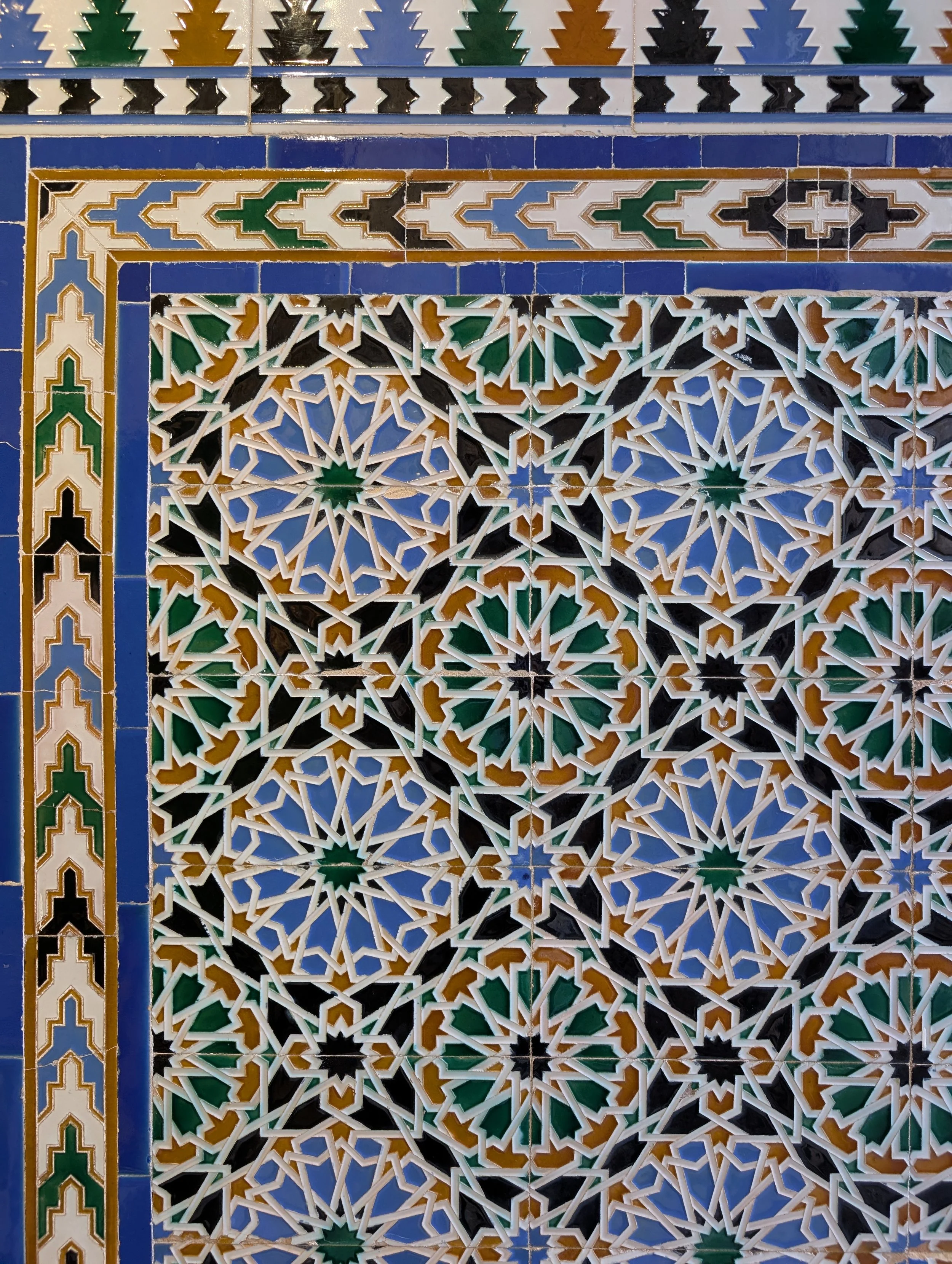
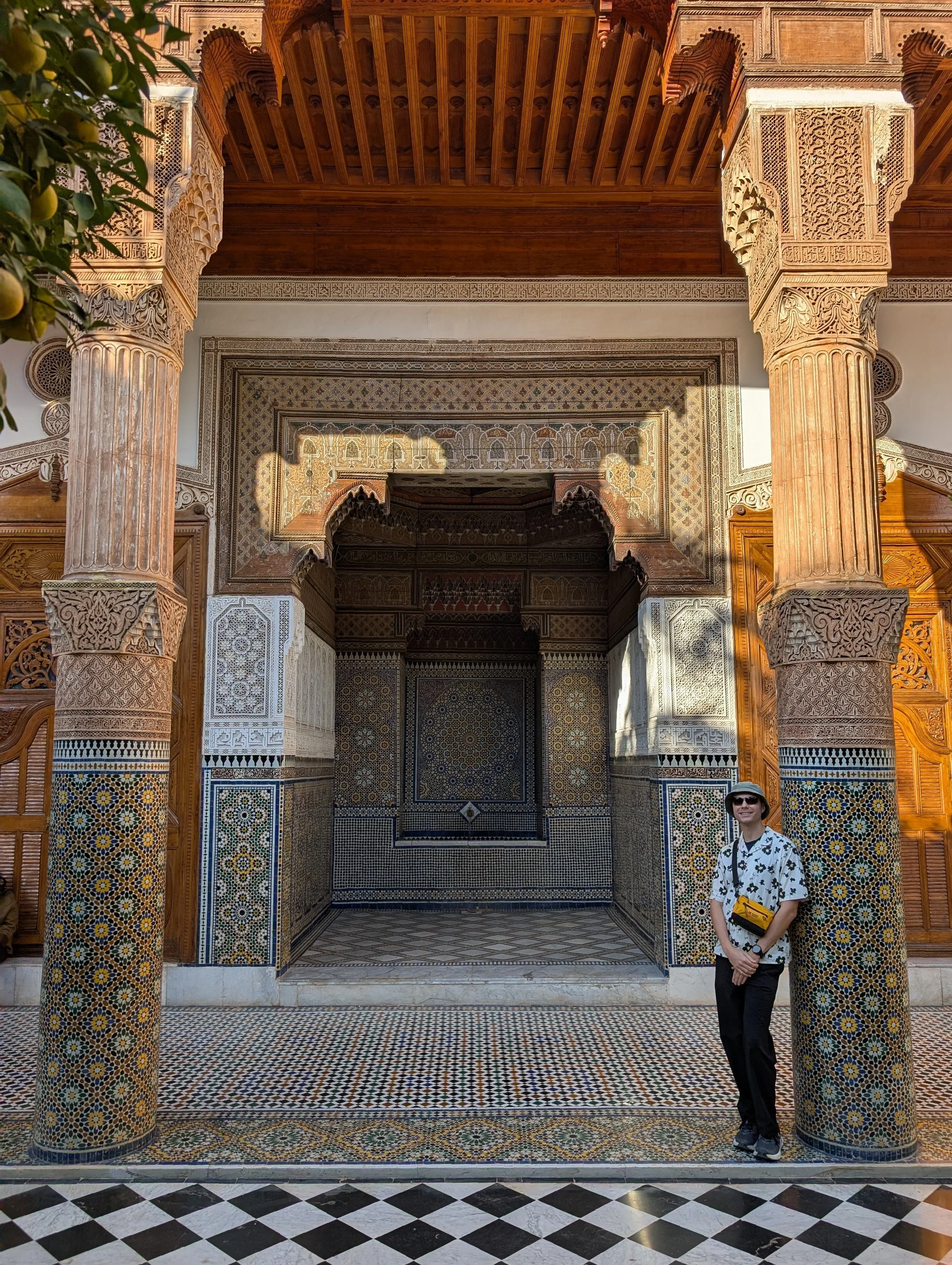
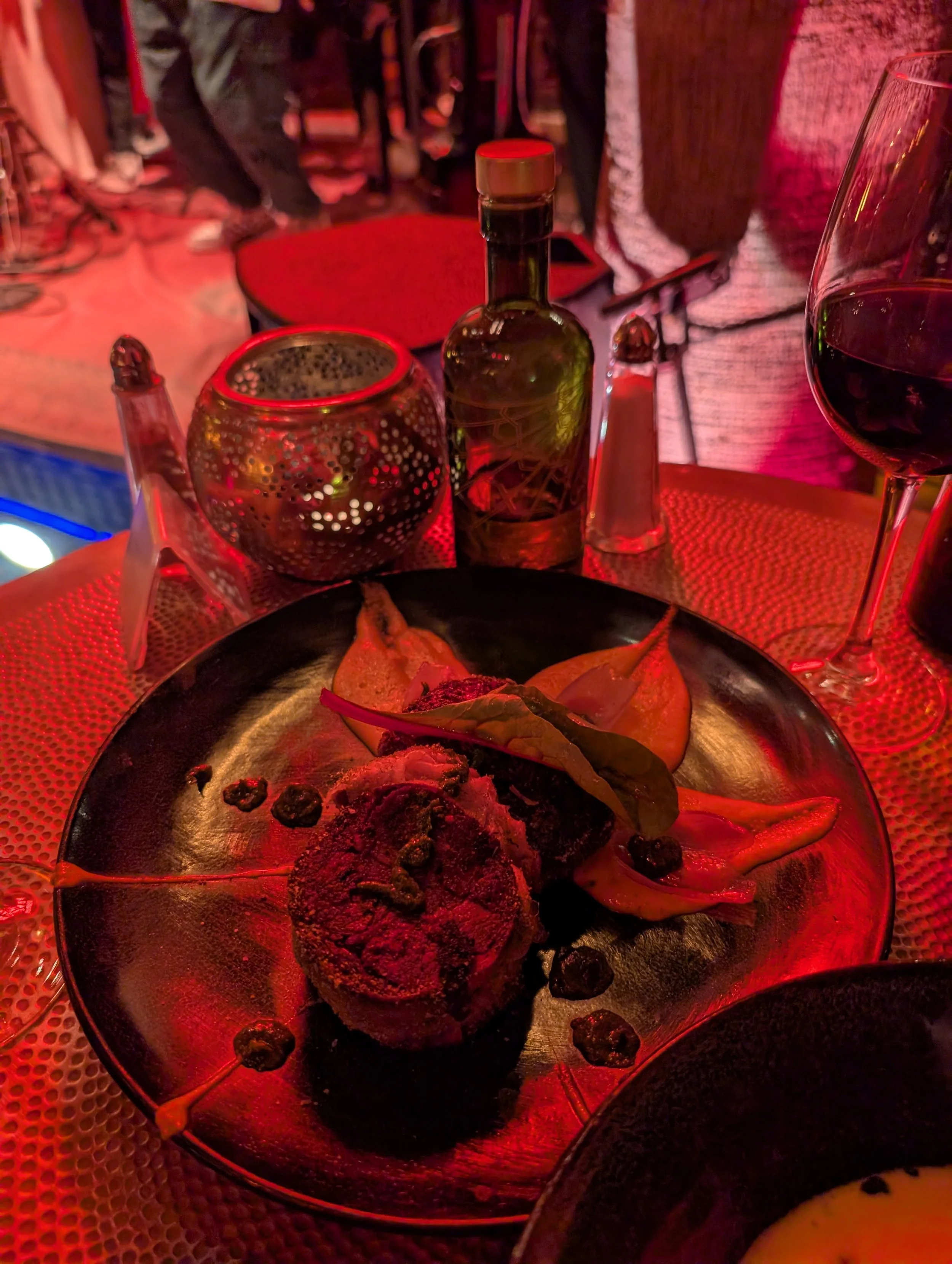
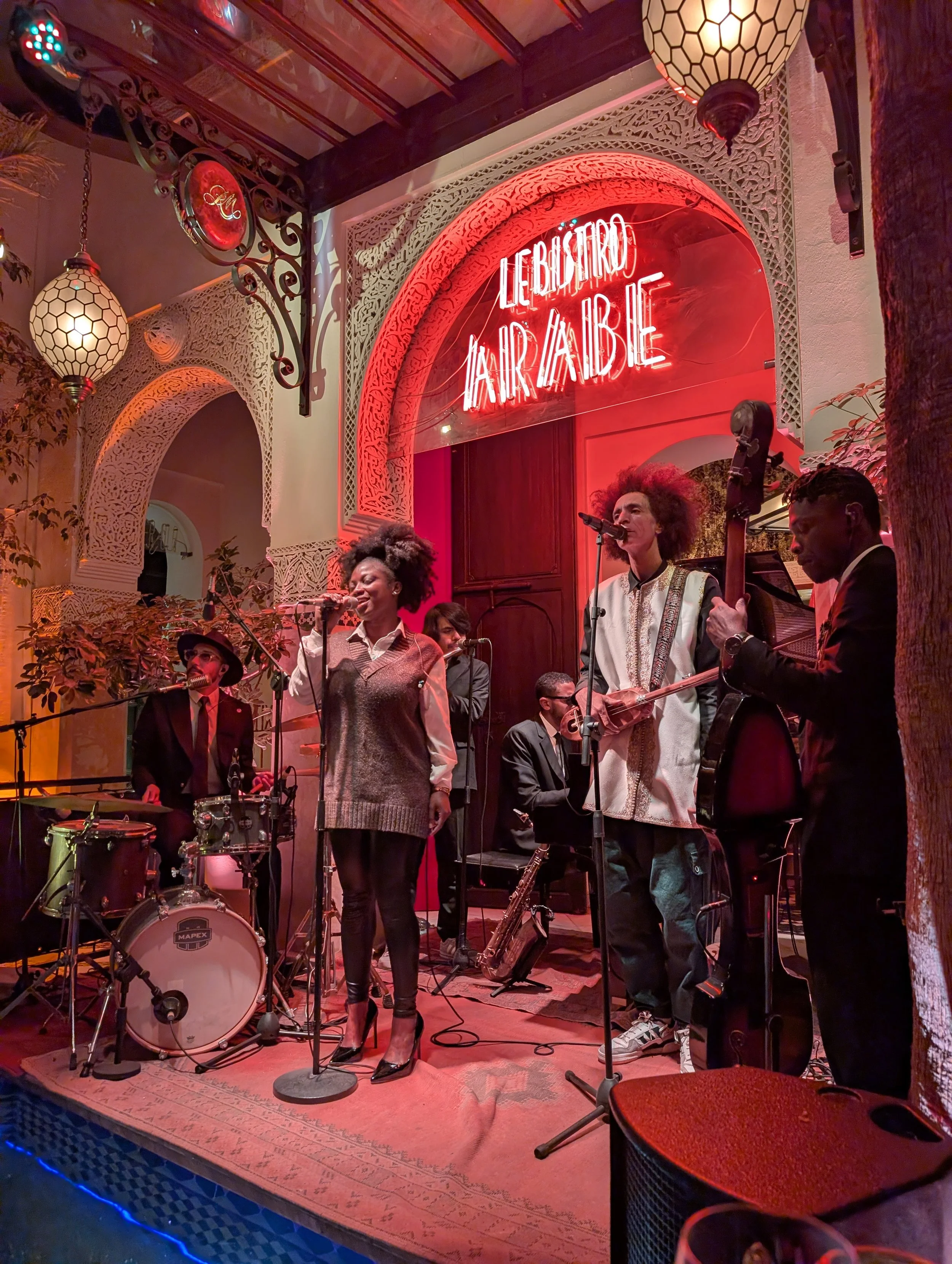
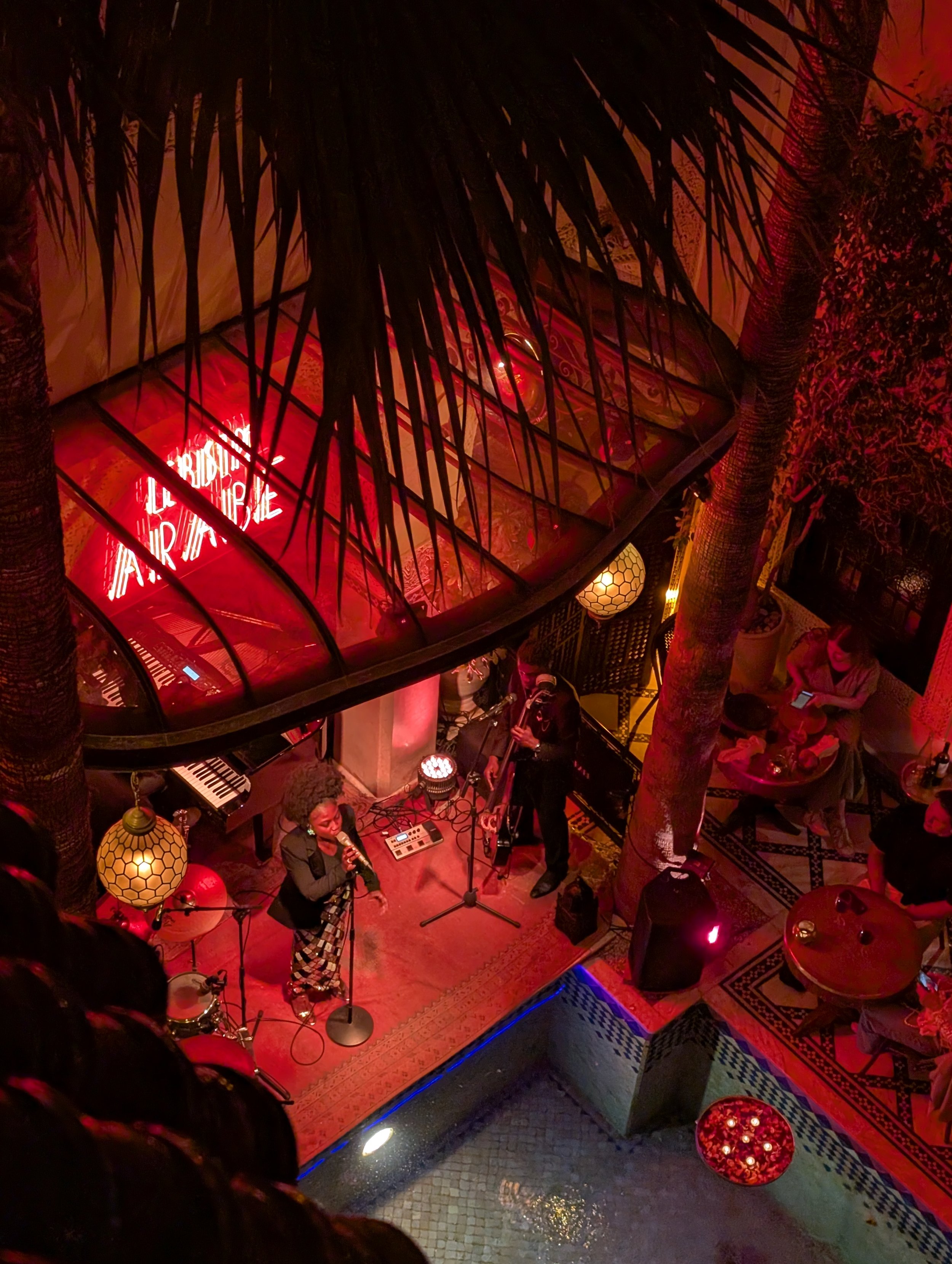
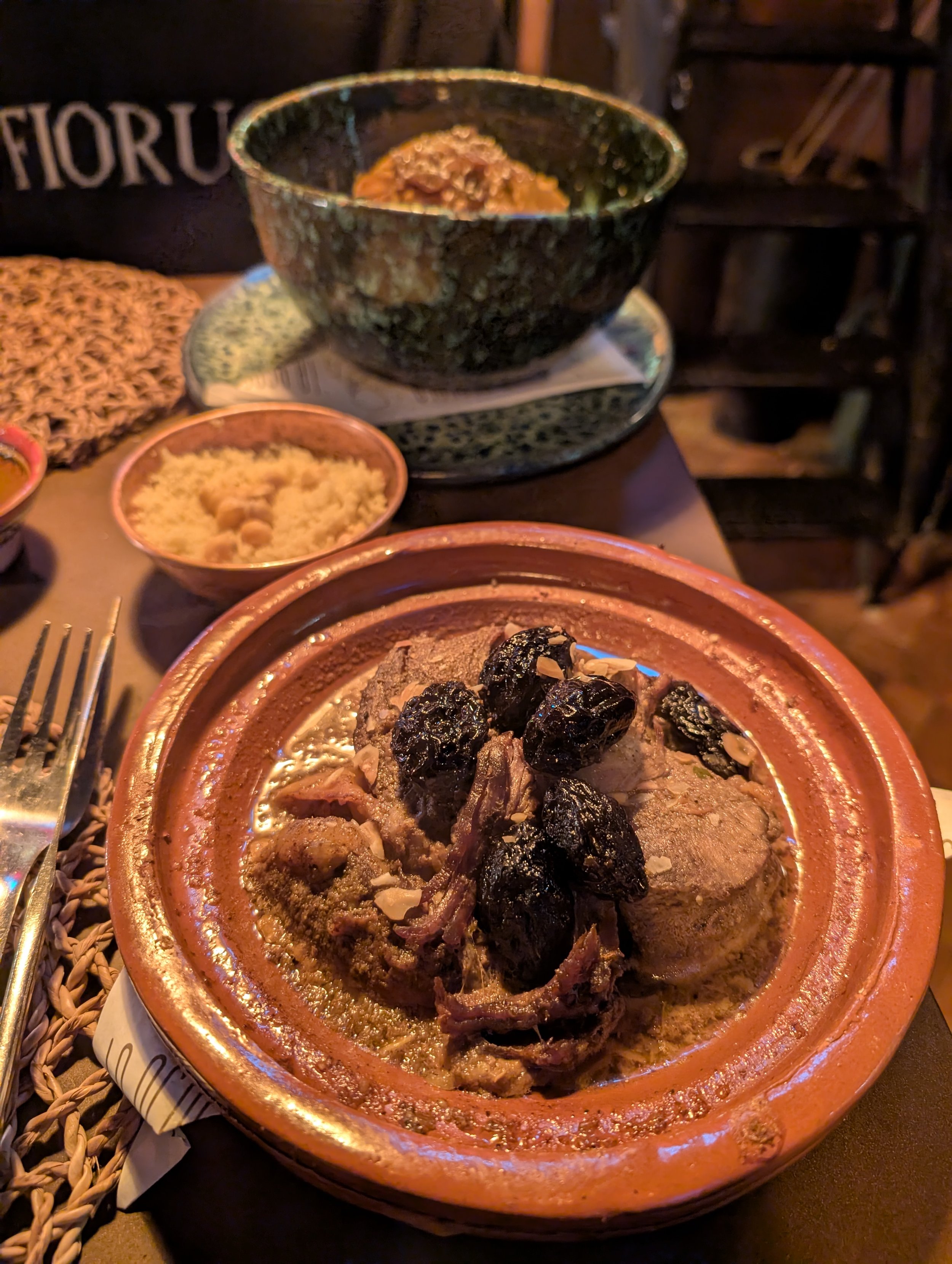
Dinner that evening was another standout: Le Bistro Arabe – Moroccan Jazz Restaurant. From the moment we were seated, the atmosphere felt special: soft lighting, live music, and attentive service. For starters, we had samossas de poulet au citron confit (chicken samosas) and espuma de pois chiches aux asperges vertes du bled (green asparagus soup), both beautifully executed. For mains, we chose the lotte des grands jours aux oignons caramélisés (monkfish) and ballotine de méchoui d’agneau à la chlorophylle de coriandre (lamb shoulder), each paired wonderfully with the house Moroccan red. It was refined but warm, elegant without being formal — one of the most memorable meals of our trip.
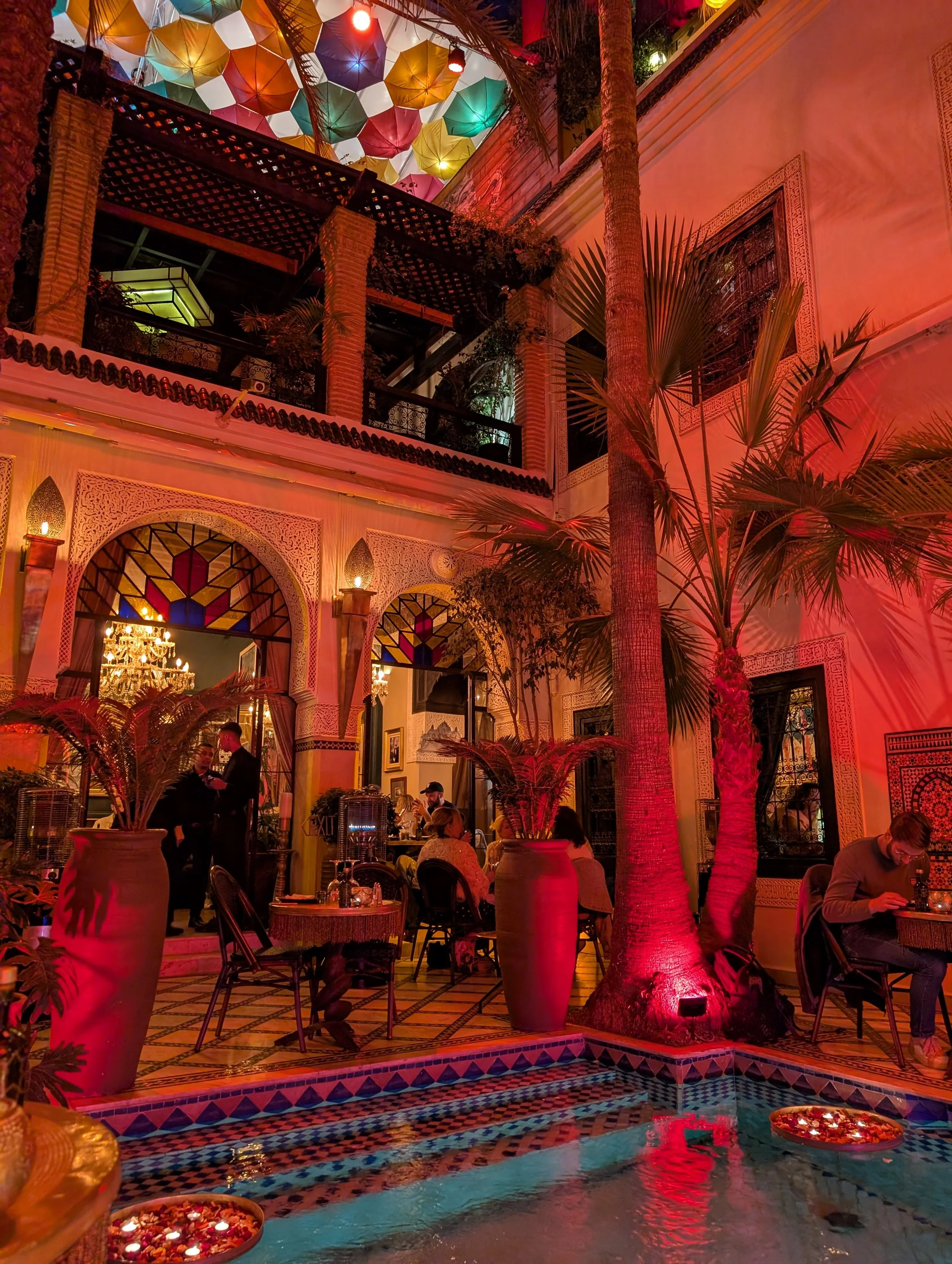

Day 4: In the Lush Arms of the Ourika Valley
The next morning, our focus shifted again — from the medina’s bustle to the green calm of the Ourika Valley, where we had booked another excursion through GetYourGuide.
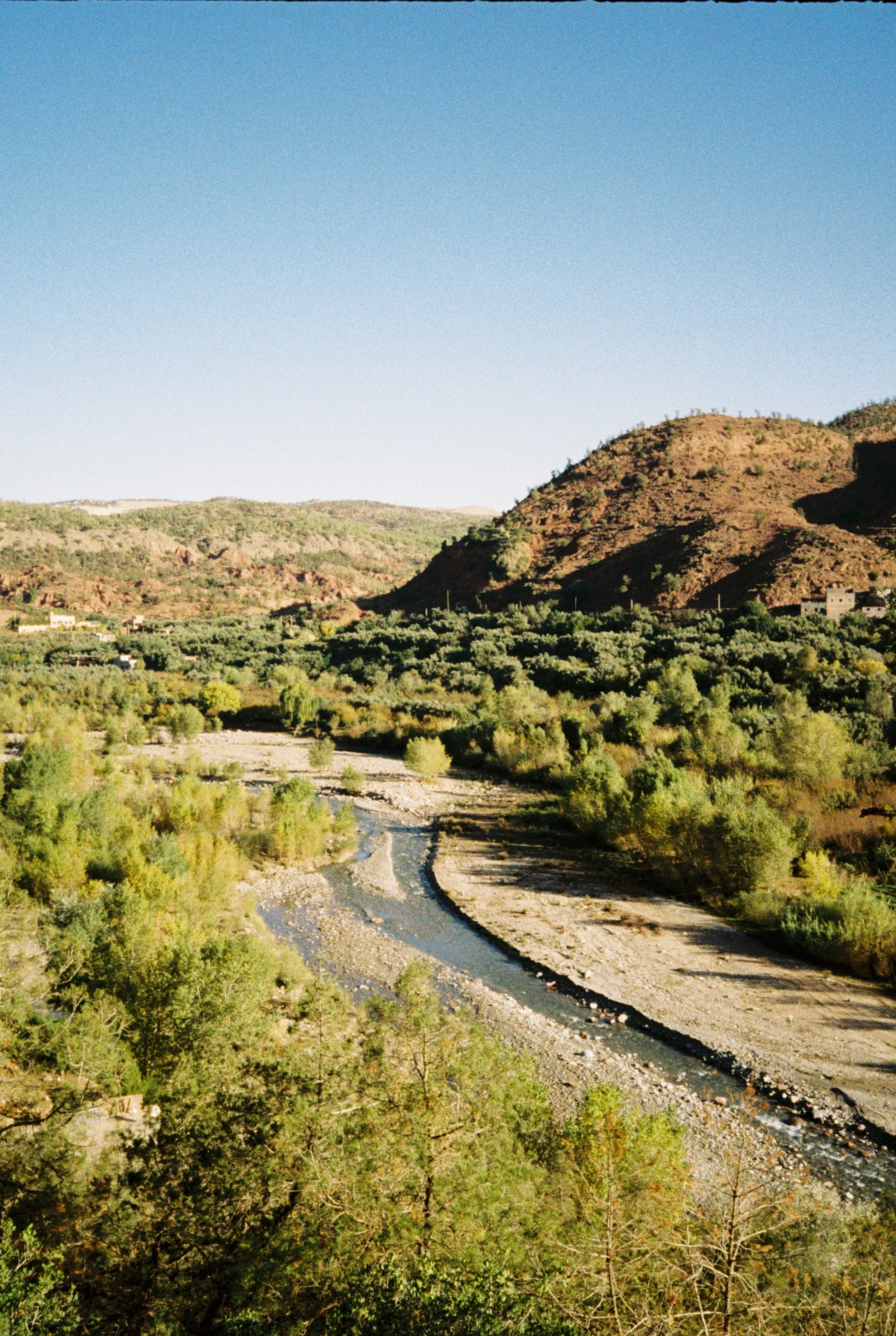
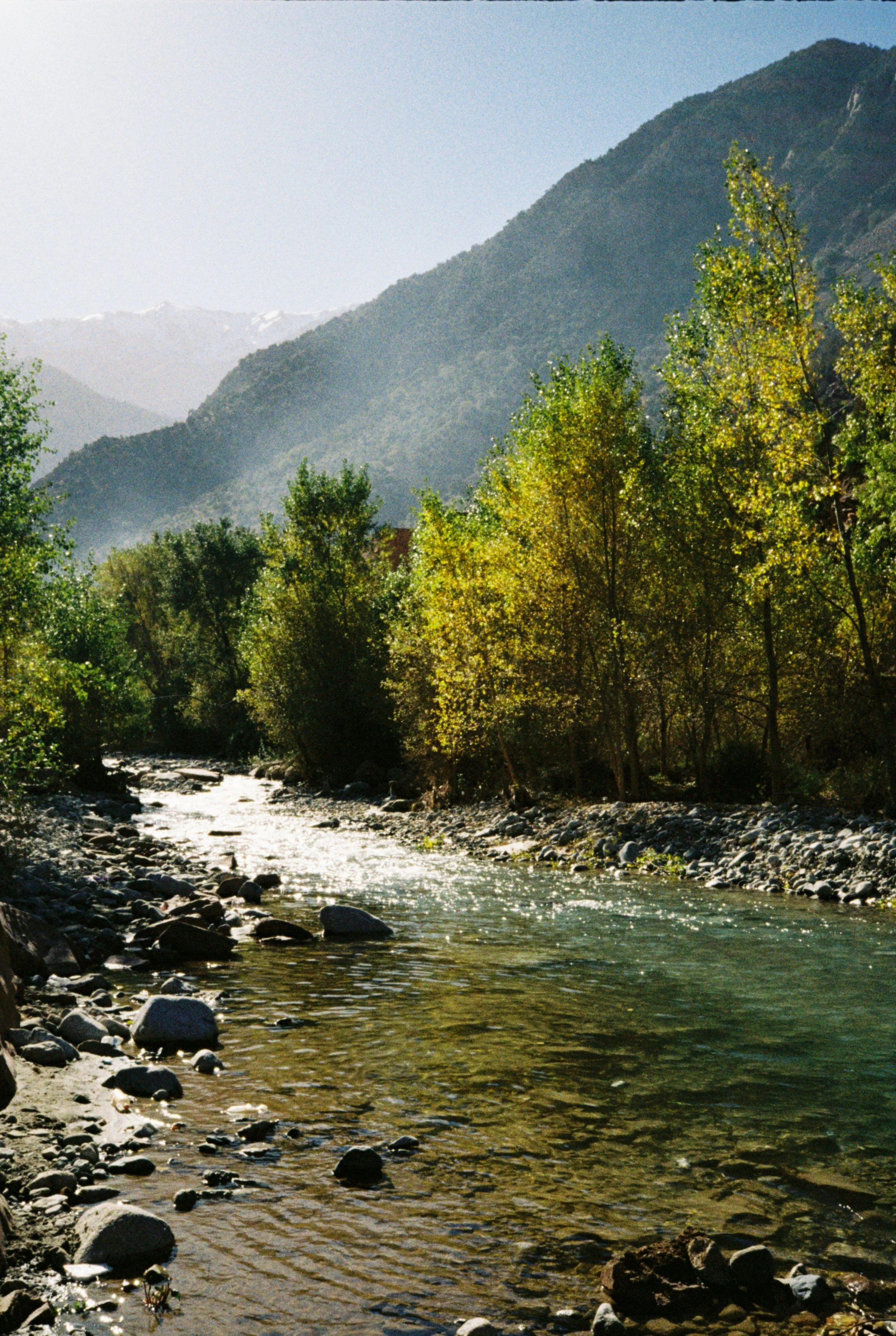
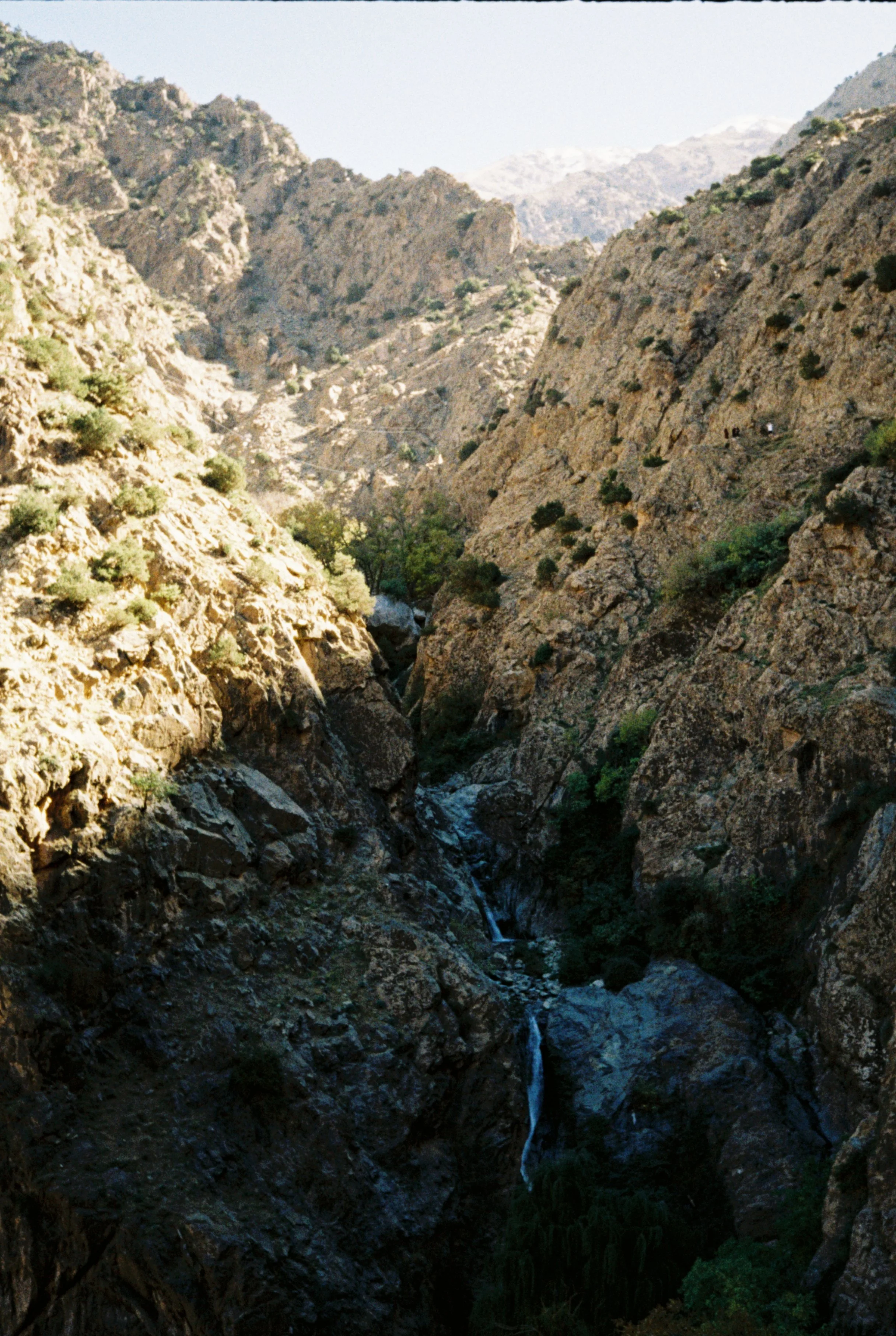
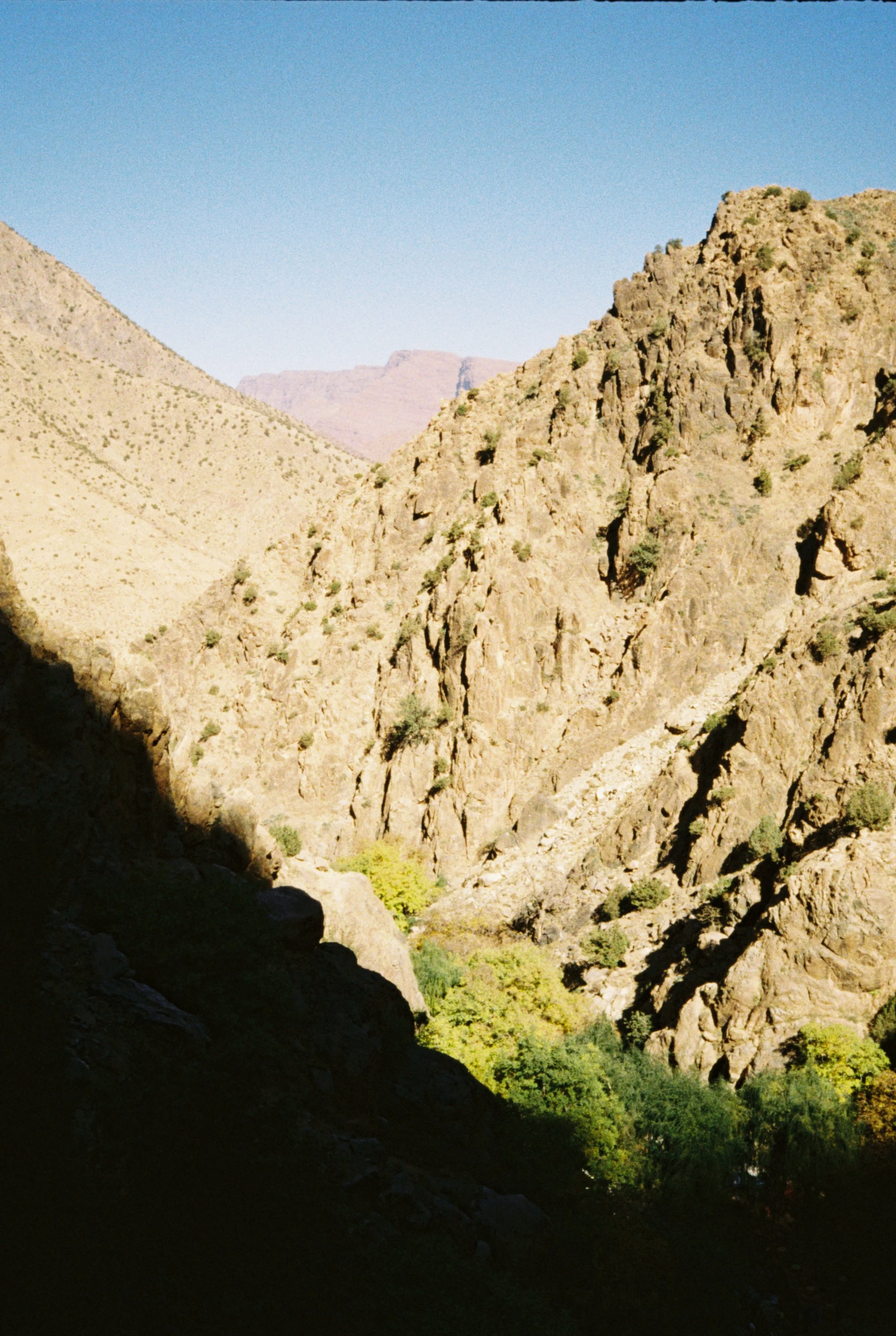
We left the riad at 8:45am and soon found ourselves in a world of Berber villages, argan cooperatives, and lush riverbanks. The hike to the waterfalls was scenic and refreshing, but the best moment came afterwards — walking back towards Sti Fadma village, where the mountains opened up in sweeping vistas under soft afternoon light.
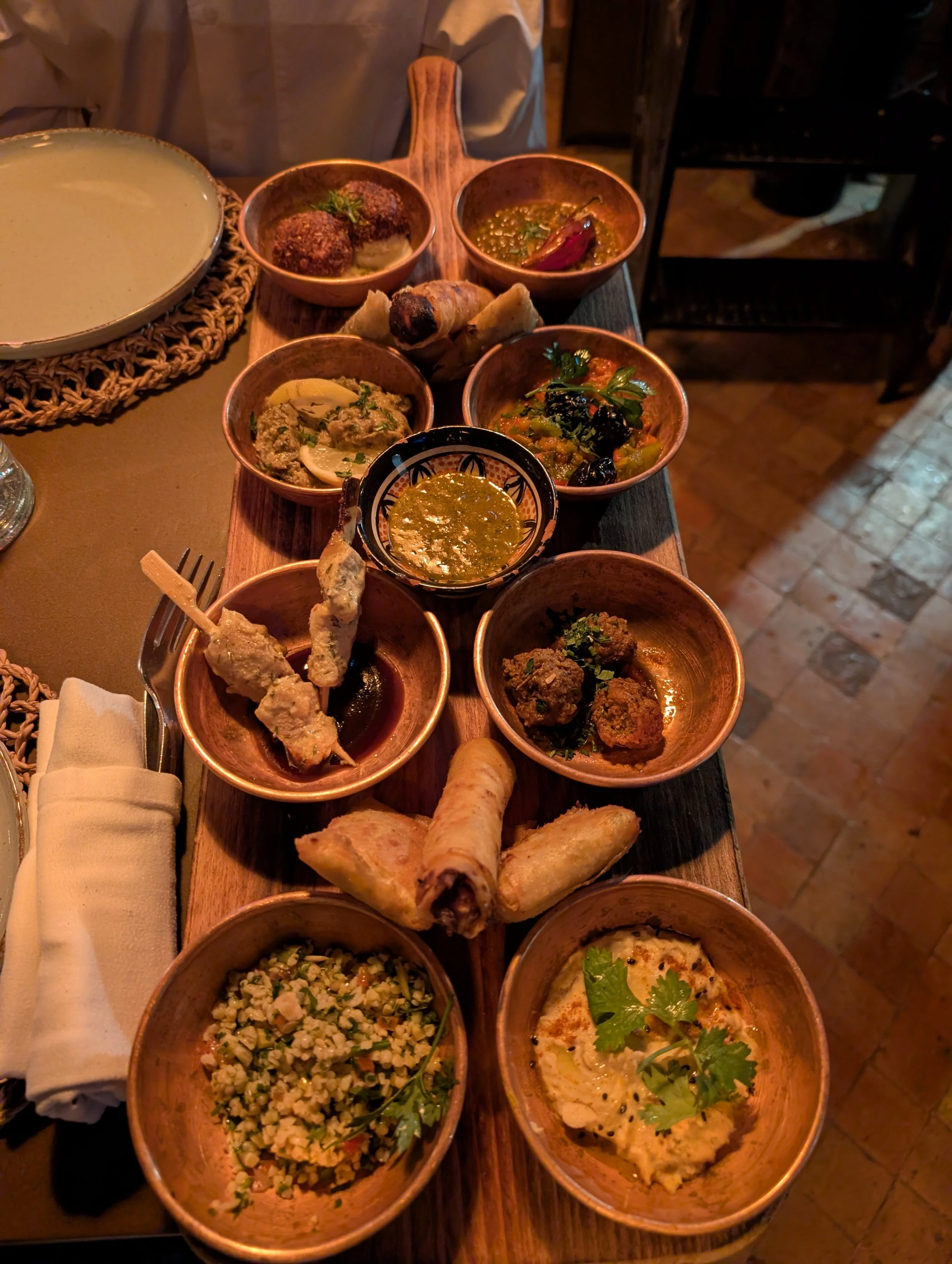
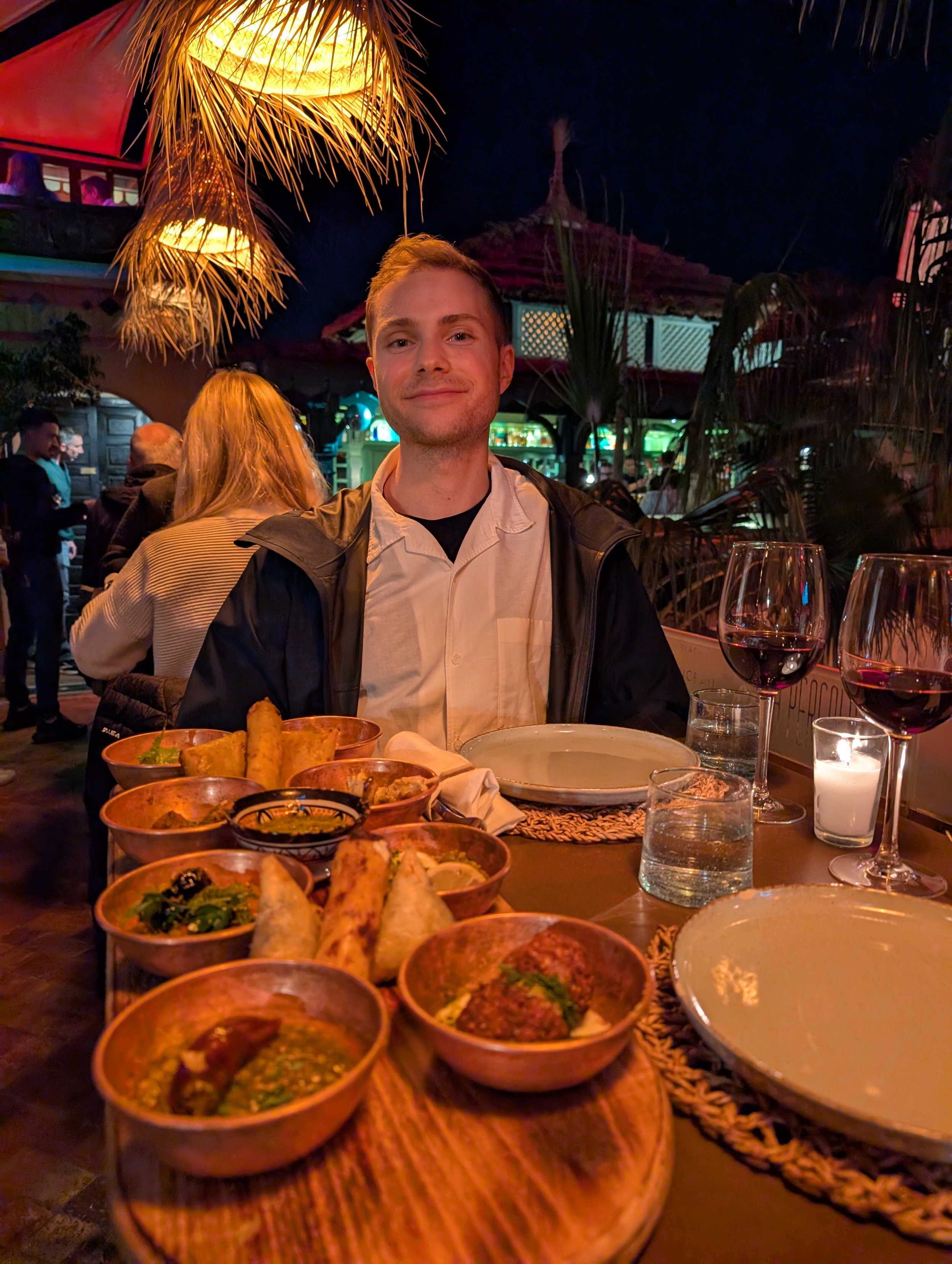
We returned to Marrakech in the late afternoon and headed to La Pergola for dinner. The food was good, though the service was noticeably slow — especially after the exceptional experience at its sister restaurant the night before. Still, the rooftop views and relaxed pace felt fitting after a long day outdoors.
Day 5: A Slow Farewell
Our final morning was unhurried. We packed, checked out, and returned — naturally — to 1112 Marrakech, where we indulged in a tasting of six different regional teas. It felt symbolic, somehow: a gentle closing chapter to the tea-thread that had quietly woven through our days in Morocco.
The rest of the morning was spent wandering the souks, picking up a few last-minute souvenirs and soaking in the medina’s colours one final time. For lunch, we chose Le Jardin Restaurant Marrakech Medina, a leafy hideaway serving Moroccan and Mediterranean dishes in a tranquil garden courtyard.
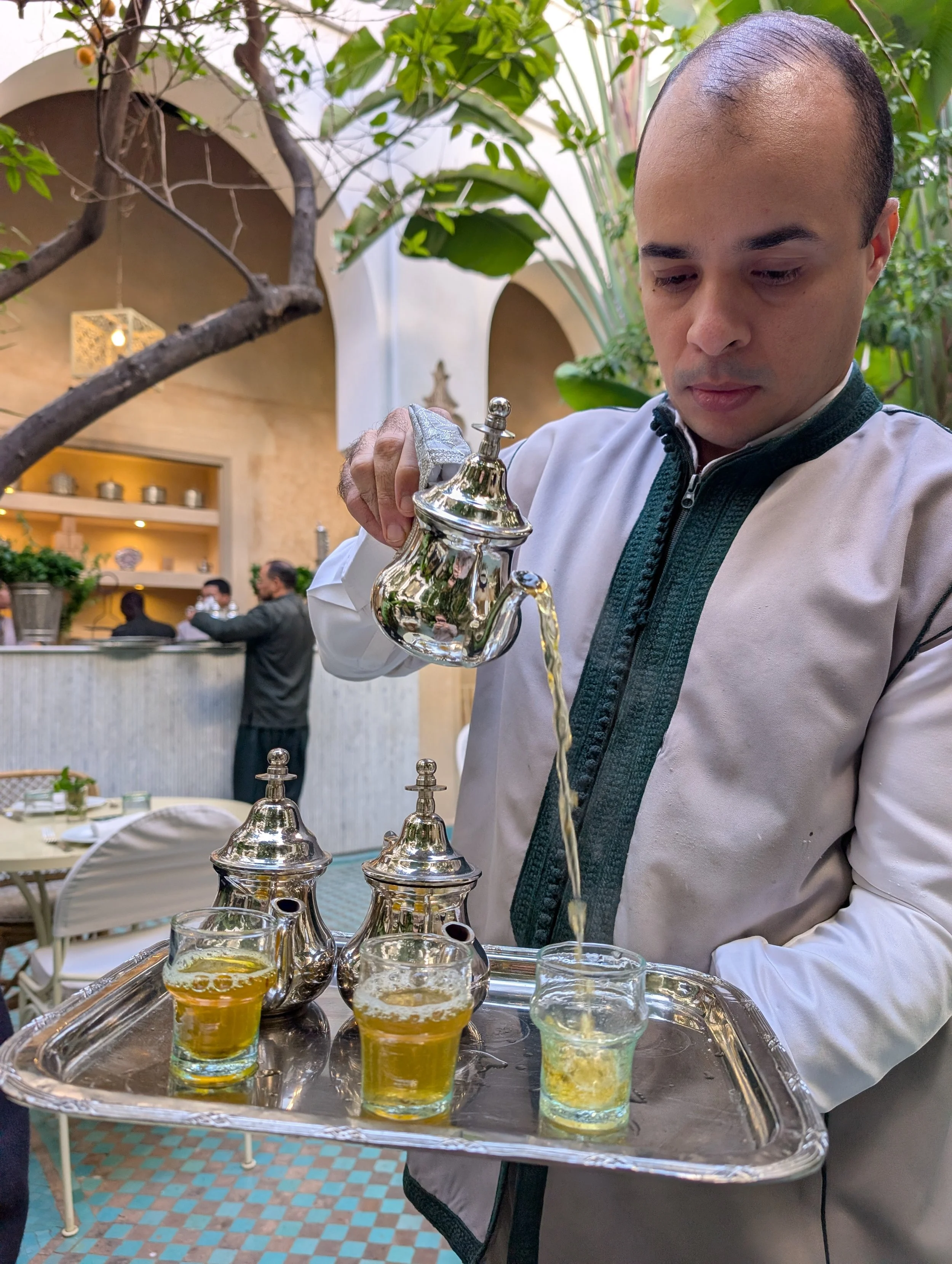
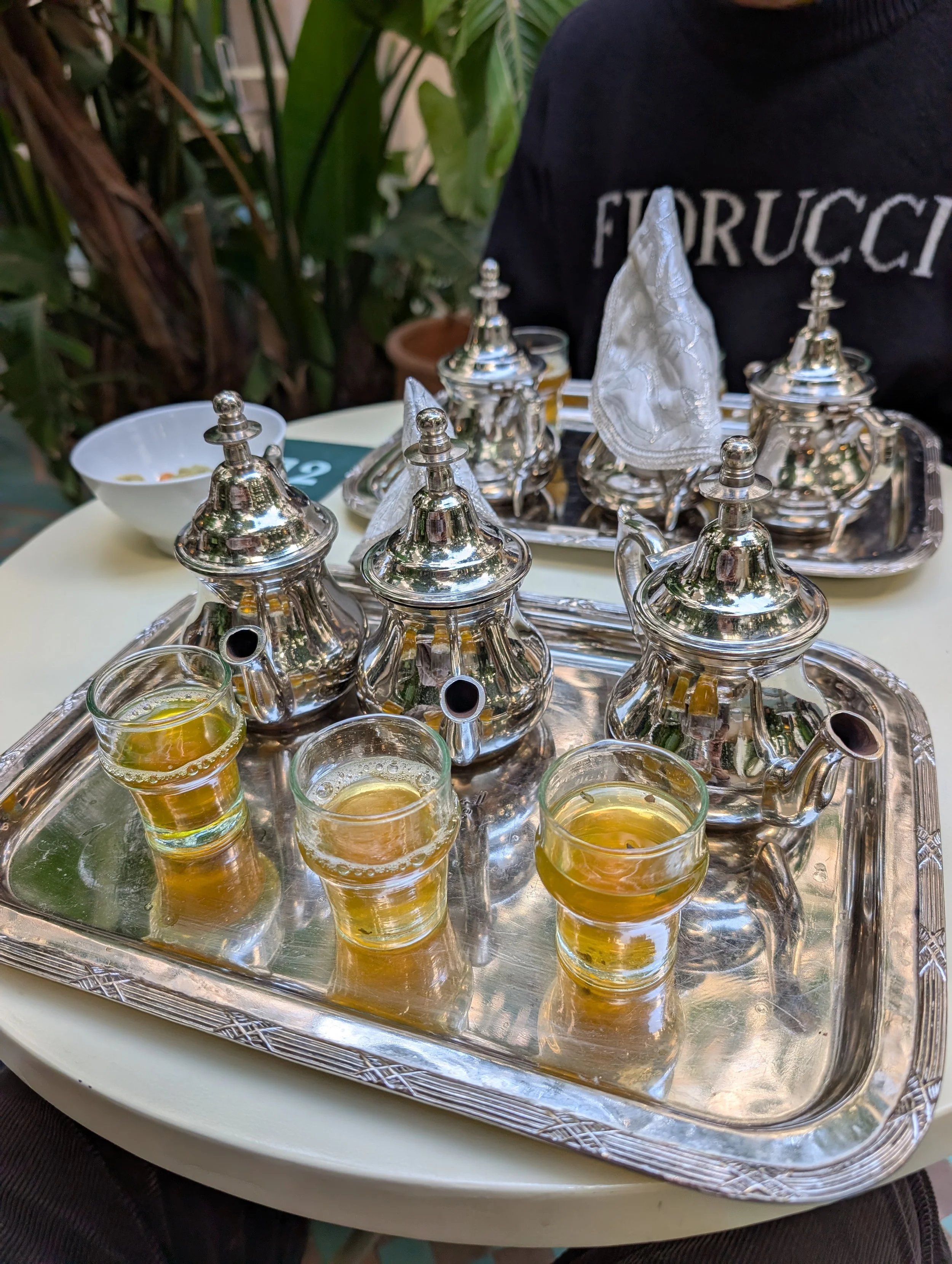
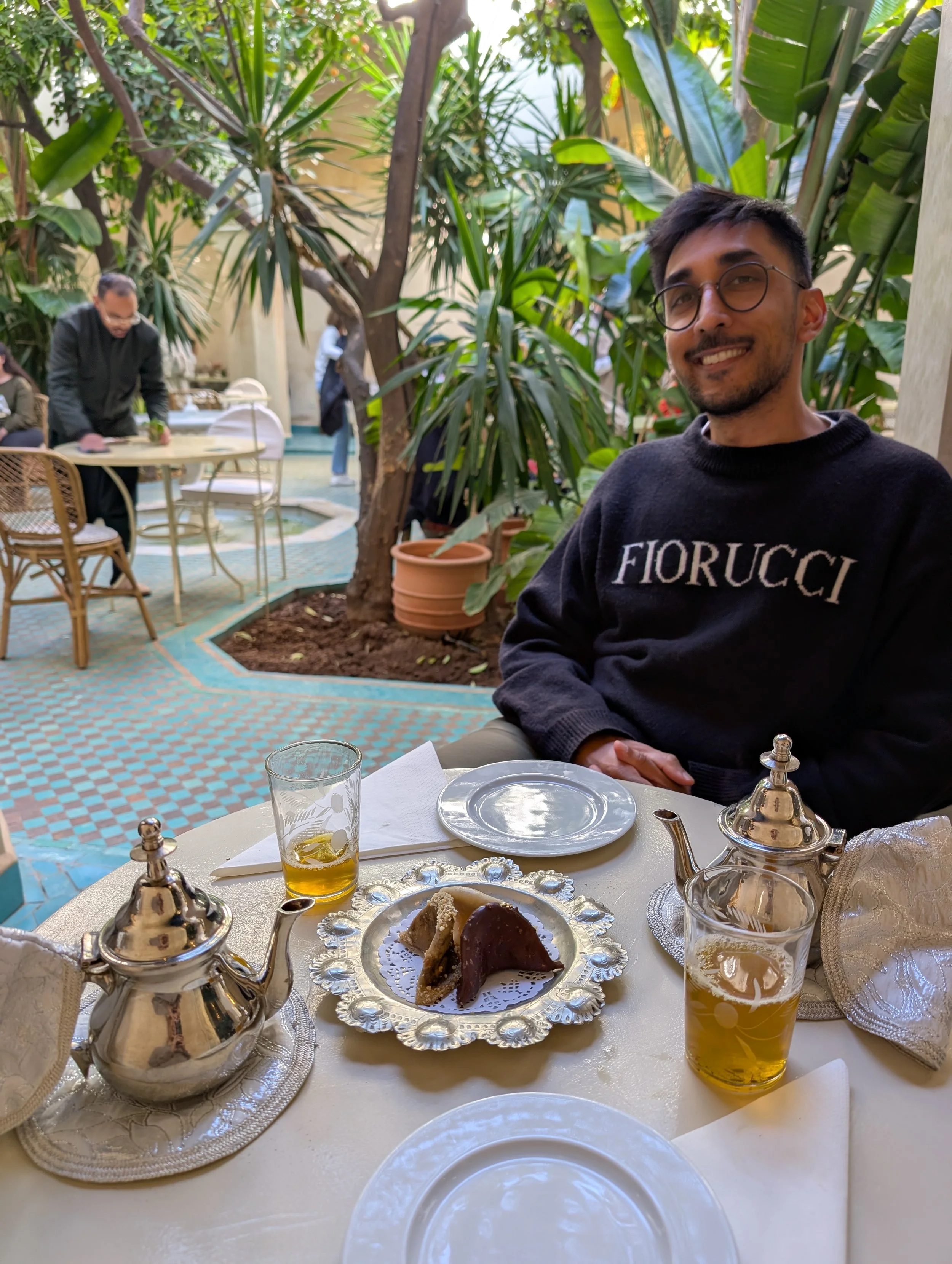
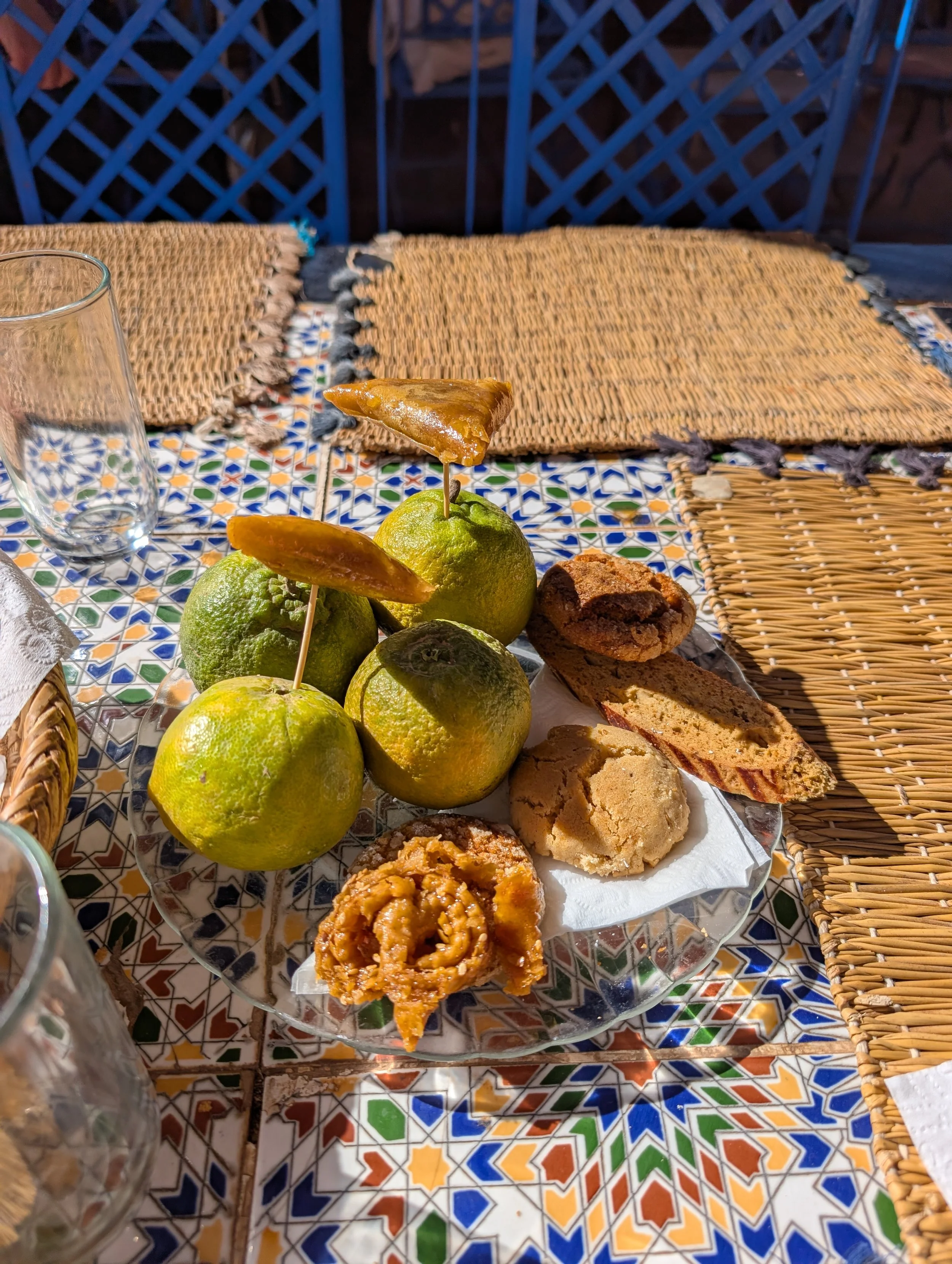
We ended our time with one last visit (yes, again) to 1112 Marrakech for tea and traditional Moroccan sweets — a last embrace of calm before the journey home. By 3pm, we were back at the riad to collect our luggage. Our airport transfer arrived at 3:45pm, and by 6:40pm our flight was lifting off above Marrakech’s terracotta rooftops.
Note: We had originally planned to explore the Saadian Tombs and El Badi Palace on our last day, but recent reviews mentioned extensive closures for restoration, so we decided to save them for next time.
Final Thoughts
Marrakech is a city of layers — vibrant, textured, and full of movement. It can be intense, but it also offers countless places to slow down: quiet riad courtyards, shaded teahouses, and mountain landscapes that stretch into stillness. What surprised us most was how natural it felt to navigate — a city that demands your attention but doesn’t overwhelm, so long as you give yourself time to step away when needed.
Between the medina’s ancient rhythm, the calm of its gardens, the warmth of Moroccan cuisine, and the vast beauty of the Atlas Mountains, these five days felt both grounding and expansive. And somewhere in between the bustle and the serenity, we found ourselves returning again and again to moments anchored by tea — fragrant, shared, and unhurried.
If you’re looking for an adventure that balances colour and calm, history and horizon, Marrakech might surprise you too.
